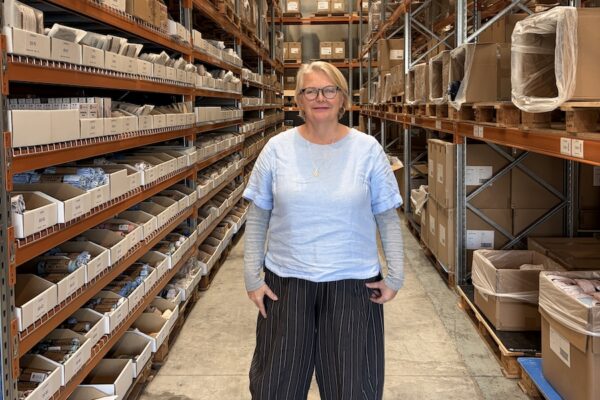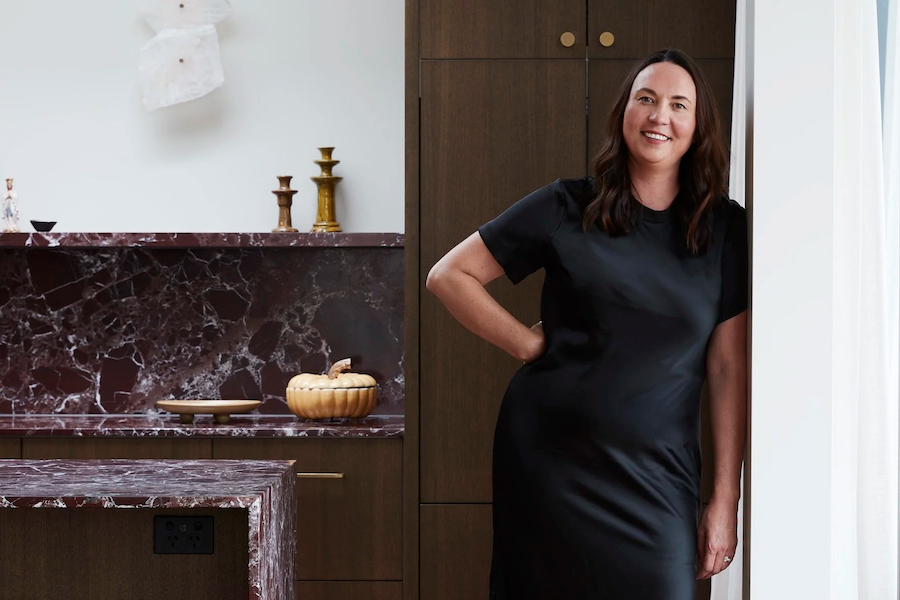



Pictured above: Ilse Wolfe.
What does it take to go from moving in with your in-laws to owning a $20 million property portfolio? For Ilse Wolfe, it wasn’t just about buying the right properties, it was about making the right mistakes.
“My husband was working five months of the year just to cover my mistakes,” Ilse told me during our Notes From The Executive Podcast interview. “We had to move out of our home. The bank was circling. I had no option but to make it work.”
That rock-bottom moment in her investing journey became the catalyst for everything that followed. Today, Ilse runs a thriving coaching business helping hundreds of Kiwis replicate her success. But the path there was anything but straightforward.
The $100,000 mistake that changed everything
Ilse Wolfe is the founder of Wolfe Property Coaching and has built a $20M+ residential property portfolio. She specialises in teaching investors to achieve financial freedom through systematic renovation and cash flow optimisation.
Ilse’s first renovation was a masterclass in what not to do. She installed double-glazed windows in a South Auckland weatherboard home in 2015. When the registered valuer arrived to sign off on the work, he laughed.
“He said, ‘Why do you have double glazed windows in Māngere? This is the only house with double glazing. No one asked for this,'” Ilse recalls. She had over-capitalised – poured money into upgrades that didn’t add value in that market.
The only reason she didn’t lose money was because she and her brother had worked as unpaid labour for 11 weeks straight, 7am to 7pm, through summer with no days off. “I couldn’t pay him cash, but I said I will pay you in equity one day,” she explains.
That experience taught her a crucial lesson: good intentions don’t equal good business. You need systems, frameworks, and most importantly, the ability to learn from painful mistakes fast.
It was former FBI hostage negotiator Chris Voss who helped Ilse reframe her failures. “He taught me to change my mentality to grow from mistakes,” she says. “Going from good to great comes from being uncomfortable and in pain.”
That philosophy became her north star. The near-bankruptcy wasn’t just a setback – it was data. Information. A forced education in what doesn’t work.
“It forced me to challenge how we invested,” Ilse explains. “The system had to change to cash flow, not capital growth.”
The BURR framework: Cash flow over capital growth
Ilse’s near-bankruptcy forced her to challenge conventional wisdom. Most property investors in New Zealand focus on capital growth – buying in “hot” postcodes and hoping values rise. Ilse took a different approach.
“Capital gains does not pay the bills. Rents do,” she says. “This is my driver in business and for clients’ success now.”
She developed what she calls the BURR framework: Buy, Renovate, Rent, Refinance, Repeat. The key innovation? Adding internal bedrooms to increase rental yield while simultaneously building equity.
“If you buy a three-bedroom house but you buy the one you’re able to convert into a four-bedroom, you then receive rent according to the four-bedroom, and it’s now worth the value of a four-bedroom,” she explains.
This strategy allowed her to generate positive cash flow from day one, rather than gambling on market appreciation. It’s a lesson that translates beyond property: revenue today beats valuation tomorrow.
By 2020, Ilse had built her portfolio to $20 million. She also had business partners in her coaching venture. But she could see an opportunity they couldn’t – a second service tier for experienced investors ready to scale up.
Her partners said no. One partner told her: “One service, just go hard on 1-1-1.”
Ilse disagreed. She bought them out in 2023, despite it being “one of the biggest but scariest decisions I’ve ever made.” Within two years, that second service became 50 per cent of her business.
“Had I not bought the guys out, we would be, I guess, half the business, if not less,” she reflects.
The lesson? Sometimes the scariest decisions unlock the biggest growth. And sometimes you need to trust your gut over consensus.
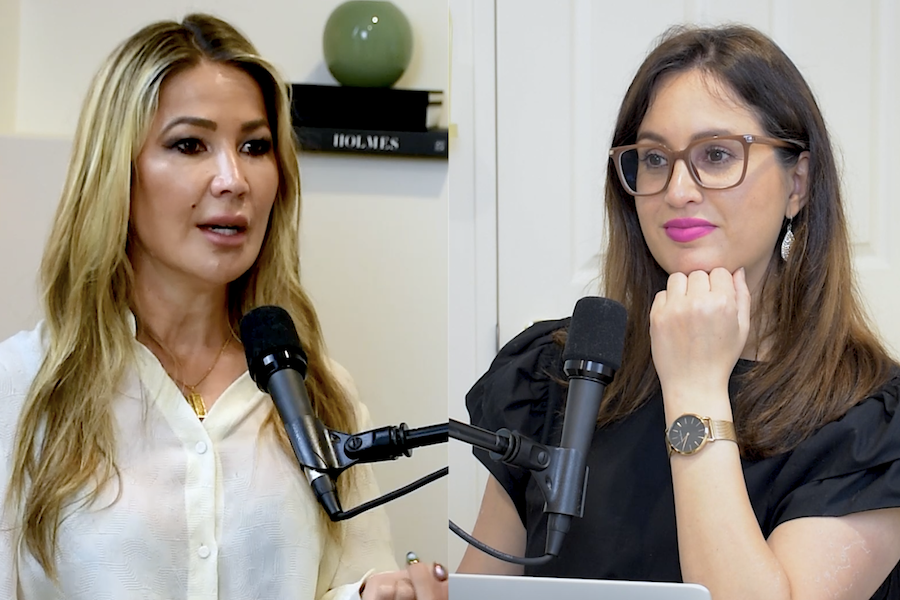
Ilse Wolfe (left) and Notes From The Executive Podcast host Mina Amso.
The $2 million property and the bribe that saved it
Not all of Ilse’s risks paid off smoothly. On a $2 million block of units, she broke her own rule: never depend on third parties for critical decisions.
She spotted an opportunity to add another unit, requiring council consent. What should have taken six weeks took 10 months. The council kept changing their minds. Costs ballooned from $100,000 to $140,000.
“I ran the calculation on the lost rent per week for that extra six months,” she says. The solution? She contacted the only manufacturer in New Zealand who made the specific fire-rated door she needed – with a six-month waitlist.
“I asked if I could pay them three times the cost of the door to have it done in one week. They said yes.”
The door arrived within two weeks. She got her consent. The lesson stuck: when you can’t control external factors, have contingency capital and alternative pathways ready.
What success actually looks like
Today, Ilse’s rental income exceeds what she and her husband earned in corporate jobs combined. But she measures success differently now.
“Re-fixing rates down could pay for a critical operation for a family member when the public system couldn’t deliver,” she says. “It means I can help a relative replace their car. Keep a roof over a friend’s head.”
She keeps 12 months of reserves in the bank. Always. “I take risks, I enjoy life a little, but only with at least a year of funds in the account,” she explains.
For Ilse, the real lesson isn’t about property at all. It’s about treating everything like a business – building teams, leveraging ruthlessly, creating systems, measuring relentlessly.
“Your biggest mistake might be the best thing that ever happened,” she says. “If you refuse to let it be the end of your story.”
Four business lessons from building to $20M
Ilse has distilled her journey into four frameworks that apply whether you’re building a property portfolio, scaling a tech startup, or growing a service business:
- Choose your lane and stick to it. Ilse realised early she couldn’t be the best property manager, builder, and investor simultaneously. “I needed to know enough to call someone out if they quoted me twice the price. That’s what I need to know,” she says. Everything else? Outsource it.
- Shed lazy assets ruthlessly. Ilse sold two properties at six-figure losses because she calculated that holding them would cost more over five years. “The losses hurt, but the alternative hurt more: years of delayed goals.”
- Maximise control. Build systems that minimise dependence on external factors. When you must depend on council approvals, suppliers, or market conditions, have backup plans and extra cash.
- Empower your team to scale you. Ilse brought her husband onto the team for his analytical skills. She hired an operations manager with no property experience but gave her opportunities to learn. “When you find the right people and you allow them to flourish, they help you flourish.”