



Small business sales in New Zealand climbed to a three-year high at the end of 2025, delivering a welcome boost to operators heading into the new year, according to the latest data from Xero.
The company’s latest Xero Small Business Insights (XSBI) report shows sales across 144,000 Kiwi small businesses rose 4.8 percent year-on-year in the December quarter, building on a 2.8 percent increase in the September quarter. In December alone, sales were up 9.8 percent year-on-year, well above the long-term average of 6.2 percent.
Bridget Snelling, Country Manager – Aotearoa New Zealand at Xero, says the result signals encouraging momentum.
“This is the clearest evidence we’ve seen in several years that momentum is starting to return,” says Snelling.
“Sales growth in the December quarter was the best result in three years, and the strong finish to 2025 suggests confidence is slowly rebuilding among small business owners.”
Snelling says the improvement is likely being supported by interest rate reductions from the Reserve Bank of New Zealand, which began easing policy in mid-2024.
“Lower borrowing costs are starting to flow through the economy,” says Snelling.
“That’s easing pressure on households and businesses alike, and thankfully we’re starting to see those changes show up in small business sales.”
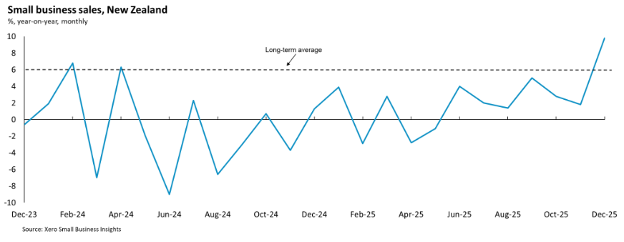
New Zealand small businesses slightly outperformed Australia in December, with sales growth of 9.8 percent compared to 9.6 percent across the Tasman.
While overall results improved, performance varied significantly across industries.
Professional services led the way, with sales up 8.6 percent year-on-year in the December quarter, driven by a near-record 18.5 percent surge in December. Real estate and manufacturing also recorded solid quarterly growth, up 6.5 percent and 5.2 percent respectively.
Retail trade rose 4.5 percent year-on-year for the quarter, continuing its steady improvement from the September quarter’s 3.9 percent increase. However, hospitality remained subdued, with sales up just 0.5 percent year-on-year, similar to the previous quarter.
“Not every sector is feeling the recovery at the same pace. Professional services and manufacturing are showing strong momentum, while hospitality remains under pressure as consumers continue to be cautious with discretionary spending,” says Snelling.
Again, it’s a case of regional economies outperforming the larger commercial cities.
Regional data showed stronger growth in the South Island. Sales in Canterbury rose 8.0 percent year-on-year in the December quarter, while Otago recorded 6.2 percent growth.
Both outperformed Auckland, where sales increased 4.4 percent, and Wellington, which posted 3.7 percent growth. Bay of Plentyachieved its strongest sales result since the September quarter of 2022, with growth of 6.3 percent.
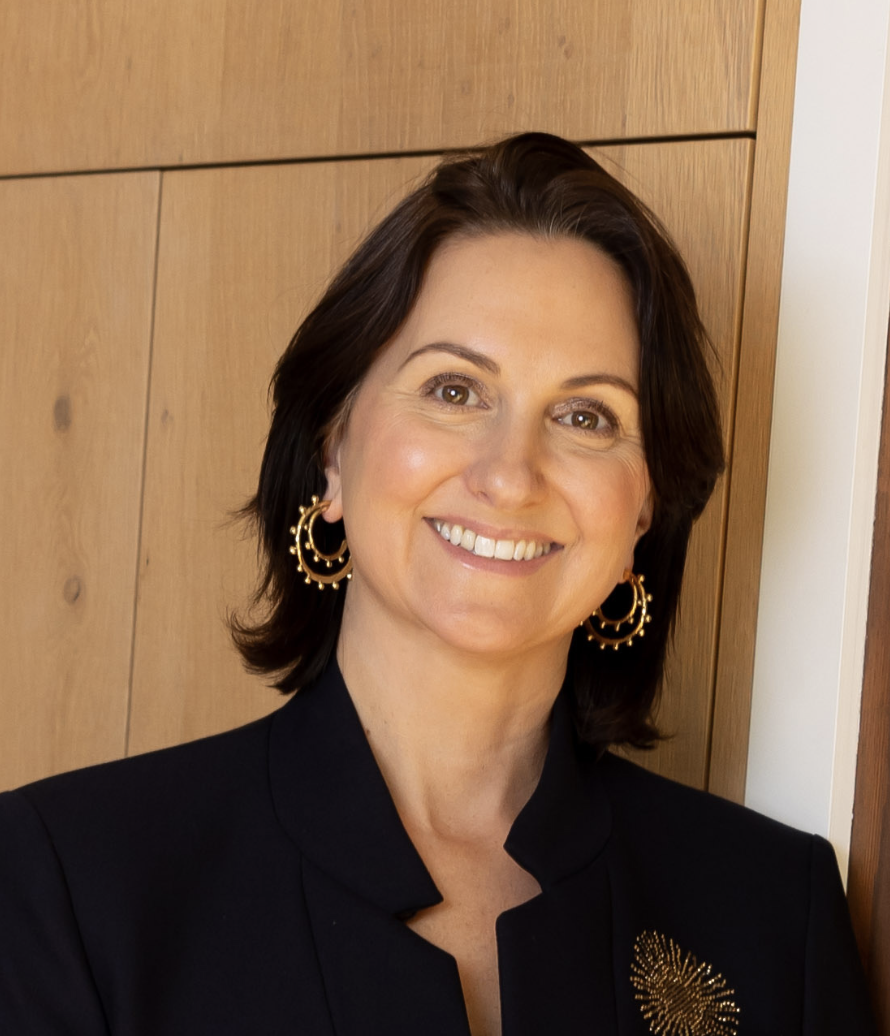
Bridget Snelling.
Cash flow metrics also strengthened in the final quarter of the year. Small businesses were paid an average of 4.5 days late in the December quarter, the lowest level since XSBI records began in 2017.
The average time to be paid after issuing an invoice fell to 24.8 days, down from 25.2 days in the September quarter. Across 2025 overall, payment times were largely unchanged from 2024.
“Shorter payment times are a positive development for small business cash flow,” says Snelling.
“However, businesses are still being paid late on average, which shows there is more work to do to improve payment practices across the economy.”
Snelling adds that while recovery is not yet complete, conditions are improving.
“The recovery isn’t complete, and pressures remain for many business owners. But the improvement we’re seeing at the end of 2025 shows that easing financial conditions are beginning to make a real difference,” she says.
“If this trend continues, 2026 has the potential to be a year of gradual, but meaningful recovery for small businesses across New Zealand.”