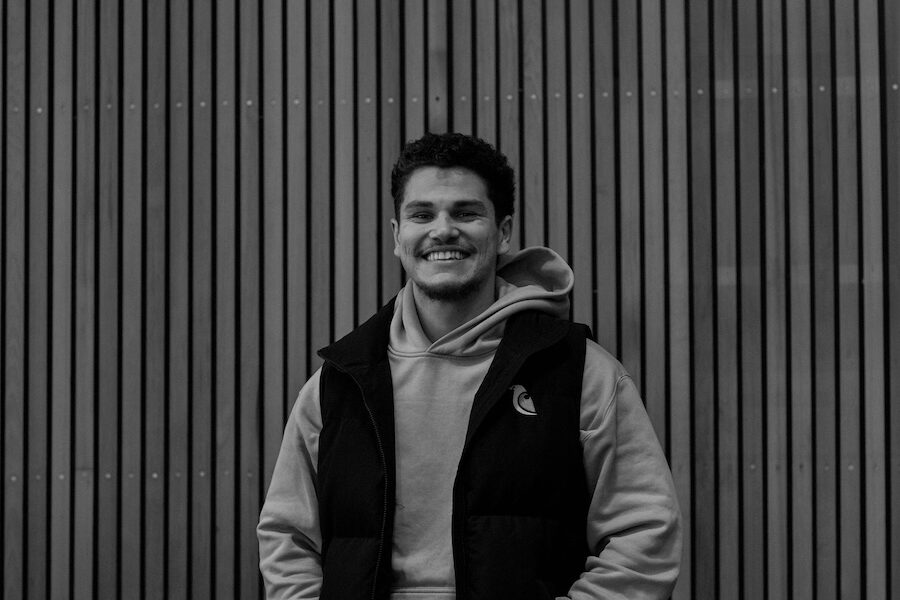
Pictured above: Stuart Savage.
Gen Z entrepreneurship isn’t just about tech start-ups or chasing scale. For young Kiwis like Stuart Savage, it’s about creativity, culture, and community – building ventures that carry meaning, craft, and legacy.
Amid narratives that paint Gen Z as cautious or pessimistic about the future, a different story is emerging: Young New Zealanders are creating ventures that are vibrant, culturally rich, and deeply connected to community. BNZ’s recent initiative, Art of the Start, drew 242 entries from across Aotearoa, revealing a generation ready to start creative ventures, community initiatives, and small businesses across food, fashion, art, and wellbeing.
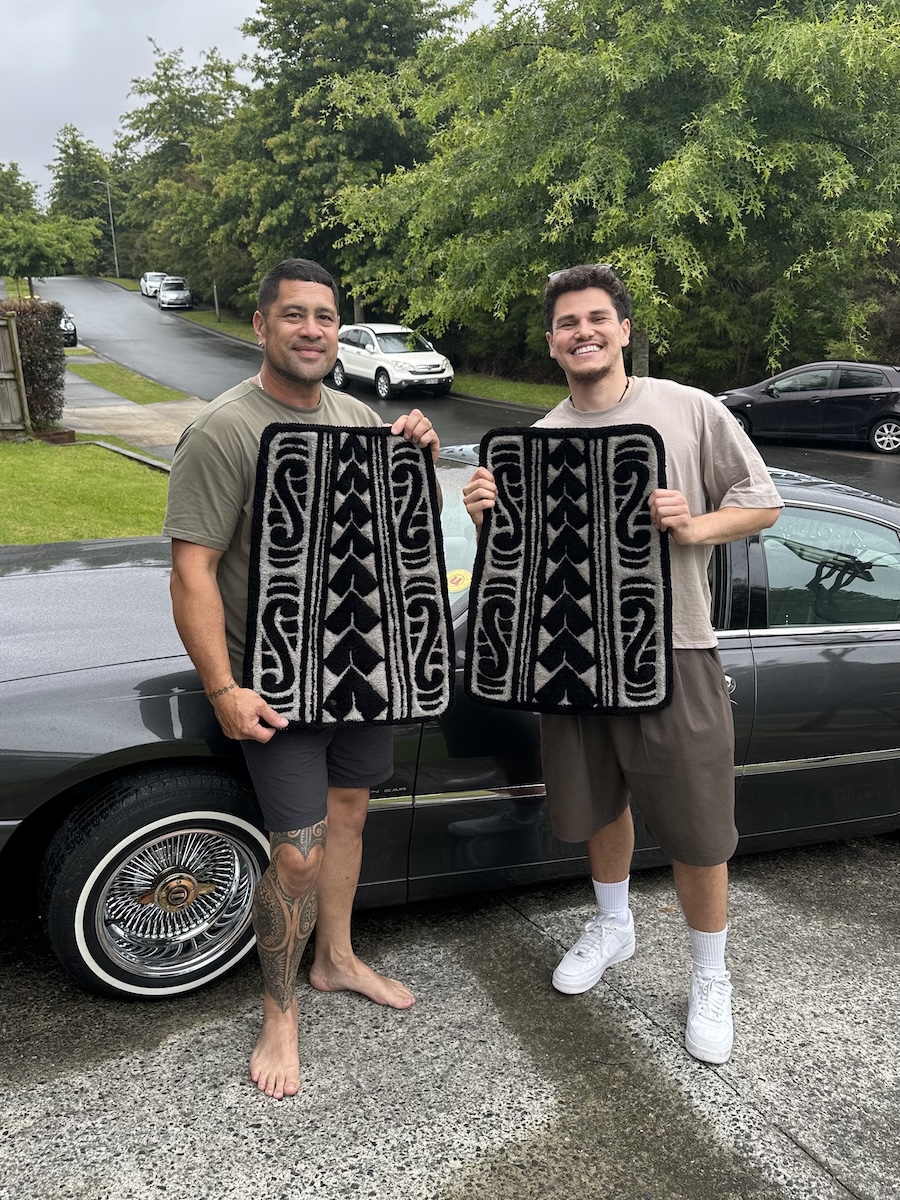
Among the winners is 23-year-old Stuart Savage, the founder of TUARE, an inventive art practice that fuses tufting with te reo Māori and whakataukī (Māori proverbs). His handcrafted rugs and wall pieces bring language and design together in vibrant, tactile forms. With $20,000 in prize funding and mentorship, Stuart is poised to expand his studio, refine his craft, and run workshops that share both tufting and te reo Māori with his community.
For Stuart, Tuare is far more than a business; it’s a vehicle for legacy, creativity, and cultural expression.
“Like many creatives, I’m fortunate that what I create is something people genuinely want to buy. Even before the conception of this kaupapa, I knew my work would resonate with a niche audience and have commercial potential. But that was never the driving force behind TUARE. Creative expression has always been the priority, and commercial gain was (and will continue to be) secondary. Regardless of how TUARE evolves, Māori self-expression and te reo Māori will always remain at its core,” he says.
Balancing creativity with sustainability
TUARE’s model blends commissioned work, passion projects, and community engagement. “Right now, I’m focused on commissioned pieces alongside passion projects. That balance has been sustainable because it allows me to create the work I feel called to make, while commissions provide the income that sustains the practice. In the second half of this year, I plan to expand into workshops and more-kaupapa relevant collaborations. Growth, for me, is about widening the impact without compromising my craft.”
He says that TUARE is as much about storytelling as it is about products. Each rug, wall hanging, or tufted creation carries narratives drawn from Māori language and proverbs, offering a tactile connection to culture.
When asked about authenticity and responsibility in sharing te reo Māori through commercial ventures, Stuart is deliberate.
“Te reo Māori is a taonga tuku iho – an inherited treasure passed down through generations. Because of that, it deserves careful handling, especially within an online and commercial context. I’m intentional about how much te reo Māori I use in my mahi, how and when I translate it into English, and what knowledge I choose to share publicly. I’m not oblivious to the responsibility that comes with working in this space. For me, it’s about honouring the language as the treasure it is, while remaining authentic to who I am and acknowledging how integral te reo Māori is to every aspect of my life – creatively and personally.”
For Stuart, identity and creative integrity come before commercial success. “Neither [business owner nor artist] feel like they truly represent me, but if I had to choose, I’d say artist. Before tufting, I worked primarily with acrylic, from portrait pieces to murals. I never sold that work and created purely for the sake of creating. It wasn’t until my late father encouraged me to sell my art that I realised it could become something bigger. My craft will always matter more than sales, and as a result of that, I don’t feel a huge tension between creativity and business. The only person I’m trying to satisfy is the artist in me who still feels called to create.”
His perspective is instructive for other young entrepreneurs navigating the tension between passion and practicality. While sales and sustainability are important, they are secondary to the creative calling that drives TUARE.
When asked what advice he seeks from established business owners, Stuart reflects on long-term growth.
“I’m interested in how others have scaled while staying true to their original values and craft. And if they didn’t, what they would do differently with hindsight. It’s not an immediate concern, but I do think about how TUARE might need to evolve in response to higher demand in the future, and how to grow without losing the foundation it was built on.”
Motivated by legacy
One of the most compelling aspects of TUARE is its personal and cultural motivation. While Gen Z is often characterised as cautious or pessimistic, Stuart’s drive is rooted in legacy. “My late father, Taina Savage, was my biggest supporter. I launched this kaupapa on the anniversary of his passing and named it after the special name he called me, which was ‘Tuare.’
“So for me, every piece I create and every Māori word I speak within my kaupapa carries his legacy in it. That’s what motivates me and will keep me building for as long as I’m doing his legacy proud. And, while Gen Z are supposedly more pessimistic, I’m super optimistic about what’s ahead because I know why I’m building this kaupapa—and am deeply connected with the foundation it stands on.”
This focus on long-term impact and meaningful connection exemplifies the broader trends seen across the BNZ initiative, where young entrepreneurs are motivated not only by profit but by contribution, culture, and community.
The $20,000 funding from BNZ has accelerated TUARE’s growth, enabling Stuart to invest in tools and machinery that enhance quality and efficiency. “Honestly, the [money] has been transformative. It’s allowed me to invest in machinery and tools that have significantly reduced production time and have improved the overall quality of my work. It’s also brought more efficiency and joy to the creative process. Without that support (and more from BNZ/Colenso), I wouldn’t be producing at the level I am now, and I definitely wouldn’t be experimenting with larger-scale and more complex pieces that I currently am. It’s enabled growth without compromising craftsmanship.”
For many young entrepreneurs, access to funding is often the difference between an idea remaining a hobby and evolving into a sustainable enterprise.
Impact over income
A central pillar of TUARE’s expansion is education and community engagement through workshops. For Stuart, this is less about revenue and more about impact. “All of the above, but primarily impact. My vision for workshops is to create spaces where people can try tufting while naturally engaging with te reo Māori. If people leave having created something with their hands and spoken te reo Māori in a safe, interactive environment, then I’d have achieved what I set out to do. Any other benefits like brand growth and revenue diversification come secondary and are not the core reason.”
These workshops also reflect a growing trend among young Kiwi entrepreneurs for building ventures that are collaborative and culturally significant. It’s a holistic approach where the product, the process, and the community are intertwined.
As TUARE looks to the future, Stuart envisions growth that maintains authenticity and boutique craftsmanship.
“I have long-term plans I’m not ready to share publicly. But I envision TUARE growing into a larger-scale operation that works smarter, not harder and keeps authentic Māori expression at its centre. I believe handmade, boutique work will only become more sought after in the coming decade because it carries human touc, and the beauty of imperfection. While scaling and exporting may happen, preserving that human element will always matter most to me.”
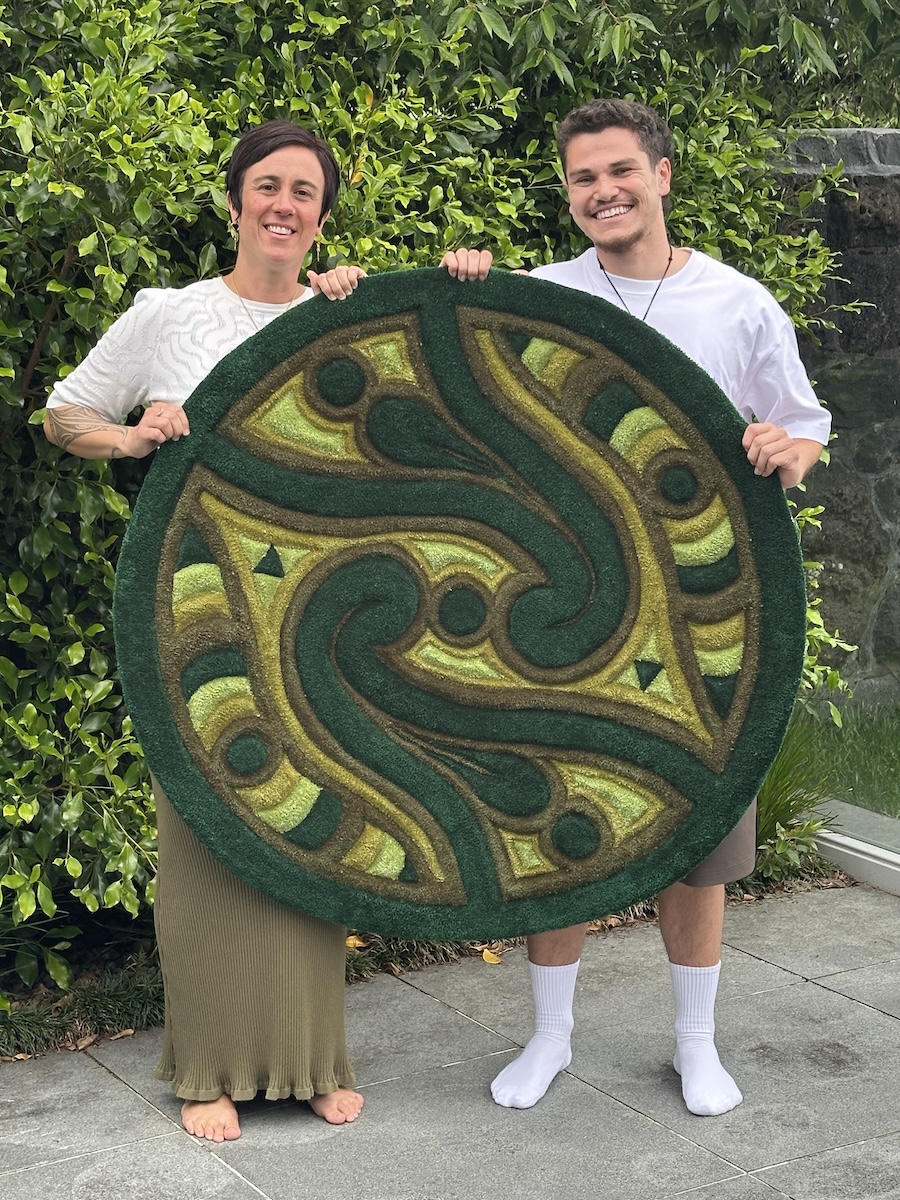
His emphasis on human touch, imperfection, and cultural integrity underscores a broader shift in young entrepreneurship, and perhaps a move away from mass-produced, purely profit-driven models toward ventures that marry craftsmanship, storytelling, and social responsibility.
Stuart’s story sits alongside other young innovators emerging from the BNZ initiative. Jacqueline Jiang’s House of Berry is reinventing ceremonial matcha, while musical theatre duo Sammy Hook and Harry Maxwell are developing a 30-track concept album for their production Clockwork. Across all these ventures, common threads emerge: Creativity, community, and cultural engagement.
The 242 entries to BNZ’s programme revealed a generation thinking differently about business. Mobile barber services for the elderly, hip hop classes in South Auckland, art studios as safe spaces, sustainable swimwear, beauty brands, and gold investment platforms tailored for women, all point to a new wave of entrepreneurship that is collaborative, culturally aware, and purpose-driven.
Stuart’s journey demonstrates that Gen Z is not only capable of entrepreneurship, perhaps they’re redefining what it means to build something that matters.
As Stuart puts it, “The same reason I started TUARE will be the reason I’m still going in 20 years, to build something that outlasts me. Every piece I create and every Māori word I speak within my kaupapa carries his legacy in it.”

Other Articles