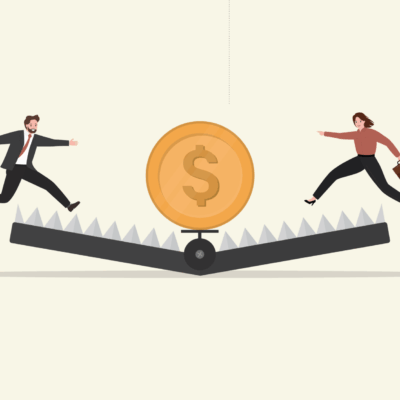
Why customer engagement matters more when consumers spend less
When consumers start watching every dollar, many businesses reach for familiar tactics: bigger discounts, louder promotions and more urgent calls to buy.

When consumers start watching every dollar, many businesses reach for familiar tactics: bigger discounts, louder promotions and more urgent calls to buy. It is an understandable reaction, but not always the smartest one.
In retail and hospitality, tougher economic conditions do not simply reduce spending. They change how people choose. Customers become more selective, more deliberate and more conscious of value. They may visit less often, compare more carefully and think harder before committing to a purchase.
But that does not mean they disengage. In many ways, the opposite is true. When people are spending more carefully, every interaction with a brand matters more. And that is why customer engagement becomes even more important in leaner times.
For New Zealand businesses, this is an important mindset shift. In a softer market, success is not just about driving the next transaction. It is about staying relevant, trusted and front of mind, so that when customers do decide where to spend, your brand remains the natural choice.
This is not a soft strategy. It is a commercial one.
A customer who feels recognised, understood and valued is more likely to return, recommend and remain loyal over time. When competition is intense and consumer confidence is under pressure, those relationships become even more valuable.
The challenge is how to stay connected without sounding tone-deaf. Messaging built solely around “spend more” or “buy more” can feel out of step with the moment. Customers know the pressures on household budgets. What they respond to is not more noise, but more relevance.
That is where engagement becomes a genuine differentiator.
Effective engagement is about creating interactions that add value, even when a purchase is not immediate. It could be a personalised offer based on known preferences, a timely reward that recognises loyalty, a simple thank-you, or an invitation to share feedback. These are not grand gestures. But they build familiarity, trust and a sense that the business is paying attention.
And in uncertain times, trust has real economic value.
This is also where data-driven loyalty programmes deserve far more recognition as a business tool. Too often, loyalty is still viewed narrowly as a points scheme or a discount mechanic. But the true value of a modern loyalty programme is not just in rewarding spend. It is in enabling smarter, more meaningful engagement.
Done well, a data-driven loyalty programme gives a business a clearer understanding of customer behaviour: visit frequency, preferences, responsiveness, timing and value over time. That insight allows brands to move beyond blanket promotions and create interactions that are more relevant, more efficient and more effective.
Consider a café group that notices a regular customer has quietly shifted from visiting three times a week to once. Under a traditional model, that change might go unnoticed until the customer disappears altogether. But with the right loyalty data, the business can act early, not with a mass discount, but with a personalised message and a small offer linked to something the customer actually buys. The cost is modest. The impact can be significant. It tells the customer they have been noticed, and that they matter.
That is the difference between simply rewarding transactions and actively managing relationships.
It also makes good commercial sense. Blanket discounting may create a short-term lift, but it can also erode margin and train customers to wait for the next deal. More targeted, data-led engagement is a more sustainable alternative. It protects value while improving the customer experience, helping businesses strengthen loyalty without defaulting to constant price competition.
There is a longer-term benefit as well. Economic cycles come and go, but customers remember how brands behaved during more difficult periods. They remember who stayed relevant, who communicated thoughtfully and who made them feel valued rather than targeted.
That creates a real opportunity for retail and hospitality leaders. Tougher conditions do not diminish the importance of loyalty. They sharpen it.
Businesses that continue investing in customer understanding, changing behaviours and more relevant engagement will be better placed not only to navigate a slower market, but to emerge stronger when confidence returns.
In leaner times, the goal should not simply be to chase more spend. It should be to deepen connection.
Because when customers spend more carefully, engagement is no longer just a marketing extra.
It becomes a growth strategy.
Our three key takeaways:
- Engagement matters more when spending is more selective.
When customers are choosing carefully, relevance and trust can be just as important as price. - Loyalty should deliver insight, not just incentives.
The real power of a data-driven loyalty programme is its ability to help businesses understand customers and respond more intelligently. - Smart loyalty is about retention as much as reward.
The most effective programmes do not just recognise loyal customers; they identify when valued customers are drifting and help businesses re-engage them early.
Other Articles
Flexible funding for today’s business environment