

• About Us
  • Advertise with Us
  • Contact Us
  • Offers
  • Events
  • Newsletter
  • Podcasts
  • Digital Magazine
  • Home
  • News
  • Opinion
  • Entrepreneurship
  • Self Development
  • Growth
  • Finance
  • Marketing
  • Technology
  • Sustainability
  • About Us
  • Advertise with Us
  • Contact Us
  • Offers
  • Events
  • Newsletter
  • Podcasts
  • Digital Magazine
NZBusiness Magazine

Type and hit Enter to search

Linkedin Facebook Instagram Youtube
  • Home
  • News
  • Opinion
  • Entrepreneurship
  • Self Development
  • Growth
  • Finance
  • Marketing
  • Technology
  • Sustainability
NZBusiness Magazine
  • News
  • Opinion
  • Entrepreneurship
  • Self Development
  • Growth
  • Finance
  • Marketing
  • Technology
  • Sustainability
NewsSocietySustainability

Rise of the conscious consumer

More Kiwis are willing to pay for ethical products than ever before. A new report reveals that 71% are willing to pay more to get the best organic, sustainable and […]

Glenn Baker
Glenn Baker
January 11, 2017 2 Mins Read
1.5K

More Kiwis are willing to pay for ethical products than ever before. A new report reveals that 71% are willing to pay more to get the best organic, sustainable and ethically produced products available.

Three out of every four Kiwis are likely to pay more for organic, sustainable and ethically produced products than they were in 2015, with Fairtrade and the Eco Store recognised as leading sustainable brands in New Zealand. 
According to Colmar Brunton’s Better Futures Report 2016, which surveyed more than 13,000 people throughout New Zealand, 71% of consumers said they were prepared to pay more for sustainable and ethically produced products, a six percent year-on-year increase from 2014. 

Highlighting the Kiwi passion for sustainability and ethics, 83% of respondents stated they would stop buying a company’s products if they heard about them being irresponsible or unethical, and 72% said it is important for them to work for a company that is socially and environmentally responsible.

The upward trend in sustainable consumerism is reflective of rising concerns about the origin of food and other products as well as a desire for easier access to information about the working conditions of farmers and workers in developing countries. 

These developing consumer preferences at a local level also mirror global trends, with similar findings being published by Euromonitor International in their Global Changemakers Survey 2016. 

Fairtrade Australia & New Zealand CEO Molly Harriss Olson said the survey reflects how far the Fairtrade movement has come over the past decade, as campaigners and businesses have worked together to transform the way that the nation shops.

“In the past year retail sales value of Fairtrade products across New Zealand and Australia have grown by more than 17% to NZ$379 Million.”

While environmental concerns continue to grow in 2016, the report also highlights that social issues are occupying the minds of Kiwis. Over 60% of Kiwis rate industry and innovation as being very important to creating a better future for our planet, followed by 65% rating gender equality as being very important.

“These findings reflect the experience of Fairtrade and the importance of our work throughout the Pacific region,” says Harriss Olson.

“Continued retail sales growth has enabled Fairtrade to provide more support and services to farmers and workers throughout the Pacific, including the successful movement and expansion of gender equality and technology innovation programs. 
“It is wonderful to see the thoughtful shopping of New Zealanders translate into profound impacts on the lives of thousands of people in the neighbouring Pacific,” Ms Harriss Olson added. 

Share Article

Glenn Baker
Follow Me Written By

Glenn Baker

Glenn is a professional writer/editor with 50-plus years’ experience across radio, television and magazine publishing.

Other Articles

Holiday advice for business owners
Previous

Holiday advice for business owners

NZB-February-2017
Next

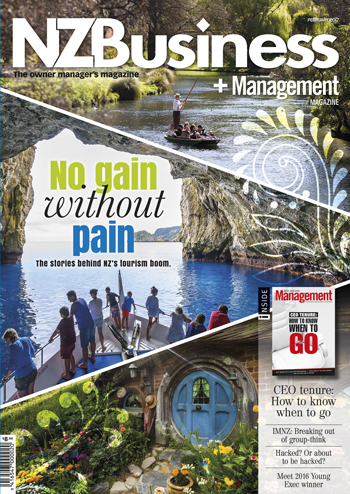
NZBusiness February 2017

Next
NZB-February-2017
January 15, 2017

NZBusiness February 2017

Previous
January 8, 2017

Holiday advice for business owners

Holiday advice for business owners

Subscribe to our newsletter

NZBusiness Digital Issue – December 2025

READ MORE

The Latest

Health and safety law changes ‘confusing’ and a ‘missed opportunity’, says work safety group

February 11, 2026

Angel investment rebounds as deal activity surges and portfolios diversify

February 11, 2026

From nearly bankrupt to $20M: What property investor Ilse Wolfe learned about building real wealth

February 2, 2026

Where craft meets commerce

January 29, 2026

Government eInvoicing and prompt payment rules take effect

January 29, 2026

Confidence lifts, but caution lingers as New Zealand businesses head into 2026

January 29, 2026

Most Popular

Breaking the mould
A cut above the rest
Shaping a new business model
The David Awards 2025 NZB
Entries now open for The David Awards 2025
Episode 18: Crafting luxury with purpose, the Deadly Ponies story

Related Posts

Owning the electric dream

June 17, 2024

Diversity Awards introduces new category

February 9, 2024
Shannon Karaka 2023

Kiwi tech firms are increasingly global employers

December 7, 2023
The Laptop Company

New service tackles business e-waste

December 6, 2023
NZBusiness Magazine

New Zealand’s leading source for business news, training guides and opinion from small businesses to multi-national corporations.

© Pure 360 Limited.
All Rights Reserved.

Quick Links

  • Advertise with us
  • Magazine issues
  • About us
  • Contact us
  • Privacy policy
  • Sitemap

Categories

  • News
  • Entrepreneurship
  • Growth
  • Finance
  • Education & Development
  • Marketing
  • Technology
  • Sustainability

Follow Us

LinkedIn
Facebook
Instagram
YouTube
  • Home
  • News
  • Opinion
  • Entrepreneurship
  • Self Development
  • Growth
  • Finance
  • Marketing
  • Technology
  • Sustainability