People & Culture

SME employment growth ticks up despite flat wages, new data shows

New data from Employment Hero shows New Zealand’s small and medium business sector continuing to add headcount in May, even as wage growth stalled completely on an annual basis, highlighting a labour market where businesses are growing cautiously rather than competing hard for talent on pay.

AI and the human touch in recruitment

Artificial intelligence (AI) is no longer a distant concept or a futuristic experiment, it’s here, reshaping the way businesses operate and hire talent.

Thomas Amos landscape sml

Acute labour pressures easing for businesses

Temporary and casual staffing platform Sidekicker, has released its first New Zealand Jobs Index, revealing that tight hiring conditions are finally easing for businesses. The data for June recorded more than a 211 percent increase year-on-year (YoY) in the application-to-shift ratio. This is despite the average business posting 46 percent more shifts YoY. The Sidekicker Jobs Index analyses data from more than 2,500 workers across businesses from several sectors in New Zealand, including hospitality and events, warehousing and logistics, customer service, administration and office support. Overall, there was a 67 percent YoY increase in the number of casuals being hired per business, with hourly rates rising four percent YoY. Between May and June, there was a 24 percent rise in

Worker burnout

Don’t blame the job when it’s all in your mind

An inability to understand how the mind functions can be a major contributor to burnout and dissatisfaction amongst high-performing employees, says Simone-Ellen Keller. High-performing Kiwis face burnout and dissatisfaction which results in a tendency to move between jobs. On average job turnover in New Zealand is as high as 39 percent a year. But a significant contributor other than the workplace itself may include an inability to understand how the mind functions. Simone-Ellen Keller, a personal transformation strategist and founder of Genius You, believes that high performers consistently strive for excellence, but without the right framework to understand their minds, they often become stuck, depressed, and needlessly perfectionistic. Keller’s comments follow recent findings that New Zealanders are more likely than

EY Entrepreneur of the Year 2023 finalists

Entrepreneur of the Year finalists announced

A desire to use business for social good is the common thread amongst the 2023 EY Entrepreneur of the Year finalists. Ernst & Young has revealed the finalists of its highly esteemed Entrepreneur of the Year competition and while they come from a range of backgrounds and industries, their common purpose to create positive change for Aotearoa is a stand-out theme. Whether it is through closing the gender gap in STEM-related careers, transforming the culture of the scaffolding industry or democratising market research, this year’s finalists demonstrate the important role entrepreneurs play in our society. The entrepreneurs from 16 Kiwi businesses across the country that have been chosen as finalists span industries including retail, construction, marketing, data analytics and education,

Retaining employees

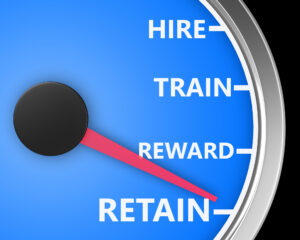
Retaining employees during a talent migration war

Laurence McLean explains how business owners can safeguard their enterprises when faced with loss of talent, encourage team retention, and better recruit in a talent shortage. With costs of living rising, coupled with attractive salary packages being offered in Australia, it’s no surprise that we’re seeing a significant shift in Kiwi workers moving across the ditch. For large corporations, the impact of this on business operations may not be immediately felt. However, for small businesses, this can fundamentally change the business in a matter of weeks. Despite brain drain increasing, there are ways for SMEs to safeguard their businesses when faced with loss of talent, encourage team retention, and better recruit in a talent shortage.   Safeguard against major operational

Aged care

HR leaders divided on AI benefits

With AI use ramping up, new research has found that nearly half of HR professionals across Australia and New Zealand worry about AI taking their jobs. Despite these concerns, 76 percent of HR leaders agreed that AI can help them save time and make their job easier, while 66 percent reported that they are excited about how AI will transform the role of HR. With over 86 percent of HR operations already actively using AI-powered software in the workplace, what is clear from the findings is that the adoption of AI into the HR industry delivers substantial benefits that begin with reducing admin work and will lead to HR professionals having a stronger pulse on the wellbeing, skillsets, and engagement of

Sharon Davies

Predictive AI can identify staff thinking of quitting

Kiwi companies will soon be able to use AI to identify employees who are thinking about resigning, according to an industry expert. The technology will allow managers to anticipate career movements in their workforce before they happen and proactively approach staff to address any issues they have. Latest Government figures show around 21 percent of New Zealanders switch jobs annually. Research also shows the cost of replacing a staff member is 50 percent to 200 percent of their annual salary which represents an annual cost to businesses of over $18.5 billion. Sharon Davies (pictured), managing director of recruitment marketing agency Talent Propeller, says while AI can be associated with job insecurity, international experience shows it can play a crucial role

Stay ahead with NZBusiness

Get practical insights, expert advice, and the latest from New Zealand’s SME community — delivered straight to your inbox in our fortnightly newsletter. Plus, access our latest digital issues anytime.