

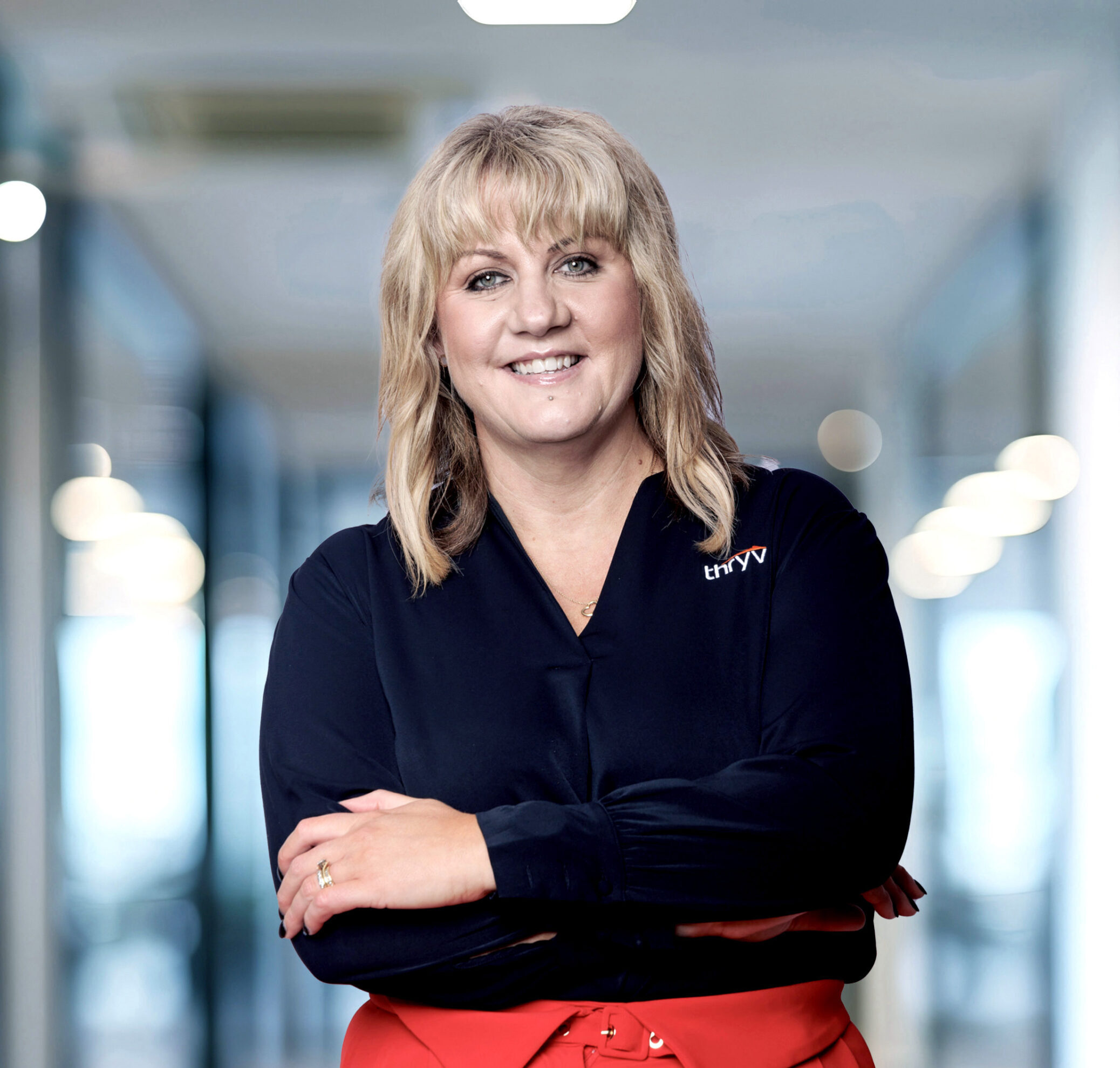
In a fast-moving market, SMEs can no longer rely on size or resources alone. Elise Balsillie explains why cultivating “decision velocity” is becoming the defining edge for growth, responsiveness and customer trust in 2026.
When I speak with small business owners across New Zealand, I notice the same quiet pressure. Business feels faster, customer expectations feel sharper and digital tools shift before teams have fully absorbed them. Business owners tell me they want stability, yet growth demands movement. That tension has created a capability few SMBs have named, yet many are yearning for: decision velocity.
Decision velocity describes a business’s ability to turn information into action at the right moment. Not rushed judgment. Not guesswork. A decisive operating rhythm that keeps pace with customers, markets and technology. This capability is widening the performance gap between businesses that move with clarity and those constantly trying to catch up.
New Zealand’s operating environment now rewards businesses with sharper timing rather than bigger budgets. Customers expect near-instant follow-up. Marketing fatigue sets in quickly unless messages adapt. Workforce constraints demand better prioritisation. Business owners finding rapidly shifting market realities that demand sharper responsiveness.
Responsiveness alone rarely shapes success anymore. Speed does.
What today’s market rewards
A business with decision velocity acts when the moment matters. Instead of waiting for perfect conditions, teams adapt to emerging signals. Small behavioural shifts from customers, such as changes in questions, patterns in bookings, fluctuations in online engagement, become early indicators rather than retrospective insights.
I have witnessed SMBs who outperform national competitors because they move faster with greater clarity. Their advantage comes from rhythm, not resources. They have joined-up systems, simple automation that removes routine delays and real-time visibility of customer behaviour. That combination elevates speed into something commercially powerful.
The hidden drag that slows growth
When business owners tell me they feel stretched, the cause often sits beneath the surface. Not workload alone, but fragmentation.
Customer messages scattered across platforms. Reviews waiting for attention because no one owns the workflow. Staff juggling manual processes to follow up leads or bookings. Marketing activity split between tools that don’t talk to each other.
Every one of those friction points slows momentum. Micro-delays accumulate and eventually shape a business’s culture. A quote returned tomorrow instead of today. A lead replied to after lunch instead of immediately. A campaign adjusted weeks later rather than in real time. None of these moments feel catastrophic, yet together they erode the operating rhythm required for growth.
Digital platforms help by centralising communication, consolidating customer information and automating steps that previously absorbed hours. When routine work flows smoothly, owners think more clearly and act more decisively. Capacity increases not because people work harder, but because operational drag no longer dominates their day. Streamlined operations and digital tools are positioned as essential foundations for staying agile under pressure.
Why actionable insight now surpasses perfect data
Decision velocity requires a shift in business mindset around information. Perfect data rarely exists, however actionable data always does.
Many business owners gather extensive information but struggle to identify what deserves immediate attention. Meanwhile, subtle signals often go unnoticed – repeated customer questions, slowdowns in lead response times, dips in online visibility, shifts in booking patterns. These small changes usually precede larger trends.
Many SMBs across New Zealand are already showing that momentum rarely comes from perfect planning. Progress builds when teams act early on the right signals, even when those signals feel small at first. Businesses that lean into this approach often discover that timely action compounds faster than exhaustive analysis ever could.
Momentum depends on velocity, and velocity depends on focusing attention where it matters. Businesses that take early action build advantage long before competitors even recognise the opportunity.
How decision velocity becomes a competitive edge
Through years spent working alongside SMBs, I have seen three behaviours that set high-performing New Zealand businesses apart.
They remove unnecessary steps: Any task repeated daily becomes a candidate for automation. When routine work happens reliably in the background, owners regain time for strategy, innovation and customer experience.
They reduce the distance between insight and execution: High-velocity businesses reply to leads instantly, update marketing activity based on real-time performance and respond to customer feedback without delay. Their timing creates trust.
They build a culture where timely decisions are expected and supported: Teams feel confident acting early because systems support them. Decisions flow through the organisation rather than bottlenecking at the top. Customers feel the difference immediately.
A capability for the future
Digital transformation continues to accelerate. New tools emerge every month. AI advances faster than most SMBs can fully adopt. Yet none of these shifts deliver value without a business environment that turns information into timely action.
Decision velocity is becoming that environment. It shapes how businesses integrate new technology, manage customer expectations and sustain momentum in uncertain conditions. It sharpens every other investment, from marketing spend to workflow automation, because decisions flow quickly and cleanly into execution.
As we move into 2026, my message to New Zealand’s SME community is to examine where delays originate. Also, strengthen the systems that support your daily decisions. Build teams that feel confident acting quickly. Replace fragmentation with rhythm.
The future will not belong to the loudest business or the largest. It will belong to the businesses that move with purpose, clarity and momentum – at the exact moment their customers need them most.