

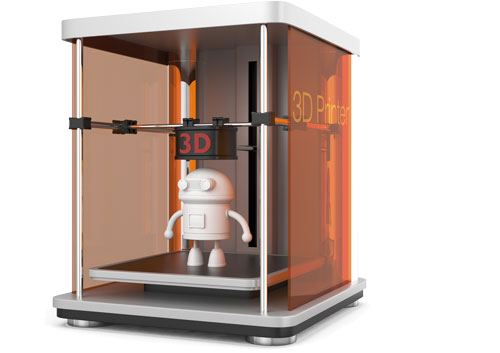

Gartner, a research company that tracks technology trends, says worldwide 3D printer sales will grow 75 percent in 2014. Furthermore, the number of units shipped will almost double the year after.
Until now specialist companies have dominated the market for 3D printers.
HP, which has sold high 3D machines since 2010, says it plans to enter the low-end 3D printer market next year and that’s likely to make the technology far more accessible to smaller companies.
You don’t need to buy your own 3D printer, local bureaus offering pay-per-print services are starting to spring up. It could even be an opportunity worth following up if you’re quick.
Expensive 3D printers costing many thousands of dollars have been around for the past two decades, in the last two or three years the price for basic consumer-oriented devices has fallen to less than $1,000. It’s a great and effective way of making prototypes or organising short manufacturing runs.
Low-end 3D printers resemble inkjets in some ways. They print layer after layer of melted plastic to build solid objects. The process isn’t quick; it can take eight hours to make something the size of a large drinking mug.

NZBusiness Knowledge Series: Stop winging it, build a business strategy that actually works
Thursday 30 July 2026 | 7:00am – 9:00pm
📍 Covert Theatre, 51 Mackelvie Street, Grey Lynn, Auckland
Everyone talks about the importance of business strategy, but what does it actually mean in practice? Strategy trainer Ryan Sproull cuts through the jargon to give SME owners a clear, practical framework for thinking strategically about their business.