

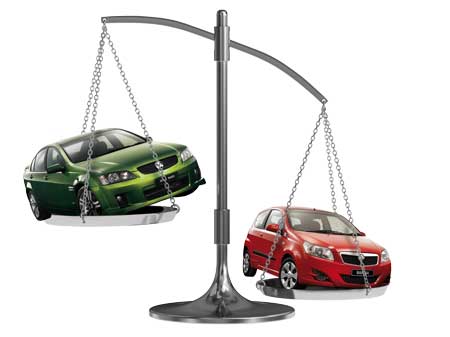

| Businesses have had to steer their way through a company vehicle management minefield during the recession. Patricia Moore gets the experts’ views on how things stand in 2010. The cost of running a vehicle fleet is one of the first P&L lines companies look at when they want to save on expenses, says Mitchel Booth, general manager, sales, at Custom Fleet NZ. “As cashflow slowed we’ve also seen an increased interest in the sale and lease back of existing fleets of motor vehicles as companies realise the overall value of leasing.” Economic conditions have also seen companies extending lease terms out from the usual 36 month term to four years in some cases, according to LeasePlan managing director, Charles Willmer. Whether the term ‘fleet’ applies to one or two vehicles or some dozens of them, the big question for many business owners and managers is whether it’s smarter to own or lease vehicles. The cost to a business of managing a fleet of vehicles is also a significant consideration. And it’s something that doesn’t go away. This has seen more companies which own or operate a fleet, outsourcing management and enjoying the advantages of having a specialist company cope with everything from maintenance and fuel cards to the management of accidents and breakdowns. The pros and cons of leasing versus ownership have been well documented; essentially it boils down to risk management and cashflow. Leasing provides an alternative funding line; it enables a business to retain working capital and know the total costs involved (a plus when planning for the business). Efficient late-model vehicles reflect the image of a company and reliability is optimised. With ownership, vehicles appear on the balance sheet and you have an asset – albeit one that depreciates – but there are associated risks. Resale is one of these risks, as is maintenance. However the business has total control of the vehicle. “The market has been pretty changeable,” admits Booth, but there is light at the end of the tunnel. Alan Roberts, GM Fleet and Fuel, at fleet management specialists Cardlink, reports they’ve purchased 17 percent more vehicles for clients than the same period last year. New car sales overall are approximately 13 percent ahead of 2009. “Many of these are in the corporate market, and a substantial percentage is leased,” says Vern McLaren, national customer service manager at FleetPartners. “This is a good indicator that companies have confidence in their business and the economy in the immediate future.” Going down and green Kiwis may love their cars, but big is no longer beautiful. There’s a trend to downsizing says McLaren. “It’s driven in part by a desire to drive newer, more fuel efficient vehicles, whether through technology or hybrid and diesel fuels.” More efficient use of space is also a factor, he says. “The internal size of a medium size car today is equal to the room in an older, larger car.” Booth says their fleet has definitely changed, “with customers moving away from big three and four litre cars to smaller, more economical two and three litre. There are a couple of reasons for this. One is cost; the other is the whole eco/green theme. Long-term it’s definitely going to be an important consideration.” Indeed, many companies are reviewing their fleets and setting standards around emission levels. Willmer says they’re leading by example. “At LeasePlan we’ve recently undertaken a review of our own staff vehicle fleet with this objective in mind. We’re never going to remove cars from the face of the earth but if we take the responsibility of measuring our actions and our clients’ actions, then we’re being responsible in our business.” Around five years ago, LeasePlan introduced Green Plan which aims to make fleet operation carbon neutral by enabling their business partners to take responsibility for the effects of their fleet on the environment. “Reporting is done around the environmental, social and economic impact of vehicles.” The message wasn’t new but they were something of a voice in the wilderness when they began communicating it to their customer base. By sending well researched and reliable information on a regular basis, Willmer says clients now have a greater understanding of the ramifications of the motor vehicle on the environment, and are actively seeking eco solutions. The larger a vehicle fleet, the more complex the management issues involved. But even small enterprises can benefit from outsourcing. It’s not necessary to lease the vehicles to take advantages of the management options available and there are a wide range of options to choose from. And while general day-to-day care of vehicles sits with the driver and the company and their policies around care of vehicles, having maintenance managed will ensure high standards are kept and cost is monitored. “Accident management can reduce downtime for drivers and provide insights into driver behaviour,” says McLaren. “From the time a vehicle is mobilised an accident management team will take over, managing everything from getting the driver back behind the wheel to organising insurance claims and repairs.” Companies can also set up reports that will identify certain repeat offences with drivers that can help in additional driver training. “Or highlight a pole in the car park that keeps getting hit. It’s all in the detail,” adds McLaren. Managing fuel cards Fuel cards are another important management tool. “Our research has shown they’re first and foremost about control and convenience,” says Alan Roberts. “Clients are looking for additional insight into purchases – when, where and what quantity. They also want to know if their business reflects the norm.” But, he warns, it’s not about spending time trawling through screens – or screeds – of data. “Spend analytics are the key to enabling any company using fuel or charge cards to obtain a holistic overview of card use.” It goes without saying that using a fuel card offers the convenience of consolidated invoicing that saves time and money, says Roberts. Today that convenience of use is dependent on a fuel card being accepted by multiple brands. “In 1976 there were some 4000 service stations in New Zealand. In 2010 the number is closer to 1400 and it’s likely that by 2012 there will be less than 1000. So from a convenience point of view you’re disadvantaged if a fuel card can only be used at a single branded service station.” More options |
Leasing an ex-lease vehicle can mean significant savings and cost advantages, which can be particularly attractive for smaller enterprises, says Mitchel Booth. “They know the vehicles have been well maintained and they’re getting a late model with reasonably low mileage at reasonable rates.” |