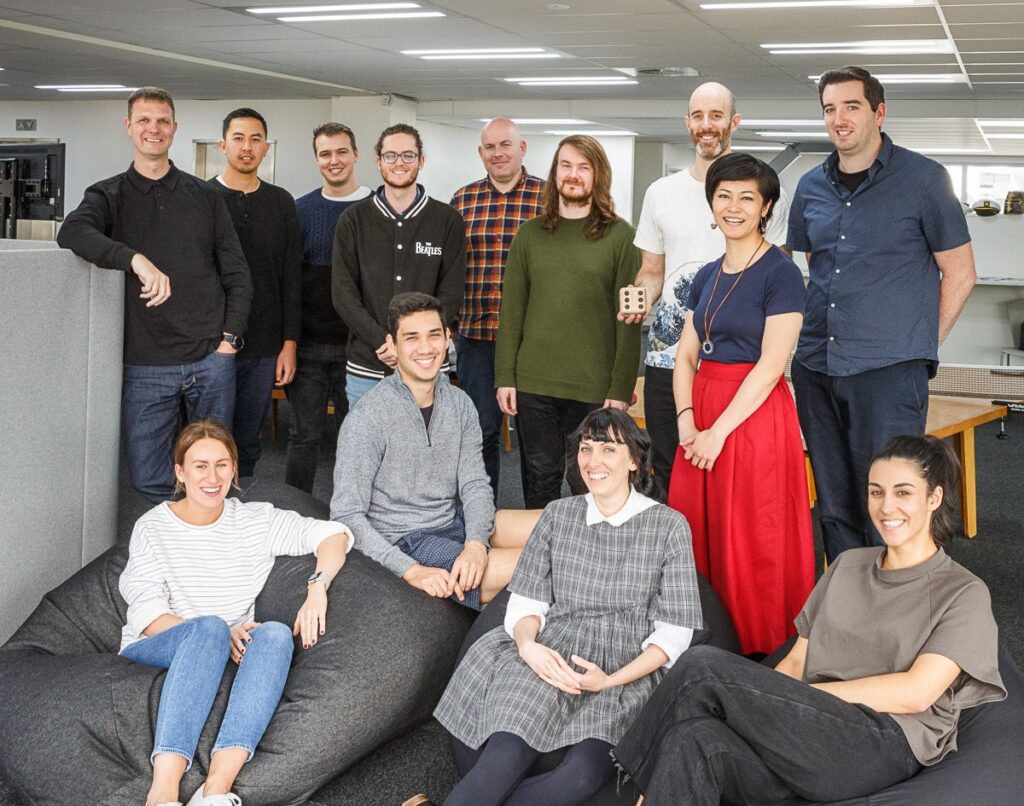
Nathan’s happy place
A lot of Boost’s success in the technology sector can be attributed to its ethos of freedom and democracy in its Wellington office. It’s one remarkable example that proves staff


A lot of Boost’s success in the technology sector can be attributed to its ethos of freedom and democracy in its Wellington office. It’s one remarkable example that proves staff

Buy June issue here All hail technology It’s staggering to consider the impact that high-growth tech companies have had on this country’s economy. Remember when Navman was sold to US

It’s staggering to consider the impact that high-growth tech companies have had on this country’s economy. Remember when Navman was sold to US company Brunswick in 2003 for just over
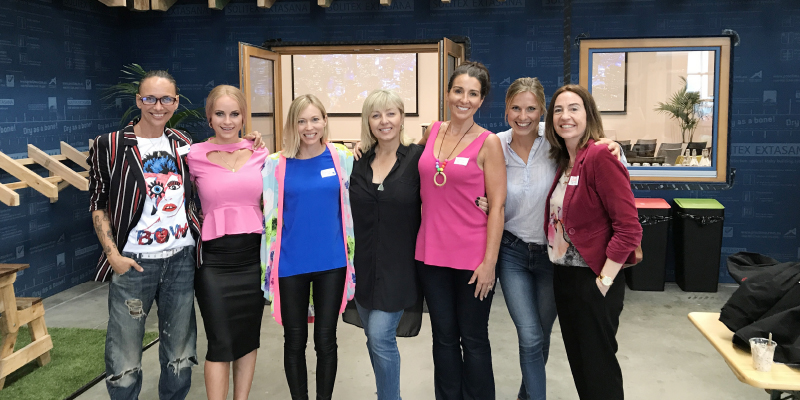
Impact Entrepreneurs NZ wants to improve the state of mental health and happiness in New Zealand. It is raising ‘conscious conversations’ and uniting other business owners and entrepreneurs to collectively

Every business is faced with daily moral and ethical decisions.
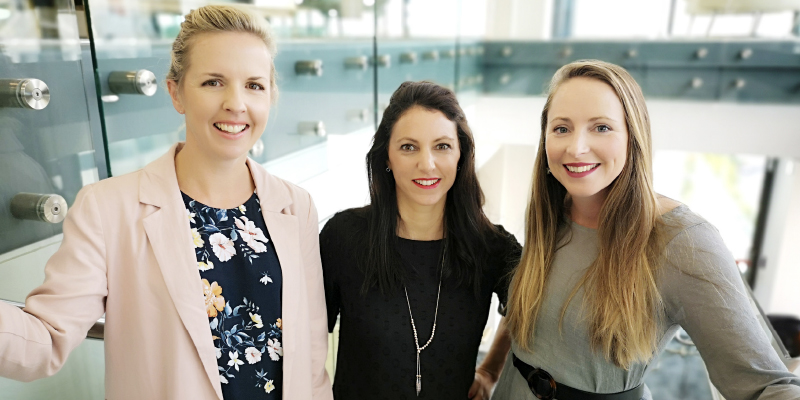
Making flexible working acceptable in every New Zealand workplace by 2025 – that’s the audacious goal of Freerange Works’ founders Sarah Brooke, Aimee Mitchell and Kerryn Strong, and they are

A lot of Boost’s success in the technology sector can be attributed to its ethos of freedom and democracy in its Wellington office. It’s one remarkable example that proves staff happiness and productivity really do go hand in hand. New Zealand is awash with tech developers striving to be ‘top dog’ in the particular niche they operate within. Many climb to the top of the ladder while others struggle to reach the next rung, or even progress off the bottom rung. Often it’s hard to pinpoint one single factor that is responsible for a tech-business’s success – however, in the case of Wellington app and website developer Boost, the most obvious success driver has been its focus on decentralised decision-making

Buy June issue here All hail technology It’s staggering to consider the impact that high-growth tech companies have had on this country’s economy. Remember when Navman was sold to US company Brunswick in 2003 for just over $100 million? It attracted a lot of negative comment at the time, around the loss of profits to overseas investors. But what people forgot back then, but appreciate much more nowadays, is the ongoing impact entrepreneurs and investors (both here and overseas) have on business growth and development over the long term. Profits from big sales like Navman or Sistema Plastics get ploughed back into other local ventures, creating additional jobs. A recent report from Callaghan Innovation, Growing the Pie, revealed that Kiwi

It’s staggering to consider the impact that high-growth tech companies have had on this country’s economy. Remember when Navman was sold to US company Brunswick in 2003 for just over $100 million? It attracted a lot of negative comment at the time, around the loss of profits to overseas investors. But what people forgot back then, but appreciate much more nowadays, is the ongoing impact entrepreneurs and investors (both here and overseas) have on business growth and development over the long term. Profits from big sales like Navman or Sistema Plastics get ploughed back into other local ventures, creating additional jobs. A recent report from Callaghan Innovation, Growing the Pie, revealed that Kiwi entrepreneurs have, since 2003, created at least

Impact Entrepreneurs NZ wants to improve the state of mental health and happiness in New Zealand. It is raising ‘conscious conversations’ and uniting other business owners and entrepreneurs to collectively make a positive impact. NZBusiness caught up with its spokesperson – author, speaker and business owner Natalie Cutler-Welsh. NZB: How did the concept of Impact Entrepreneurs NZ come about? Natalie: I was co-hosting an event for speakers and event planners at the Pro Clima Hub in Auckland. We were networking when a conversation popped up around the shocking state of mental health and depression in New Zealand. A few minutes later, some of us posed for a photo and just before we snapped it I said to the ladies: THIS

Every business is faced with daily moral and ethical decisions.

Making flexible working acceptable in every New Zealand workplace by 2025 – that’s the audacious goal of Freerange Works’ founders Sarah Brooke, Aimee Mitchell and Kerryn Strong, and they are more than up for the challenge. Workin’ 9 to 5 is enough to drive you crazy” – that’s how US singer Dolly Parton summed up the workplace way back in the early 1980s. Now, almost 40 years later, three young Kiwi mums are making an all-out assault on inflexible workplaces around the country, which are still driving many ‘9 to 5’ workers crazy. Flexible workplace advisory Freerange Works is the brainchild of Sarah Brooke, Aimee Mitchell and Kerryn Strong – three women who all realised that lots of Kiwi workplaces

Thursday 30 July 2026 | 7:00am – 9:00am
📍 Covert Theatre, 51 Mackelvie Street, Grey Lynn, Auckland
Everyone talks about the importance of business strategy, but what does it actually mean in practice? Strategy trainer Ryan Sproull cuts through the jargon to give SME owners a clear, practical framework for thinking strategically about their business.
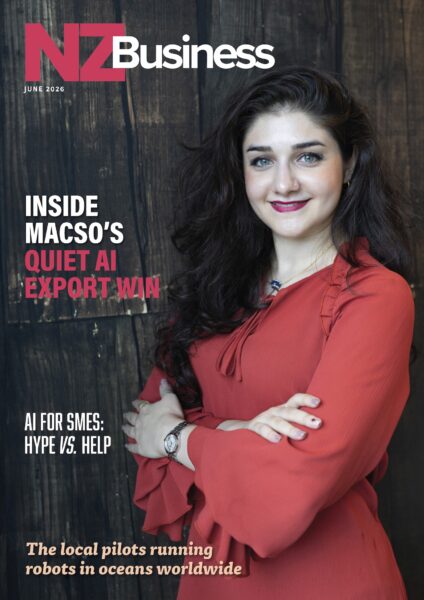
Practical AI insights, Kiwi tech innovators, and the tools helping Kiwi SMEs compete on a global stage. It’s all packed into this special tech issue of NZBusiness.