
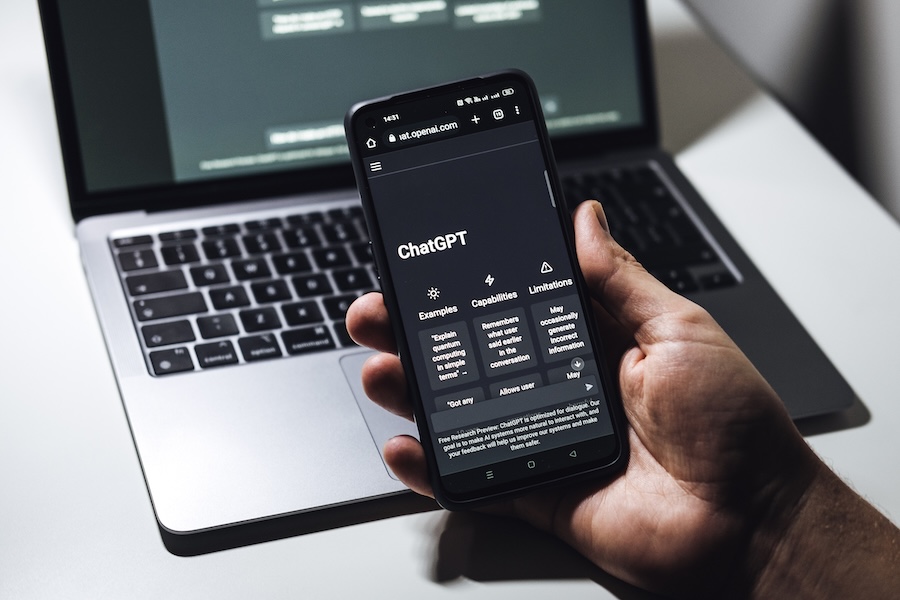

According to Thryv, an AI-enabled SaaS platform for local service businesses, being seen online is no longer enough, the real battle is being recommended.
The shift is driving what’s being called Answer Engine Optimisation (AEO): Helping AI systems understand, cite and recommend a business when customers ask specific, decision-ready questions, rather than simply ranking well in a list of search results.
Rob Hayden, Thryv’s Global Manager of AI Innovation, says the change isn’t really about AI itself, but where and how discovery now happens.
“The old journey was relatively simple. A customer searched, saw a list of links and clicked through to a website,” Hayden says.
“The new journey is vastly different. A customer asks an AI tool a complete question, the tool synthesises information and may recommend only one or two options.”
Instead of a search like “dentist in Wellington,” customers are now asking AI assistants far more specific questions. For example, a highly rated dentist near Wellington who offers Saturday appointments and is good with nervous patients. That means businesses need to make the who, what, why, how and when of their offering clear across every part of their digital footprint, from their website and Google Business Profile to reviews, listings and booking systems.
The numbers suggest New Zealand SMEs have some catching up to do. Thryv’s 2025 Business Index and Consumer Report found 56 percent of New Zealand SMEs are already using AI or AI-enabled software. But it also revealed a sizeable digital visibility gap: 75 percent of New Zealand SMEs believe they have a strong digital profile, yet only 52 percent of consumers agree.
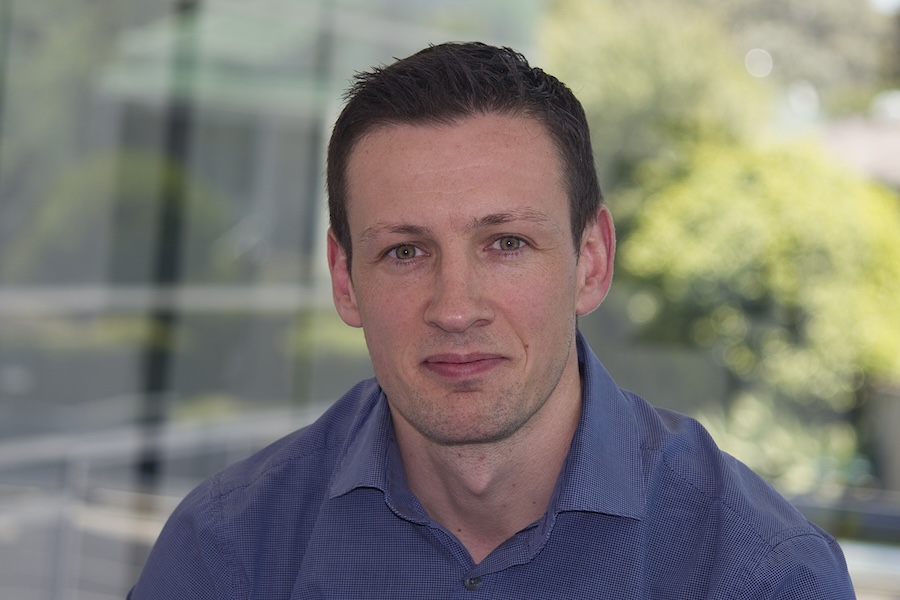
Rob Hayden is Global Manager, AI Innovation at Thryv.
Hayden warns that inconsistency across a business’s online presence, a website that says one thing, a listing that says another, outdated opening hours, this creates uncertainty that AI systems struggle to resolve.
“In the AI era, uncertainty is expensive. It can be the difference between being recommended and being left out of the answer,” he says.
Reviews are also taking on a new role, moving from a general trust signal to what Hayden calls an “evidence layer” that AI can mine for patterns such as response times, specialist expertise, reliability and transparent pricing.
Despite the disruption, Hayden believes the shift favours focused, well-run small businesses over larger competitors with bigger budgets.
“A specialist local business with clear services, strong reviews, accurate listings and a smooth enquiry process can be a better fit for a customer than a larger brand with a bigger budget,” he says.
“AEO is about making a business’s real strengths easier to recognise, verify and recommend.”
For New Zealand SMEs, Hayden says the question has changed: Not “how do I rank?” but how easy they’re making it for AI tools to recommend them as the solution.