


More than 80 per cent of people don’t independently verify information generated by artificial intelligence.
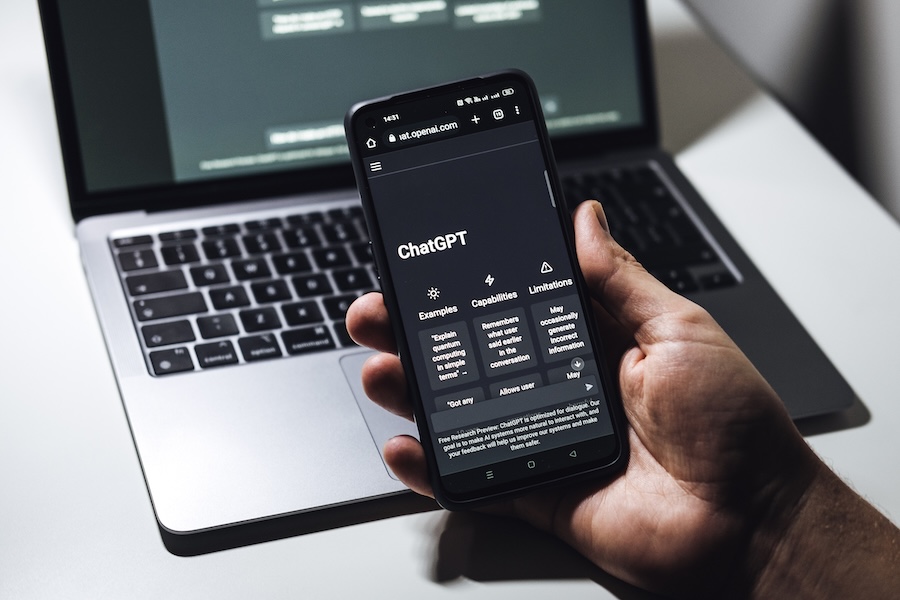
That means millions of decisions are increasingly being shaped by technology that can confidently present outdated, incomplete or simply incorrect information. Yet as more New Zealanders turn to platforms like ChatGPT, Gemini and Perplexity to research products, compare providers and decide who to do business with, that’s exactly what’s happening.
Much of the conversation around AI in New Zealand has rightly focused on productivity and competitive advantage. Businesses are using it to automate repetitive tasks, improve customer service and reduce costs, while the Government is encouraging greater adoption across the public sector to drive efficiency.
But while we’re busy asking what AI can do for our businesses, we’re paying far less attention to what AI is saying about them.
Increasingly, AI is becoming the first place customers encounter a business, often before they visit a website or speak to a person. That changes the stakes. Reputation is no longer shaped solely by what a business publishes about itself or what appears in search results. It’s increasingly influenced by how AI interprets and presents that information.
Unlike a cybersecurity incident, there are no alarms or warning signs when AI gets it wrong. It might confidently describe a business using outdated information, misunderstand what it does, or fail to recommend it altogether. The customer doesn’t complain or mention they’ve received incorrect information. They simply choose someone else, and the business may never know the opportunity existed.
Research by Atlas Digital suggests this is already more common than many business leaders realise. Audits of SaaS, technology and financial services companies found 72 percent contained at least one factual error across major AI platforms, while seven in 10 failed to appear in recommendations for their own category despite performing strongly in Google search.
For New Zealand, that’s particularly significant. Technology is one of our fastest-growing export sectors, and businesses increasingly compete in global markets where trust is built online long before a sales conversation begins. If AI cannot accurately explain what a company does or recommend it to prospective customers, that business risks becoming invisible at the very moment buying decisions are being made.
For more than two decades, businesses have invested heavily in websites, search rankings, media coverage and online reviews because visibility drives growth. AI is changing that equation. Increasingly, success won’t depend solely on whether customers can find a business. It will depend on whether AI understands that business well enough to represent and recommend it accurately.
The encouraging part is that this isn’t outside a business’s control. AI models build their understanding from the information available to them, including company websites, media coverage, business directories, reviews and other trusted online sources. Organisations that keep those sources accurate, consistent and authoritative are far more likely to be represented correctly.
This is why AI should no longer be viewed simply as an internal productivity tool. It has also become an external reputation channel, shaping how businesses are understood before a customer ever makes contact.
New Zealand is right to embrace AI. Used well, it will make businesses more productive, more efficient and more competitive. But as AI increasingly becomes the first place customers go for answers, every business leader should be asking a second question alongside “How can we use AI?”:
What is AI saying about us?