
Growing SMEs are more exposed to cyber-attacks, NCSC research finds
Growing past a handful of staff brings more customers, more systems and more revenue. New research suggests it also makes a business a bigger cyber target.


Growing past a handful of staff brings more customers, more systems and more revenue. New research suggests it also makes a business a bigger cyber target.
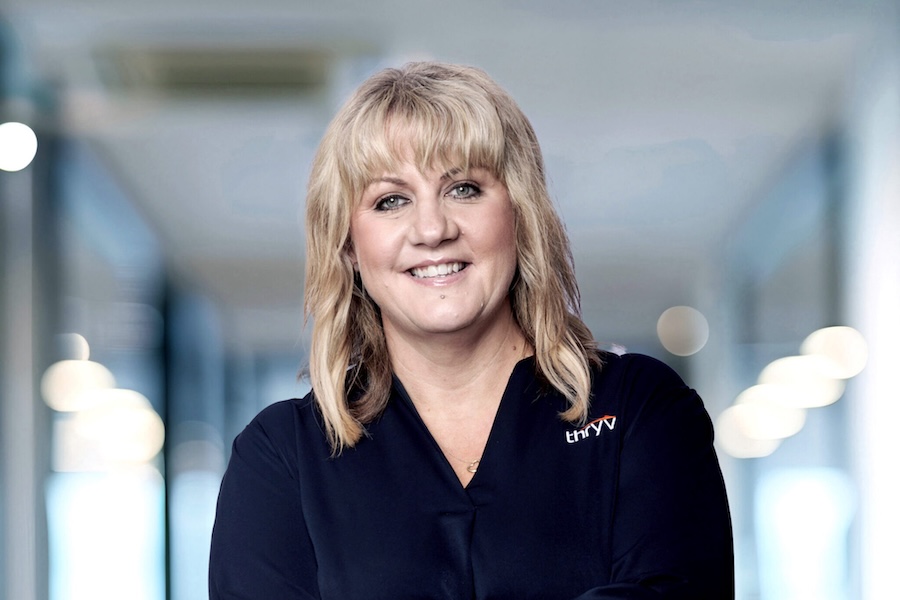
Many tradies and salon owners already spend money on marketing. The harder question is which of that spend actually brings in paying customers, and Thryv says its new platform can answer it.
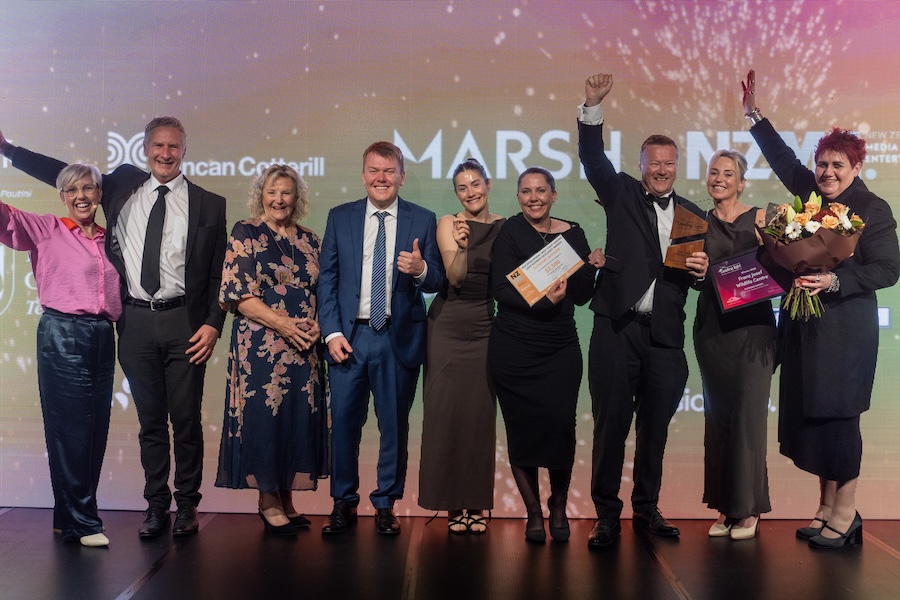
Franz Josef’s West Coast Wildlife Centre has been named the West Coast’s top business for 2026, winning the Development West Coast Supreme Award at the Leading Light Business Excellence Awards.

Finding the right funding for any business is never easy, but if you are the founder of an early-stage business pursuing a new, or perhaps untested, market the challenges are particularly complex. But, as Kiwibank’s General Manager of Business Banking Rod Morris tells NZBusiness, Kiwibank has stepped up to change the game for early-stage business founders with its new funding pathway, built to unlock opportunity and foster sustainable business growth.
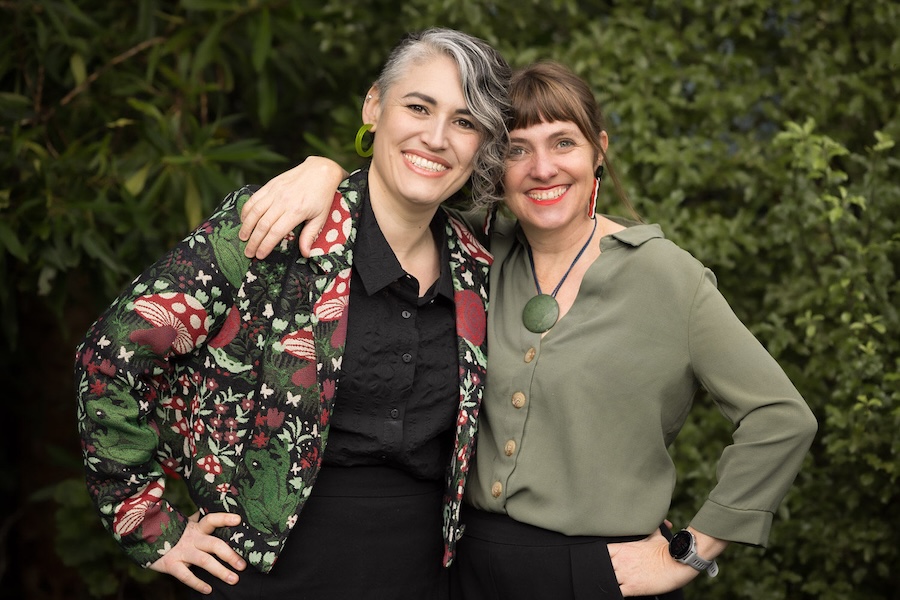
Finalists are in, and with entries up nearly 50 percent on two years ago, The David Awards judges have never had a harder job.

Eric Clark, CEO of Manhattan Associates, believes complexity is becoming a permanent part of the operating environment. Clark discusses why that can create opportunity, what other industries can learn from retail, and how technology and AI can help businesses manage it.
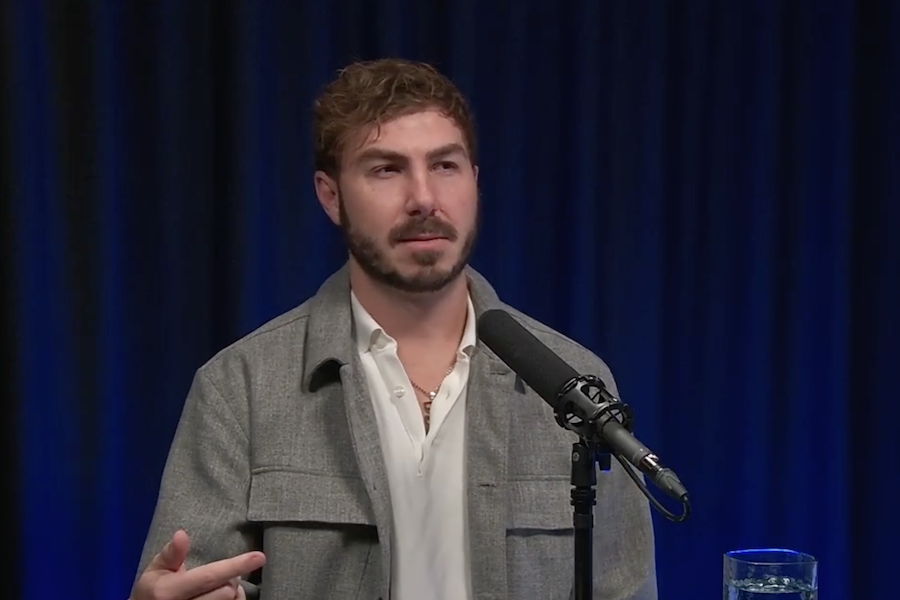
Two years after leaving corporate life, Josh Burgisser built Burgs Digital into a full-stack marketing agency. He talks to David Nothling-Demmer about the attention economy, why video isn’t optional for small businesses showing up online, and convincing his own father to become a client.
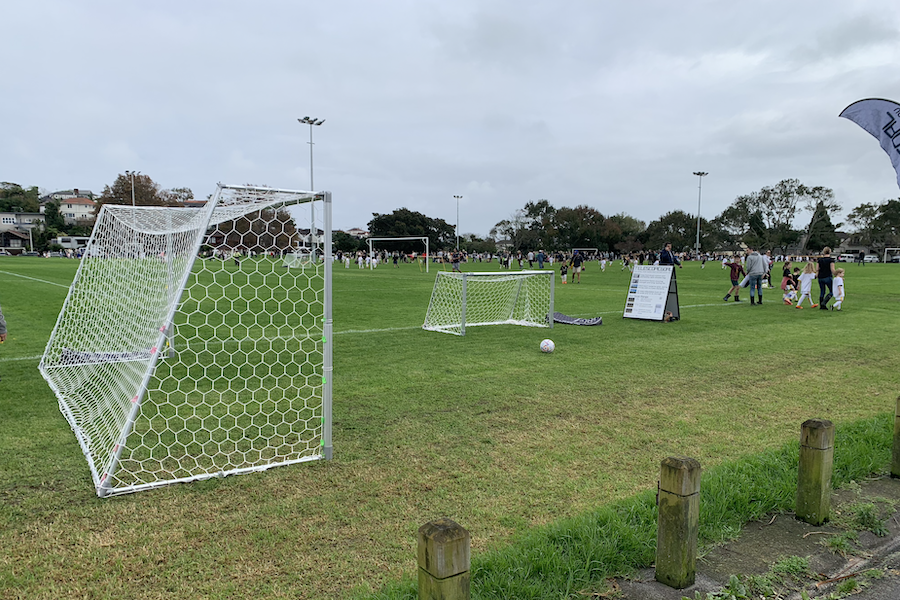
Kiwi innovation meets smart marketing. Telescopicgoal is transforming the way football is played and trained around the world, all with a clever, adjustable aluminium goal and a creative, targeted approach to reaching customers.
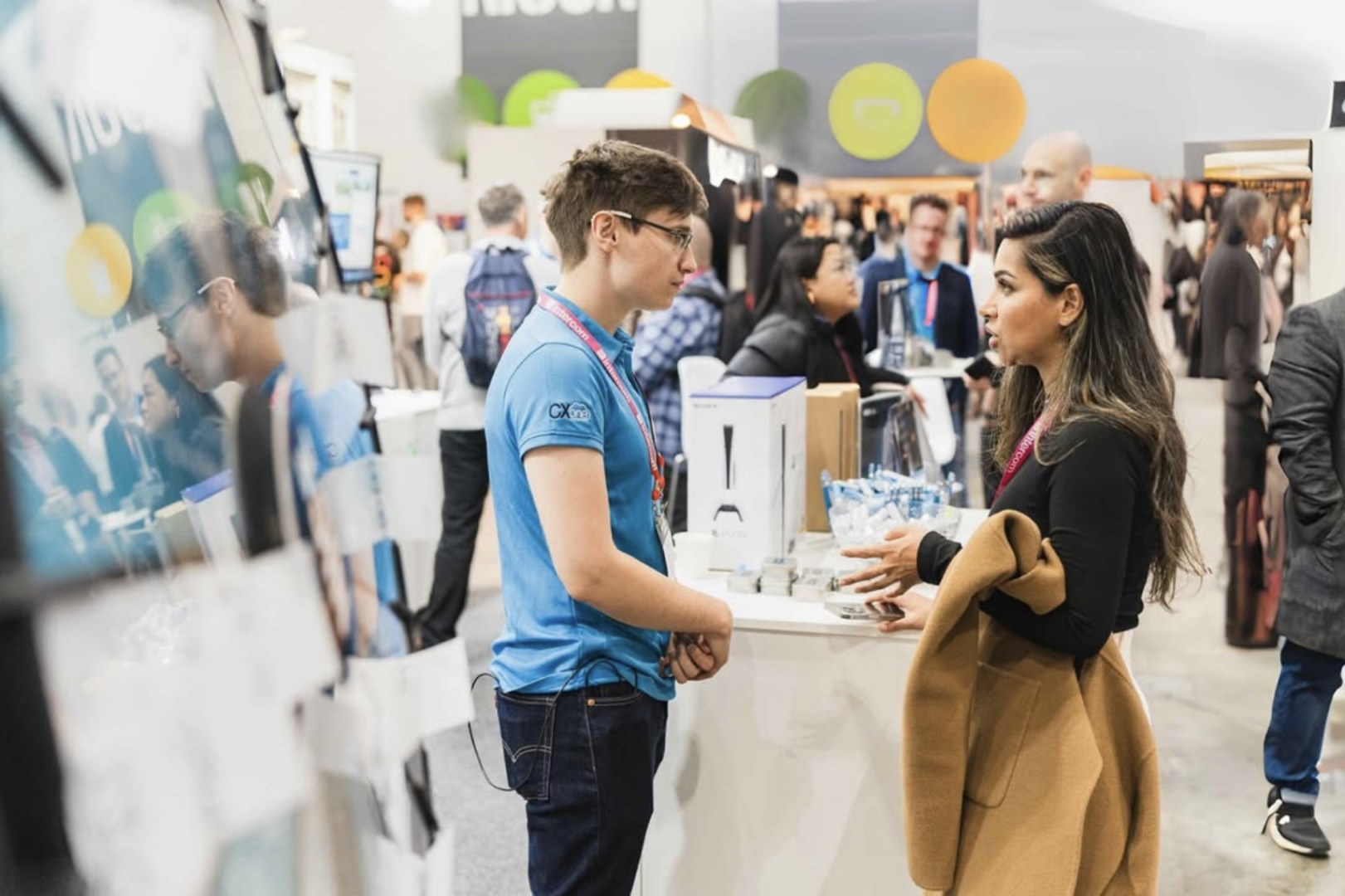
More than 60 exhibitors, 75 speakers, leading franchise brands and 1,600 attendees are expected at Due Drop Events Centre this September.
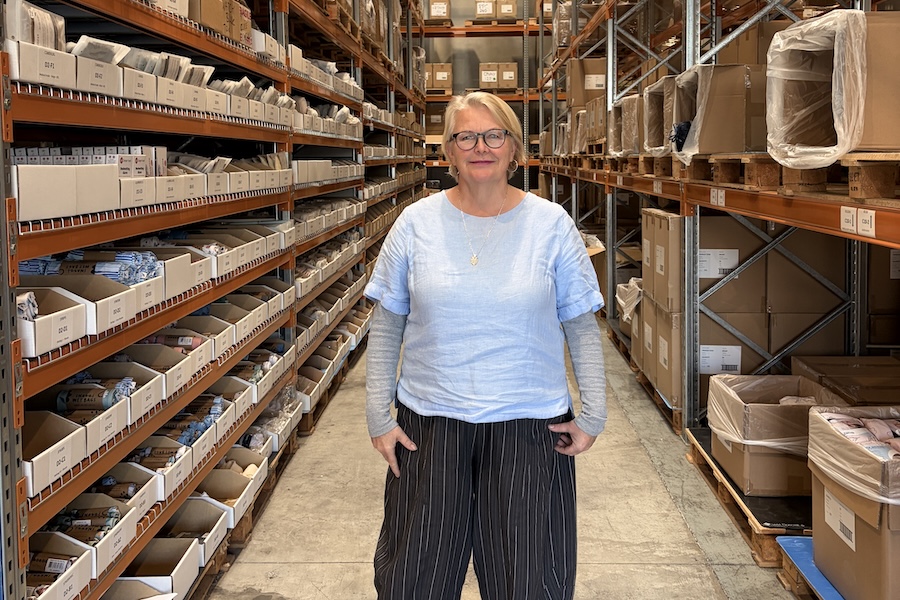
Where are they now? Brolly Sheets Founder Diane Hurford on 20 years of bed-wetting, bandanas and building a business that stuck.
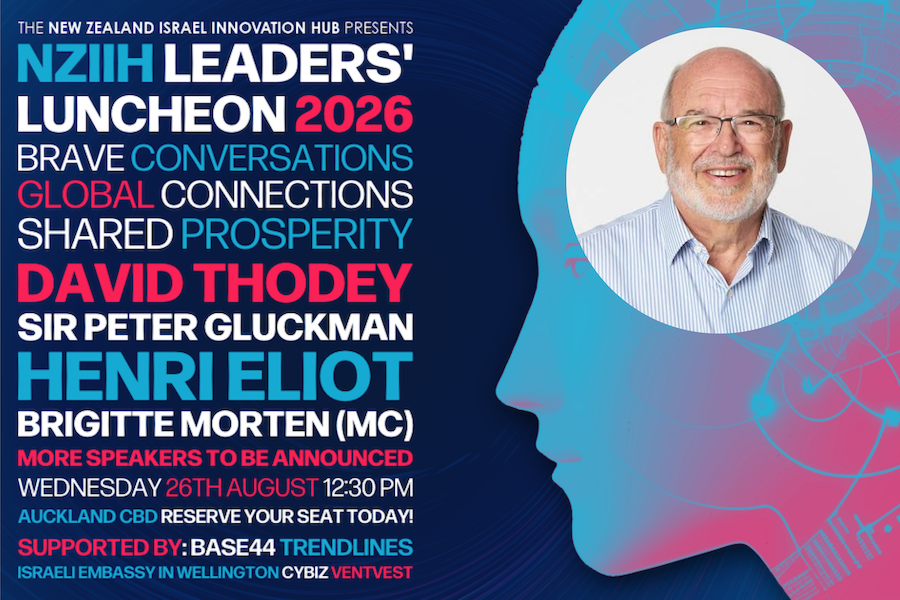
Some of New Zealand’s most influential science, business and policy figures will gather in Auckland next week to grapple with a question that has dogged the country for decades: How does New Zealand turn its ideas into lasting prosperity?
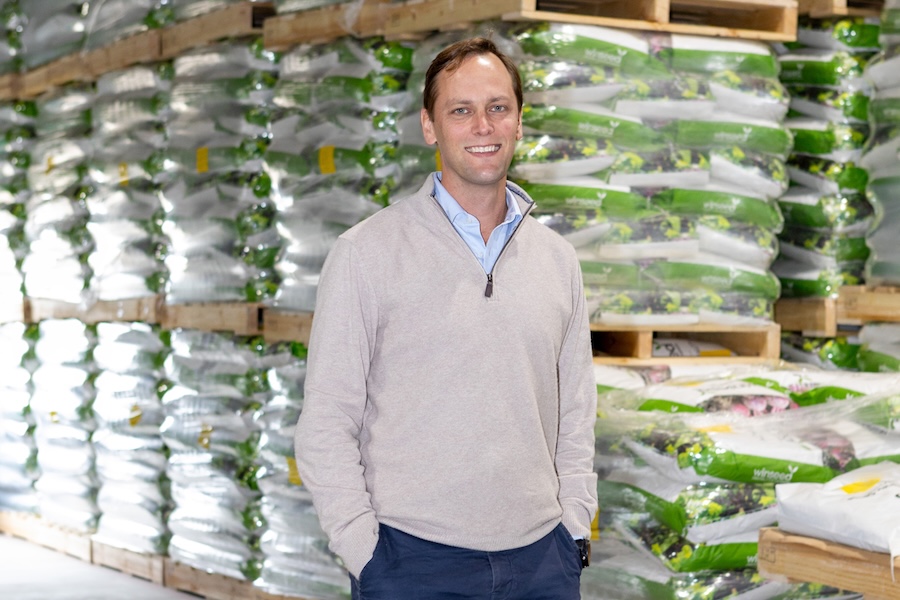
Leading a multi-national company takes guts, hard work and determination but without good governance, structure, and processes there is risk for shareholders – no matter how hard you work.
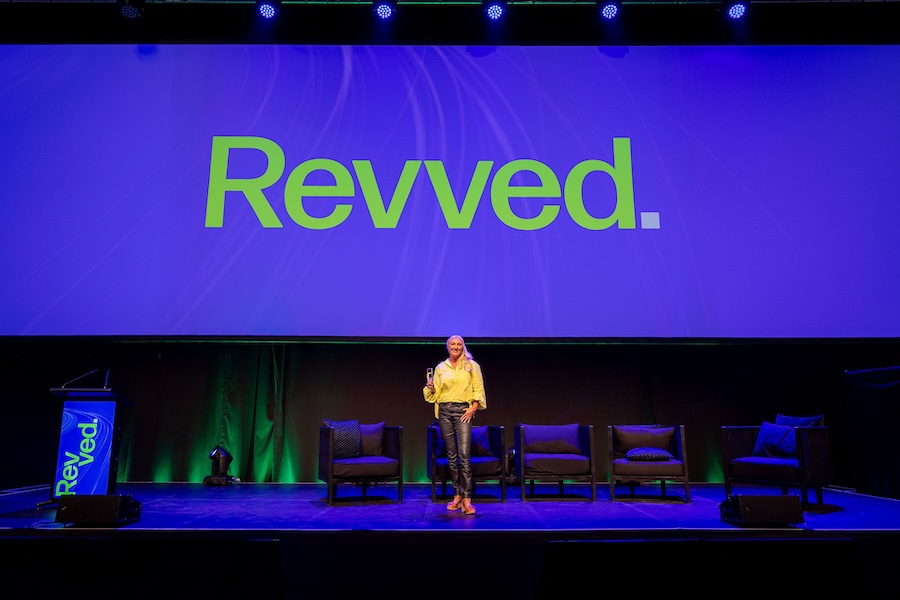
New Zealand’s leaders are shrinking their own ambitions in isolation. Revved Co-founder Rochelle Moffitt wants to put them in a room together instead.

Taupō’s The Cozy Corner isn’t just a café, it’s a community hub where inclusivity, wellness, and sustainability meet. With a menu that caters to every dietary need, a great team culture, and a commitment to values-driven business, owner Camilla Baker has built an eco-friendly café that sets the standard for hospitality with heart.
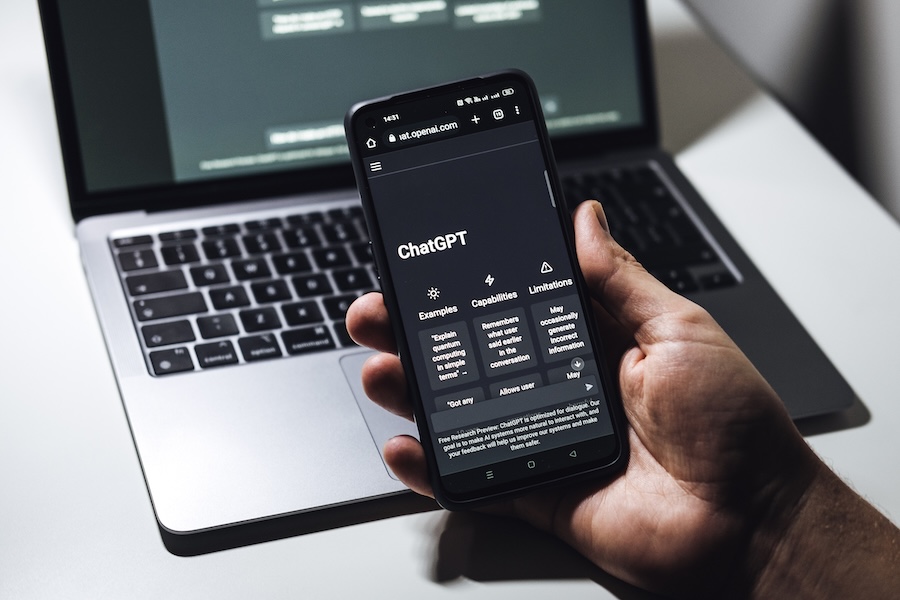
New Zealand small businesses are facing one of the biggest shifts in customer discovery since the rise of Google Search, as AI-powered tools change how consumers find, compare and choose who to hire.

More than 80 percent of people don’t independently verify AI-generated information. As AI becomes the first place customers go for answers, that trust is creating a new challenge for New Zealand businesses.

We’re told the economy and the environment are locked in a trade-off. Autex’s Jonathan Mountfort says that’s a false choice, and shows how circular thinking is already building a healthier version of both.
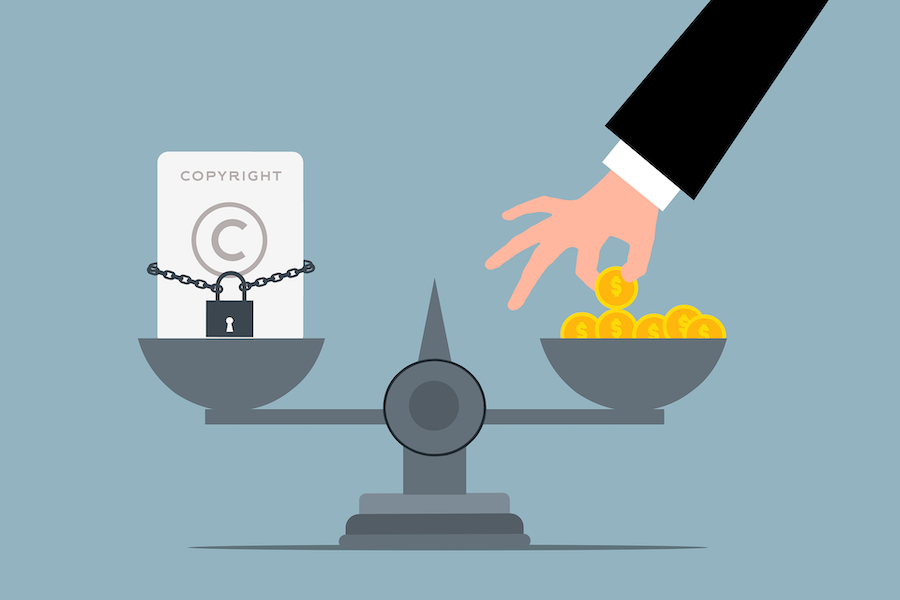
New Zealand research into scientist-entrepreneurs has identified an “IP paradox”: Intellectual property is seen as essential to start-up success, yet often experienced as a costly, complex barrier. Here’s what the findings mean for founders, investors and the wider SME community.

AI is having its “peak hype” moment, but beneath the noise there is a very practical question most New Zealand business owners are asking: Will this actually help my business run better, or is it just another shiny tech distraction?

Most of the AI conversation right now is about what the technology will eventually do for everyone. Not much of it covers what you should actually start doing, this week, to make sure your business can use any of it. Let’s change that.
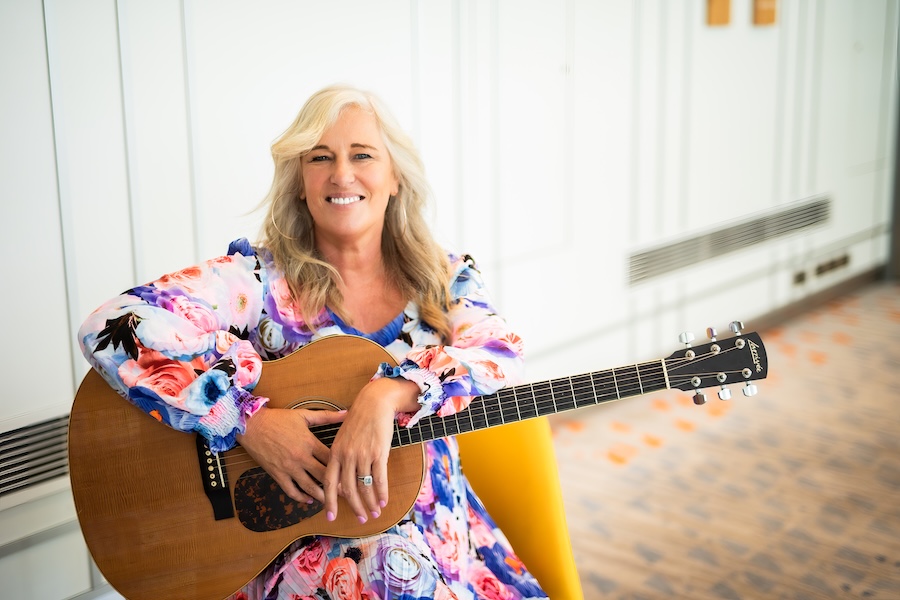
Keynote speaker, educator, author, recording artist and Solo Meo Award winner Julia Grace, has turned her mental health journey into inspiring talks, workshops, and performances across New Zealand and beyond. She’s also made a success of being an entrepreneur in the process.

Setting a big, bold goal feels like strategy. It isn’t. Ryan Sproull explains why picturing success can actually work against you, and what to do instead.
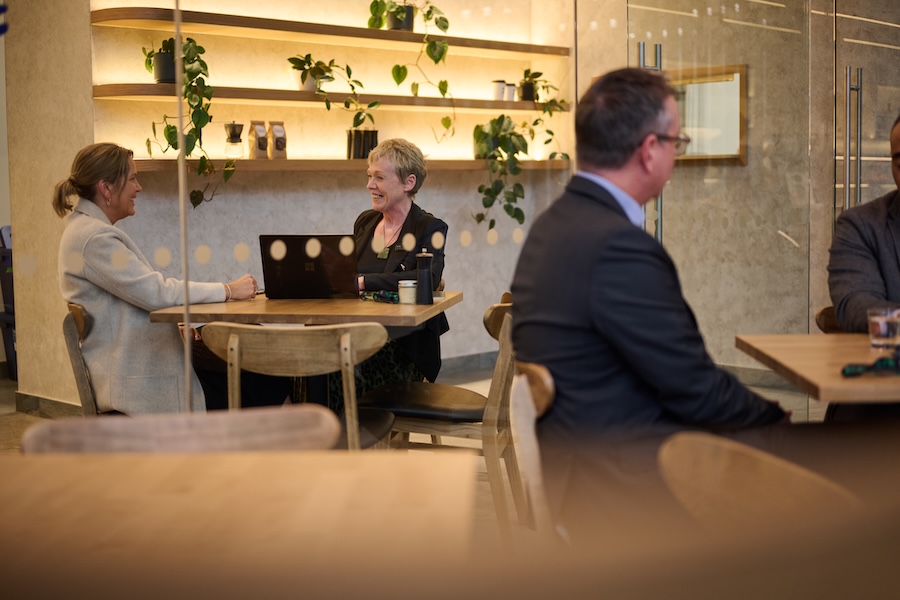
After a punishing economic cycle Kiwi businesses are emerging into something of a stabilisation period. Cautiously optimistic, past the worst, but with operating costs still biting and reinvestment held back. Why the next six months will define the recovery, and what business owners need to be doing in that period.

New data from Employment Hero shows New Zealand’s small and medium business sector continuing to add headcount in May, even as wage growth stalled completely on an annual basis, highlighting a labour market where businesses are growing cautiously rather than competing hard for talent on pay.
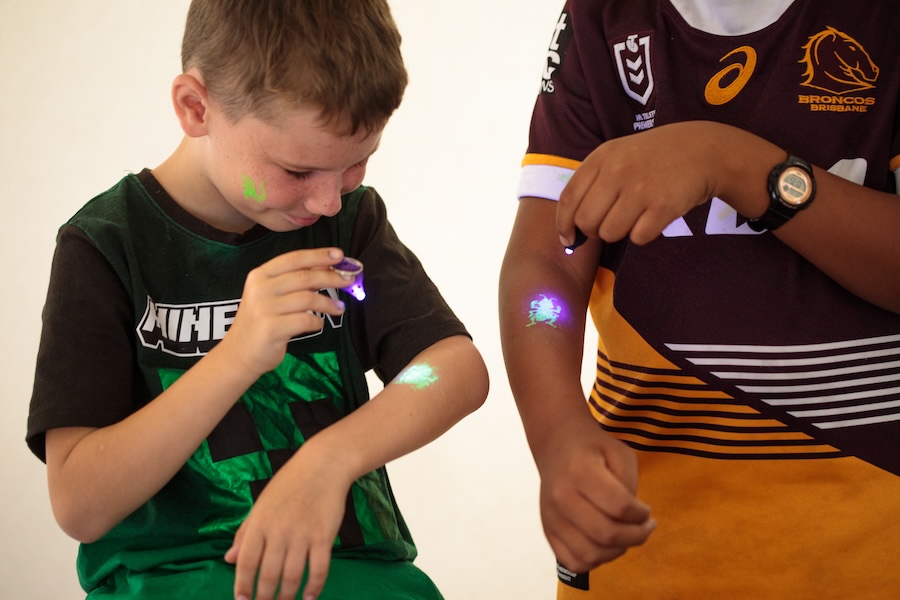
Turning a dreaded parenting challenge into a science-powered solution, ISpy Nits is making head lice detection accurate, stigma-free, and even fun for kids, and in the process earning Kate Ricketts a well-deserved David Award.

After burnout and a corporate career, Nikki Taylor started her own business at 44, and discovered that midlife isn’t a crisis, but a chance for clarity, on what kind of work, and life, actually fits.

New Zealand’s productivity gap with countries like Finland isn’t about effort, it’s about clarity. Elliot Royce argues that as businesses grow, complexity quietly crowds out a shared understanding of what actually creates value, turning productivity into a symptom rather than the real problem.

A pilot programme’s runaway demand has exposed just how many promising New Zealand startups are being turned away by traditional bank lending.

New Zealand’s sustainable innovators remain confident about growth, but a new report shows many are struggling to access the capital and conditions needed to actually scale.

New Zealand’s small business productivity has flatlined, with the country continuing to trail Australia and the UK, even as Deloitte’s latest CFO survey shows finance leaders remain confident about growing their businesses despite economic uncertainty.

Successfully running a business is an impressive feat and challenges can be frequent, and testing. Yet through obstacles like these, business owners gain valuable learnings and insights into consumer behaviour, their market, and business in general. One area where small businesses often run into hurdles is during debt recovery. Healthy cash flow is instrumental to running a successful small business, with the power to turn a struggling operation into a happy one. In this article, we explore some of the biggest obstacles that New Zealand businesses run into when chasing their unpaid accounts. 1. Clear systems and expectations. Small businesses are known for moving quickly to try and hit the ground running. Often this comes at the expense of critical
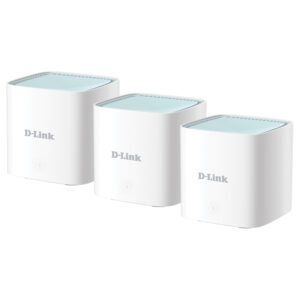
The new D-Link Eagle Pro range aims to combine Wi-Fi 6 connectivity with AI (Artificial Intelligence) to enhance speed and coverage. The M15 mesh system comes in both a 2-pack and a 3-pack version depending on the coverage area required. D-Link recommends the 2-pack for coverage up to 370 sqm and the 3-pack to 500 sqm making them overkill for most houses, however house configuration plays a part in this so if you have solid walls or multiple floors you may want that extra unit! If you have Wi-Fi 6 devices (Most recent phones and tablets support it) you will get a significant speed increase moving to a Wi-Fi 6 router and even if you don’t it will future proof

There are several options when it comes to selling your business. It’s important when deciding your best path to keep in mind your financial and non-financial goals. After all you want the best possible return and outcome for your business, in order to maximise the investment you have made over the years. Here are three options to choose from: 1. Selling your business privately This will often provide the best return, especially if there is a strategic reason for someone purchasing your business. It pays to ensure the buyer is genuine and committed to going through with the purchase. Watch for competitors disguised as ‘buyers’. They may just use the opportunity for gathering valuable knowledge on your business systems and your

A new four-day week pilot is underway, as over 30 companies and almost 1000 workers across Australia and New Zealand get an extra day per week back with no loss of pay. The six-month coordinated trial, run by non-profit 4 Day Week Global, operates off the 100-80-100™ model where workers get 100% of the pay for 80% of the time, in exchange for a commitment to maintaining at least 100% of the output. Participating companies operate across a diverse range of industries, offering services in the manufacturing, fashion, healthcare, real estate, finance, technology, education and PR sectors, to name but a few. In New Zealand the companies include Cook Costello Limited, Haemata Limited, Kowtow Clothing and BVT Engineering Professional Services’
Brett Ashley shares four key actions to help business owners and leaders create greater resilience and buoyancy in business teams. Owning or managing a business will provide many challenges but once you have made that decision, the biggest challenge will be understanding your role as a leader. The first question you need to ask yourself is what type of leader do you want to become? I believe that we all have the ability to become effective leaders of people, and that leaders are created, not born. But to be both an effective and successful leader you have to be prepared to commit to a number of personal and organisational beliefs. Firstly, effective leaders need to understand the difference between leading

For many business owners social media has a reputation for being ‘too hard’ and a ‘time-wasting pain’. Christine Westbury is on a mission to change this perception. “We are noticing that businesses who are leveraging social media for story-telling, brand building and employment attraction are standing out among the crowd,” shares Christine Westbury. “The truth is, social media has evolved the way we perceive and learn about businesses. People want to see the humans behind a brand, who they will be working with and the ‘good’ they are doing in the world.” A human-centric approach to social media helps employee recruitment, too. This has been a major headache for many businesses over the past 18+ months and it’s been difficult

Thursday 8 October 2026 | 5:00pm – 7:00pm
📍 GridAKL, 101, Pakenham Street West, Wynyard Quarter, Auckland
The David Awards 2026 winners are revealed live at GridAKL on 8 October, followed by a panel on building small businesses that punch above their weight. Finalist or not, get your free ticket to this informative and celebratory event.
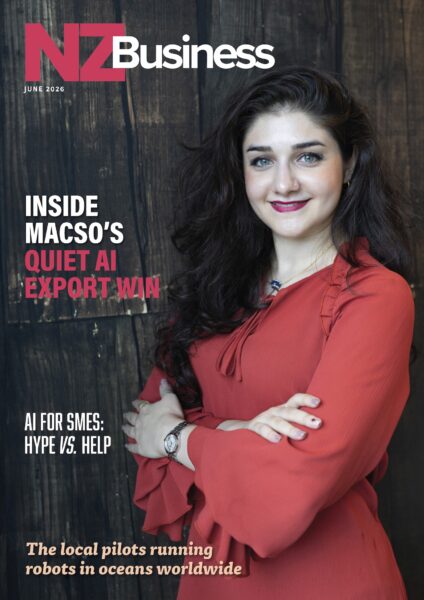
Practical AI insights, Kiwi tech innovators, and the tools helping Kiwi SMEs compete on a global stage. It’s all packed into this special tech issue of NZBusiness.