
Growth by digital design

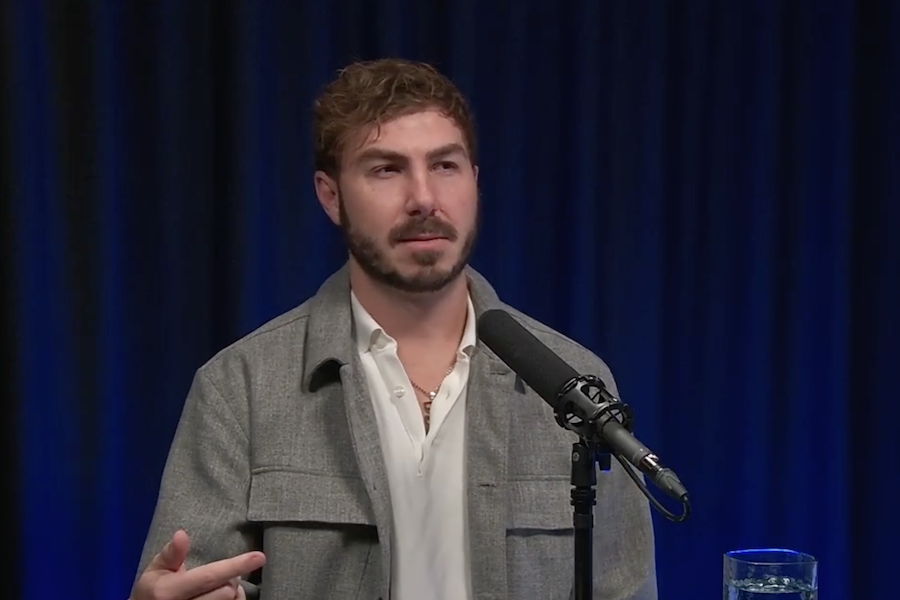
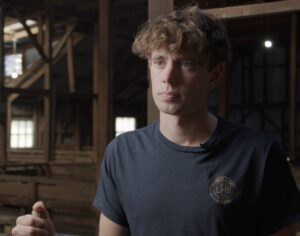
Two years after leaving corporate life, Josh Burgisser built Burgs Digital into a full-stack marketing agency. He talks to David Nothling-Demmer about the attention economy, why video isn’t optional for small businesses showing up online, and convincing his own father to become a client.

Small goals, global ambition

Kiwi innovation meets smart marketing. Telescopicgoal is transforming the way football is played and trained around the world, all with a clever, adjustable aluminium goal and a creative, targeted approach to reaching customers.

Hospitality with heart

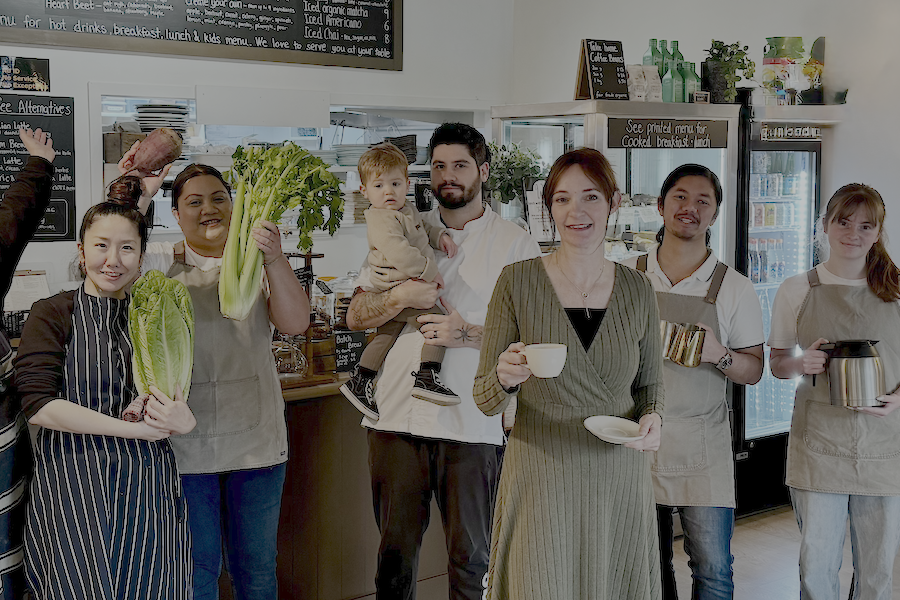
Taupō’s The Cozy Corner isn’t just a café, it’s a community hub where inclusivity, wellness, and sustainability meet. With a menu that caters to every dietary need, a great team culture, and a commitment to values-driven business, owner Camilla Baker has built an eco-friendly café that sets the standard for hospitality with heart.

The IP paradox: When IP helps and hinders entrepreneurship

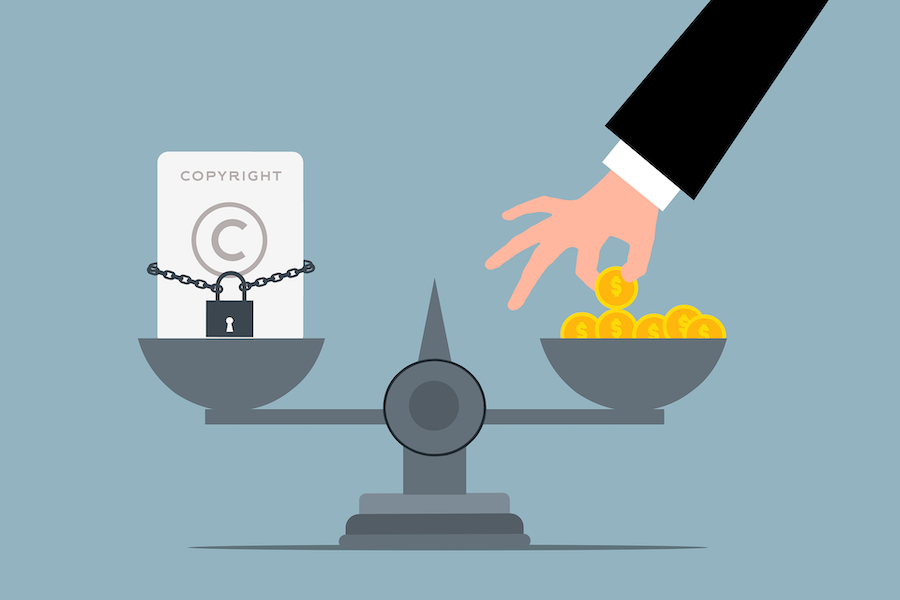
New Zealand research into scientist-entrepreneurs has identified an “IP paradox”: Intellectual property is seen as essential to start-up success, yet often experienced as a costly, complex barrier. Here’s what the findings mean for founders, investors and the wider SME community.

Forget the AI hype, follow the data

AI is having its “peak hype” moment, but beneath the noise there is a very practical question most New Zealand business owners are asking: Will this actually help my business run better, or is it just another shiny tech distraction?

Getting your SME business AI-ready

Most of the AI conversation right now is about what the technology will eventually do for everyone. Not much of it covers what you should actually start doing, this week, to make sure your business can use any of it. Let’s change that.


Turning personal experience into purpose

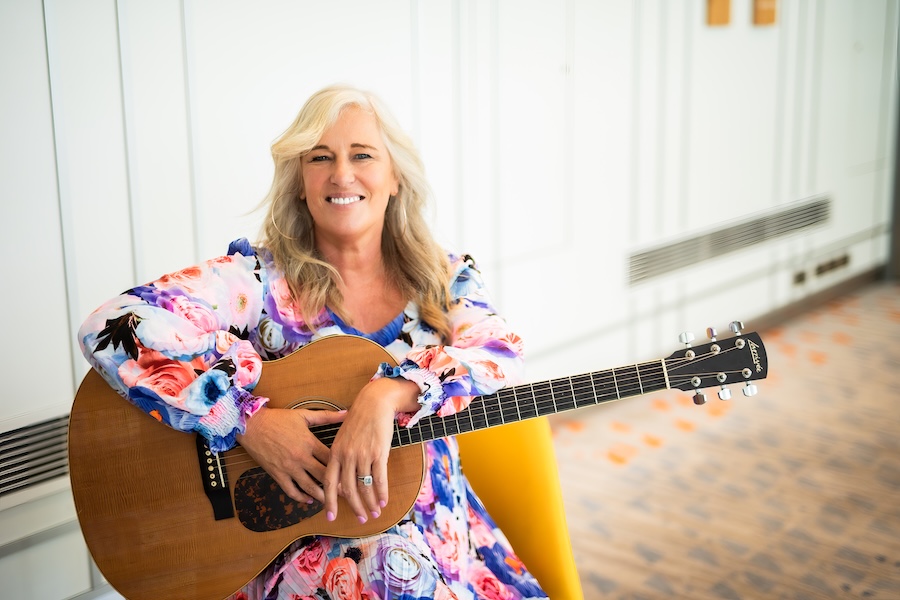
Keynote speaker, educator, author, recording artist and Solo Meo Award winner Julia Grace, has turned her mental health journey into inspiring talks, workshops, and performances across New Zealand and beyond. She’s also made a success of being an entrepreneur in the process.

Beyond survival

After a punishing economic cycle Kiwi businesses are emerging into something of a stabilisation period. Cautiously optimistic, past the worst, but with operating costs still biting and reinvestment held back. Why the next six months will define the recovery, and what business owners need to be doing in that period.

Glow and grow

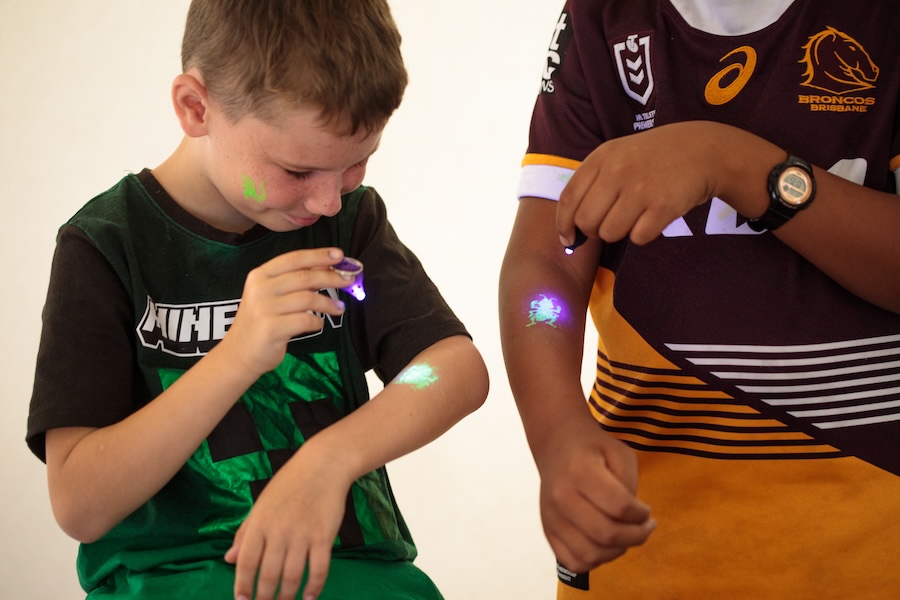
Turning a dreaded parenting challenge into a science-powered solution, ISpy Nits is making head lice detection accurate, stigma-free, and even fun for kids, and in the process earning Kate Ricketts a well-deserved David Award.

When hard work stops creating value

New Zealand’s productivity gap with countries like Finland isn’t about effort, it’s about clarity. Elliot Royce argues that as businesses grow, complexity quietly crowds out a shared understanding of what actually creates value, turning productivity into a symptom rather than the real problem.

open banking nz

Kiwibank flips the switch on open banking for SMEs

Kiwibank has become the first New Zealand bank to roll out open banking across all its digital channels for both individual and business customers, delivering most of the data‑sharing capability required by regulators six months ahead of its statutory deadline.

Finn Ross

Cashing in on carbon

New Zealand’s first voluntary carbon credit marketplace aims to restore native biodiversity and help the country reach its carbon zero goals by selling the first carbon credits exclusively from native forest. Climate change PhD candidate Finn Ross (pictured) is the young entrepreneurial founder of Carbonz (pronounced carbon zee). He says the foundation of the business is rooted in allowing Kiwi businesses and investors to maximise the impact of their carbon offsets via supporting native forest. “There is currently little liquidity in the New Zealand marketplace for carbon credits. Typically, carbon credits are sold in large blocks via the Emissions Trading Scheme with infrequent trades,” says Finn. “The existing Emissions Trading Scheme for carbon offset purchases is not well set up for

Simon Tate

Trust in brands drives consumer spending

Results from a recent Adobe study of more than 1,000 New Zealand consumers and 100 senior business leaders reveals a strong correlation between brand trust and consumer behaviour.  Among Kiwi consumers, 57 percent say they will stop purchasing from brands that break their trust, while the data shows consumers will spend more each year with trusted brands. When asked whether they consider digital or in-person experiences to be more important in driving trust, only 14 percent of New Zealand consumers favoured digital experiences, compared to more than a third of APAC consumers (35 percent). This compares to 35 percent who say that in-person experiences are more important as trust enablers, and 52 percent that say that both are equally important.

Prof Jarrod Haar (BEST WEB) 850 x 567

Covid cavalier or cautious? The impact of office anxiety

New AUT research reveals that half of Kiwi employees are suffering at least a moderate level of anxiety about returning to the workplace.  If the headlines are to be believed, most of us are ready to ditch the masks, return to the office, and get on with life and work in Covid times. Indeed, Tesla boss Elon Musk recently challenged his employees to get back to the office or resign.  Other leaders might be more tempered in their call for staff to work onsite, saying they want to rebuild a workplace culture that has crumbled during the pandemic. But new AUT research shows in New Zealand, half of Kiwi employees are suffering at least a moderate level of anxiety about