
Growing SMEs are more exposed to cyber-attacks, NCSC research finds
Growing past a handful of staff brings more customers, more systems and more revenue. New research suggests it also makes a business a bigger cyber target.


Growing past a handful of staff brings more customers, more systems and more revenue. New research suggests it also makes a business a bigger cyber target.
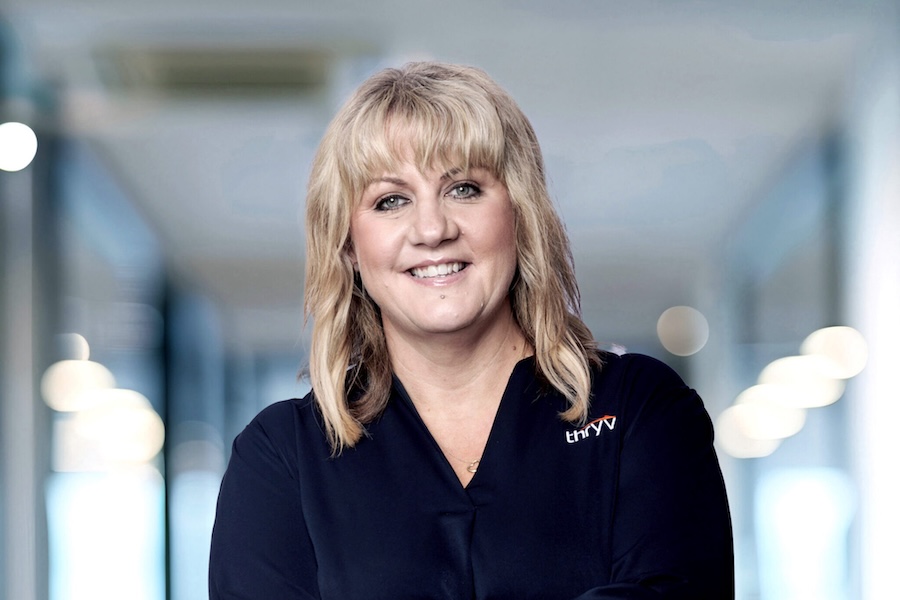
Many tradies and salon owners already spend money on marketing. The harder question is which of that spend actually brings in paying customers, and Thryv says its new platform can answer it.
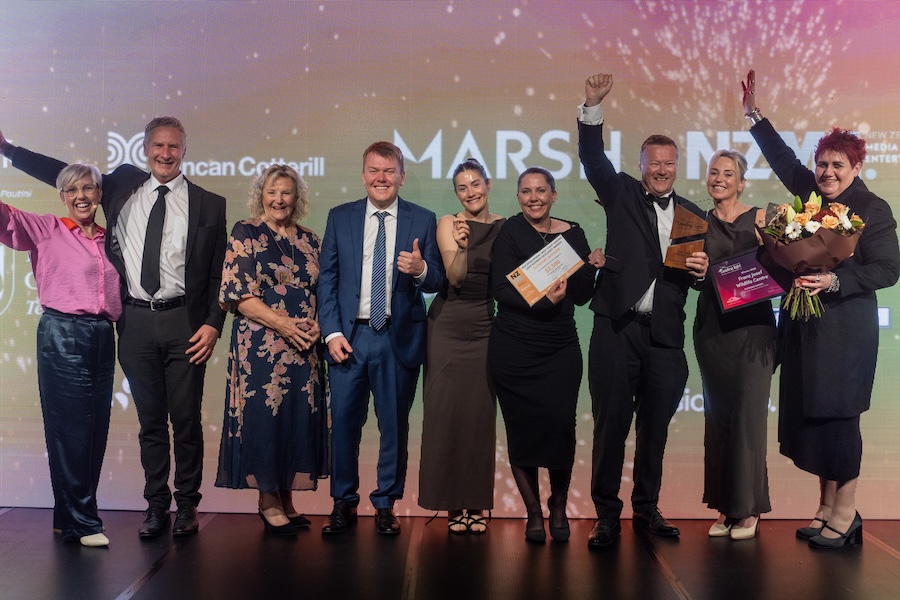
Franz Josef’s West Coast Wildlife Centre has been named the West Coast’s top business for 2026, winning the Development West Coast Supreme Award at the Leading Light Business Excellence Awards.

Finding the right funding for any business is never easy, but if you are the founder of an early-stage business pursuing a new, or perhaps untested, market the challenges are particularly complex. But, as Kiwibank’s General Manager of Business Banking Rod Morris tells NZBusiness, Kiwibank has stepped up to change the game for early-stage business founders with its new funding pathway, built to unlock opportunity and foster sustainable business growth.

Finalists are in, and with entries up nearly 50 percent on two years ago, The David Awards judges have never had a harder job.

Eric Clark, CEO of Manhattan Associates, believes complexity is becoming a permanent part of the operating environment. Clark discusses why that can create opportunity, what other industries can learn from retail, and how technology and AI can help businesses manage it.
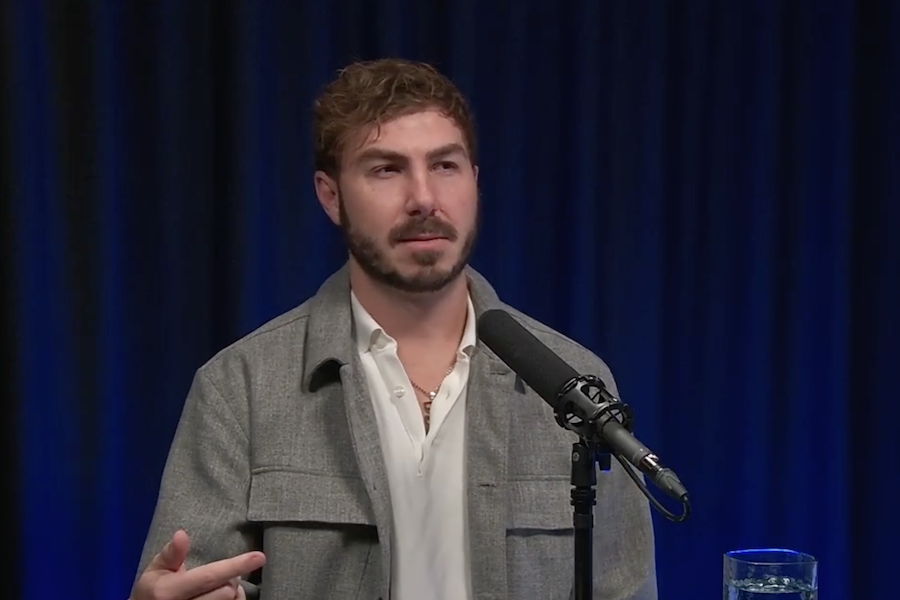
Two years after leaving corporate life, Josh Burgisser built Burgs Digital into a full-stack marketing agency. He talks to David Nothling-Demmer about the attention economy, why video isn’t optional for small businesses showing up online, and convincing his own father to become a client.

Kiwi innovation meets smart marketing. Telescopicgoal is transforming the way football is played and trained around the world, all with a clever, adjustable aluminium goal and a creative, targeted approach to reaching customers.
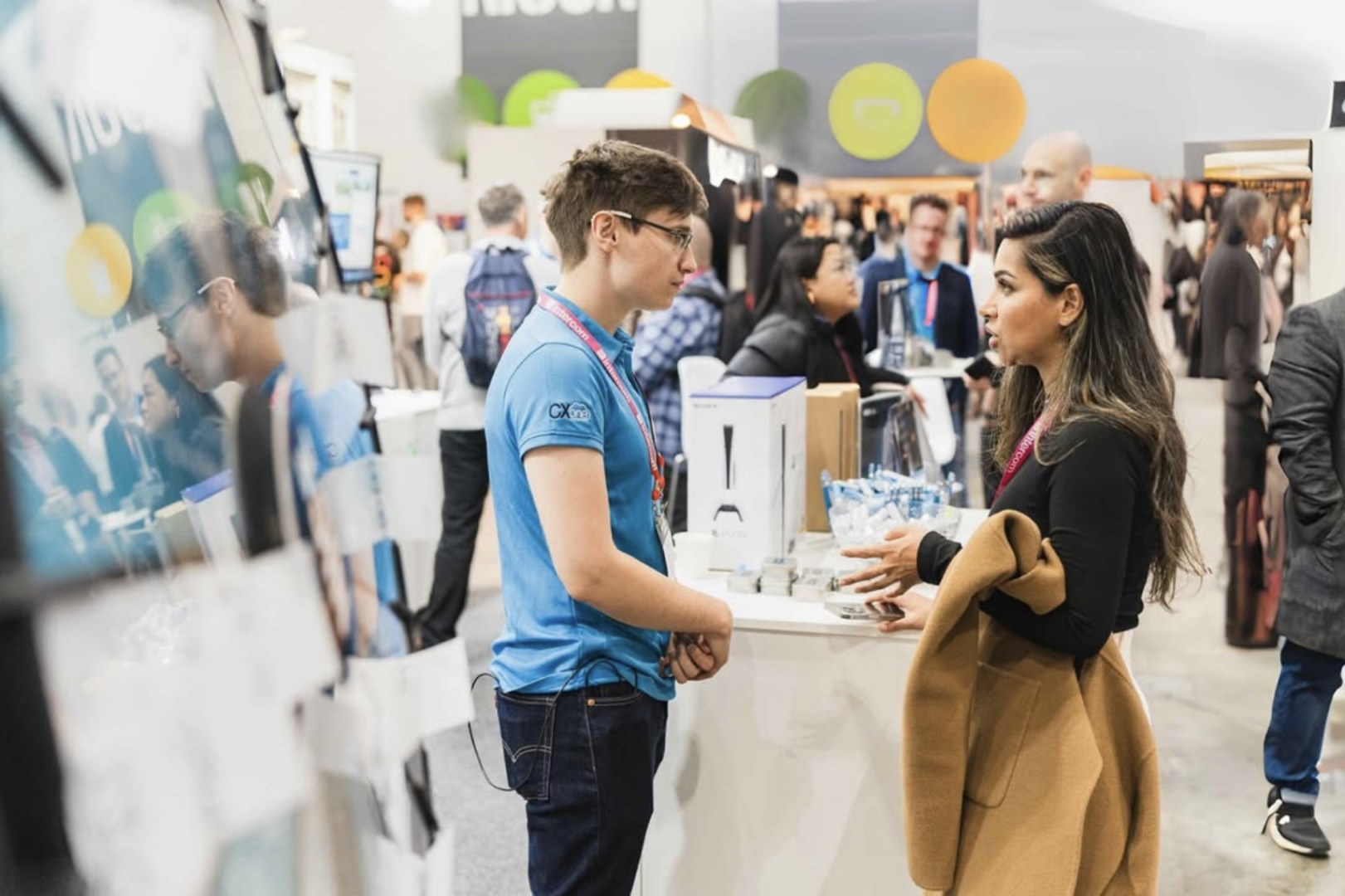
More than 60 exhibitors, 75 speakers, leading franchise brands and 1,600 attendees are expected at Due Drop Events Centre this September.

Where are they now? Brolly Sheets Founder Diane Hurford on 20 years of bed-wetting, bandanas and building a business that stuck.

Some of New Zealand’s most influential science, business and policy figures will gather in Auckland next week to grapple with a question that has dogged the country for decades: How does New Zealand turn its ideas into lasting prosperity?

Leading a multi-national company takes guts, hard work and determination but without good governance, structure, and processes there is risk for shareholders – no matter how hard you work.
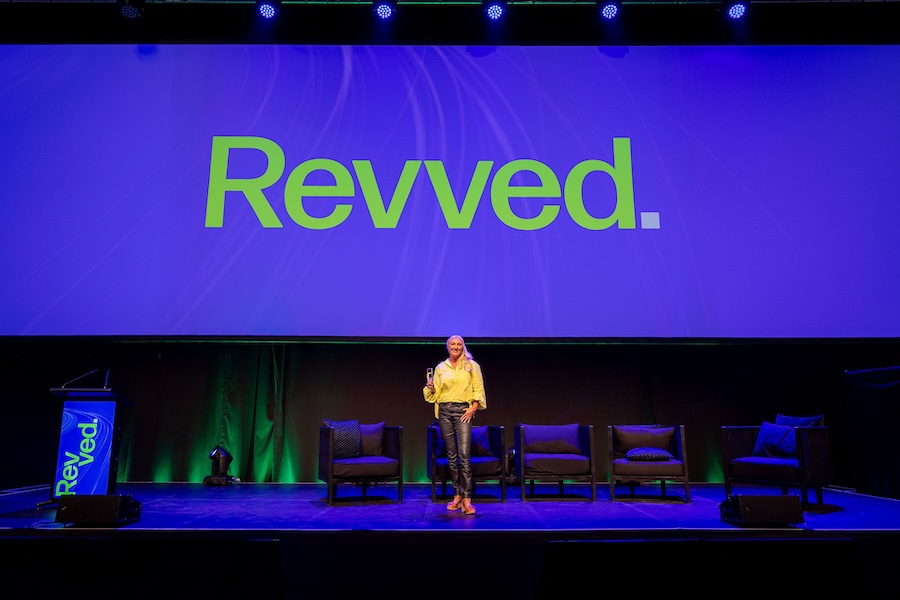
New Zealand’s leaders are shrinking their own ambitions in isolation. Revved Co-founder Rochelle Moffitt wants to put them in a room together instead.

Taupō’s The Cozy Corner isn’t just a café, it’s a community hub where inclusivity, wellness, and sustainability meet. With a menu that caters to every dietary need, a great team culture, and a commitment to values-driven business, owner Camilla Baker has built an eco-friendly café that sets the standard for hospitality with heart.

New Zealand small businesses are facing one of the biggest shifts in customer discovery since the rise of Google Search, as AI-powered tools change how consumers find, compare and choose who to hire.

More than 80 percent of people don’t independently verify AI-generated information. As AI becomes the first place customers go for answers, that trust is creating a new challenge for New Zealand businesses.

We’re told the economy and the environment are locked in a trade-off. Autex’s Jonathan Mountfort says that’s a false choice, and shows how circular thinking is already building a healthier version of both.

New Zealand research into scientist-entrepreneurs has identified an “IP paradox”: Intellectual property is seen as essential to start-up success, yet often experienced as a costly, complex barrier. Here’s what the findings mean for founders, investors and the wider SME community.

AI is having its “peak hype” moment, but beneath the noise there is a very practical question most New Zealand business owners are asking: Will this actually help my business run better, or is it just another shiny tech distraction?

Most of the AI conversation right now is about what the technology will eventually do for everyone. Not much of it covers what you should actually start doing, this week, to make sure your business can use any of it. Let’s change that.
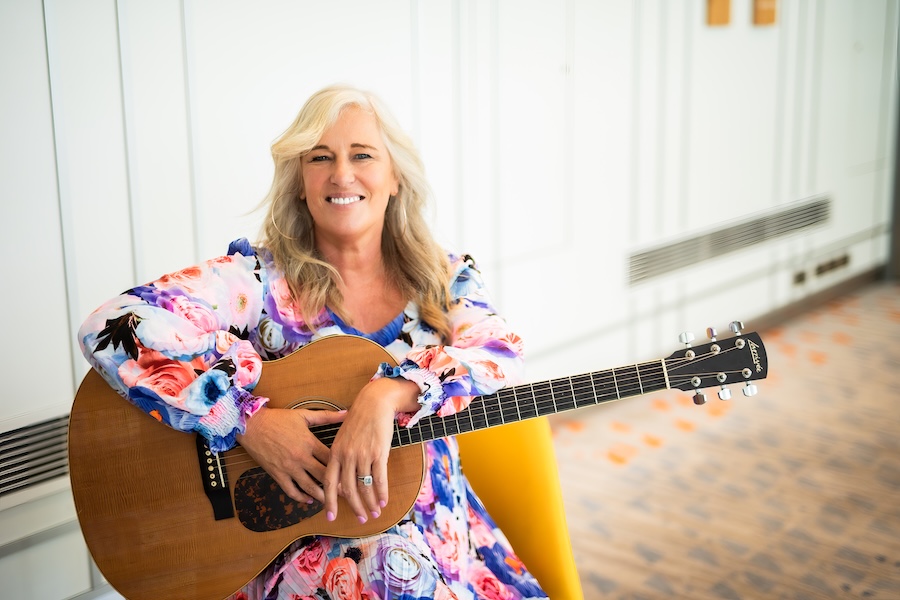
Keynote speaker, educator, author, recording artist and Solo Meo Award winner Julia Grace, has turned her mental health journey into inspiring talks, workshops, and performances across New Zealand and beyond. She’s also made a success of being an entrepreneur in the process.

Setting a big, bold goal feels like strategy. It isn’t. Ryan Sproull explains why picturing success can actually work against you, and what to do instead.

After a punishing economic cycle Kiwi businesses are emerging into something of a stabilisation period. Cautiously optimistic, past the worst, but with operating costs still biting and reinvestment held back. Why the next six months will define the recovery, and what business owners need to be doing in that period.

New data from Employment Hero shows New Zealand’s small and medium business sector continuing to add headcount in May, even as wage growth stalled completely on an annual basis, highlighting a labour market where businesses are growing cautiously rather than competing hard for talent on pay.
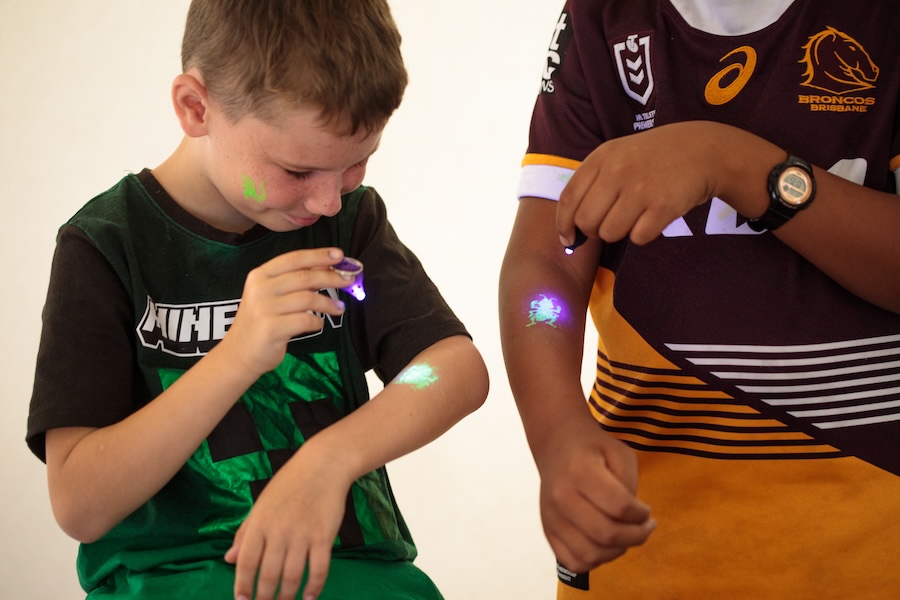
Turning a dreaded parenting challenge into a science-powered solution, ISpy Nits is making head lice detection accurate, stigma-free, and even fun for kids, and in the process earning Kate Ricketts a well-deserved David Award.

After burnout and a corporate career, Nikki Taylor started her own business at 44, and discovered that midlife isn’t a crisis, but a chance for clarity, on what kind of work, and life, actually fits.

New Zealand’s productivity gap with countries like Finland isn’t about effort, it’s about clarity. Elliot Royce argues that as businesses grow, complexity quietly crowds out a shared understanding of what actually creates value, turning productivity into a symptom rather than the real problem.

A pilot programme’s runaway demand has exposed just how many promising New Zealand startups are being turned away by traditional bank lending.

New Zealand’s sustainable innovators remain confident about growth, but a new report shows many are struggling to access the capital and conditions needed to actually scale.

New Zealand’s small business productivity has flatlined, with the country continuing to trail Australia and the UK, even as Deloitte’s latest CFO survey shows finance leaders remain confident about growing their businesses despite economic uncertainty.
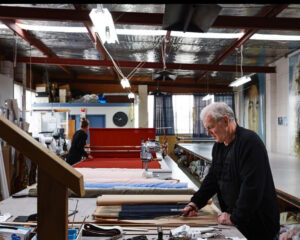
The Mindful Fashion New Zealand Climate Action Programme is an initiative designed to catalyse action and support the local industry on its decarbonisation journey. With the New Zealand clothing and textile industry predominantly made up of SMEs, Mindful Fashion has designed its programme to address common barriers to action these businesses typically face. Currently each business needs to embark on emissions measurement and reduction independently, with cost, time and knowledge significant barriers. The Mindful Fashion programme provides industry specific guidance and tools, support to participants during the measurement process, and workshops to collaborate on developing reduction strategies. One of the key takeaways from recent analysis is the New Zealand fashion industry’s desire to address its climate impact. Mindful Fashion Programme Director
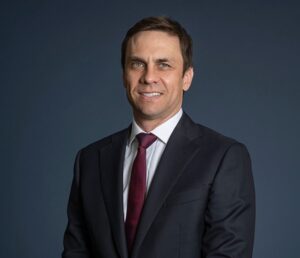
The process of selling a business is not straightforward, says Benjamin Sutton. But the key is to be better prepared, and here’s how. Navigating the steps involved requires good planning and a clear strategy. As another generation of business owners prepare to monetize all their hard work, below are our six top tips for mid-cap businesses and their owners as they prepare for sale. Tip 1 – Focus on your people: Identify those people who have the specialised knowledge and skills that are key to your business success and involve them in the sale process early. Consider incentivising them with some transaction-based incentives but if this is not possible aim to just support and excite them. For staff who have never experienced

Despite most businesses increasing wages over the past 12 months, new research reveals that around a third (32%) of SMEs are struggling to fill vacancies as the impacts of a tight labour market and high inflation send business confidence to near-record lows. The latest MYOB SME Snapshot – a survey of more than 500 local SMEs – has revealed that more than half (59%) of SMEs have increased wages but finding talent to fill job roles remains an ongoing struggle. Insights from the survey also showed that SME confidence in the economy has fallen to a level close to that recorded at the beginning of the first national lockdown in March 2022 (79%). Nearly three-quarters (72%) of SME owners and

Seequent has been named the PwC Hi-Tech Company of the Year at the 2022 NZ Hi-Tech Awards. The awards celebrate New Zealand’s most successful high-tech companies and the highest achieving individuals. Seequent CEO Graham Grant says he’s incredibly proud of the Seequent team, both present and past – who have worked with remarkable skill, focus and passion for building Seequent into a global subsurface software success story. “Ten years ago, we first entered the NZ HiTech Awards in the export category with a big vision. With a relentless focus on innovation, growth and being the best we can – we’re now thrilled to be named the NZ Hi-Tech Company of the Year after previous recognition as a finalist. “While we’ve

KidsCan and Pet Refuge founder Julie Chapman talks to NZBusiness about the challenges and rewards of running a business in the charity sector. Julie Chapman is one of New Zealand’s most successful leaders in the not-for-profit sector. She established KidsCan in her garage in 2005 starting with a $40,000 grant. KidsCan is now New Zealand’s leading children’s charity dedicating to providing the essentials to Kiwi kids affected by poverty, with annual revenue of over $20 million. Last year Julie established her second charity Pet Refuge which provides temporary shelter and care for pets affected by domestic violence, keeping them safe while their owners escape abuse. The charity has just celebrated its one-year anniversary. NZB: What prompted you to start Pet Refuge? Julie:
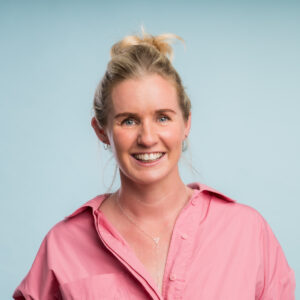
Samantha Gadd offers some advice on retaining employees in difficult times. There is no doubt the state of our economy and global headlines are top of mind for every business owner and leader. We are nervous about cost increases, reduced market confidence and rethinking our business strategies to ensure acceptable results in 2022/23. Employees are also nervous. The cost-of-living crisis is impacting every single New Zealander and unfortunately, I don’t think any business is immune from these challenges. A huge risk and cost for most employers is employee turnover. In this environment, we need to do whatever it takes to reduce this risk, and hang onto our people. Here are my tips for employee retention. Ensure your EVP (employee

Thursday 8 October 2026 | 5:00pm – 7:00pm
📍 GridAKL, 101, Pakenham Street West, Wynyard Quarter, Auckland
The David Awards 2026 winners are revealed live at GridAKL on 8 October, followed by a panel on building small businesses that punch above their weight. Finalist or not, get your free ticket to this informative and celebratory event.
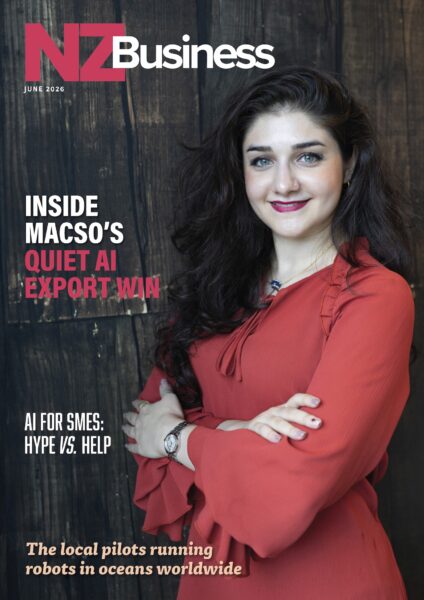
Practical AI insights, Kiwi tech innovators, and the tools helping Kiwi SMEs compete on a global stage. It’s all packed into this special tech issue of NZBusiness.