
Growing SMEs are more exposed to cyber-attacks, NCSC research finds
Growing past a handful of staff brings more customers, more systems and more revenue. New research suggests it also makes a business a bigger cyber target.


Growing past a handful of staff brings more customers, more systems and more revenue. New research suggests it also makes a business a bigger cyber target.
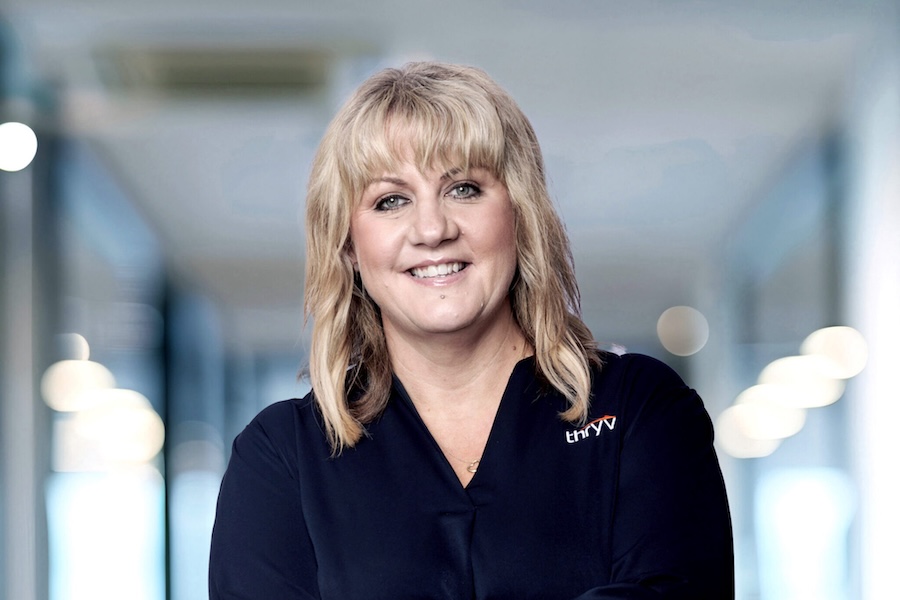
Many tradies and salon owners already spend money on marketing. The harder question is which of that spend actually brings in paying customers, and Thryv says its new platform can answer it.
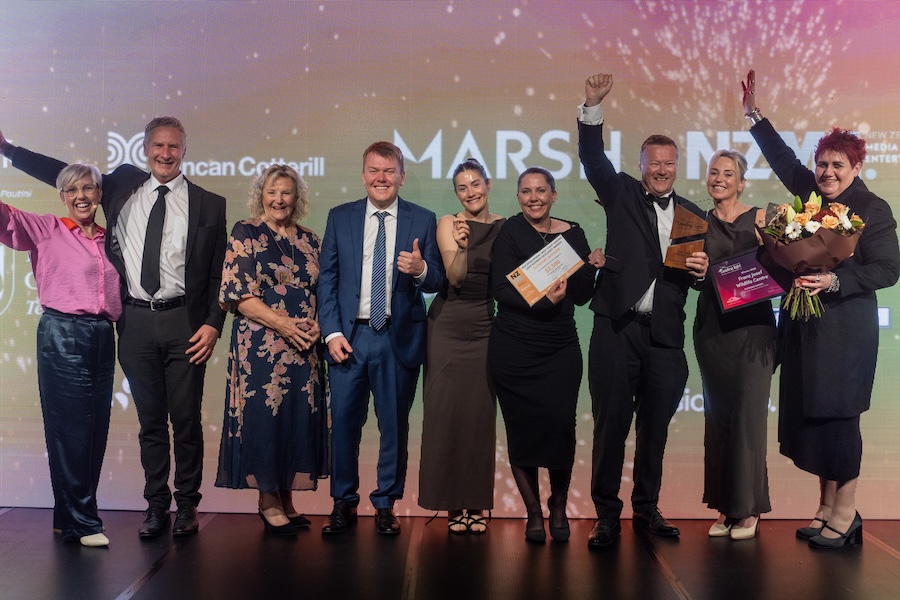
Franz Josef’s West Coast Wildlife Centre has been named the West Coast’s top business for 2026, winning the Development West Coast Supreme Award at the Leading Light Business Excellence Awards.

Finding the right funding for any business is never easy, but if you are the founder of an early-stage business pursuing a new, or perhaps untested, market the challenges are particularly complex. But, as Kiwibank’s General Manager of Business Banking Rod Morris tells NZBusiness, Kiwibank has stepped up to change the game for early-stage business founders with its new funding pathway, built to unlock opportunity and foster sustainable business growth.
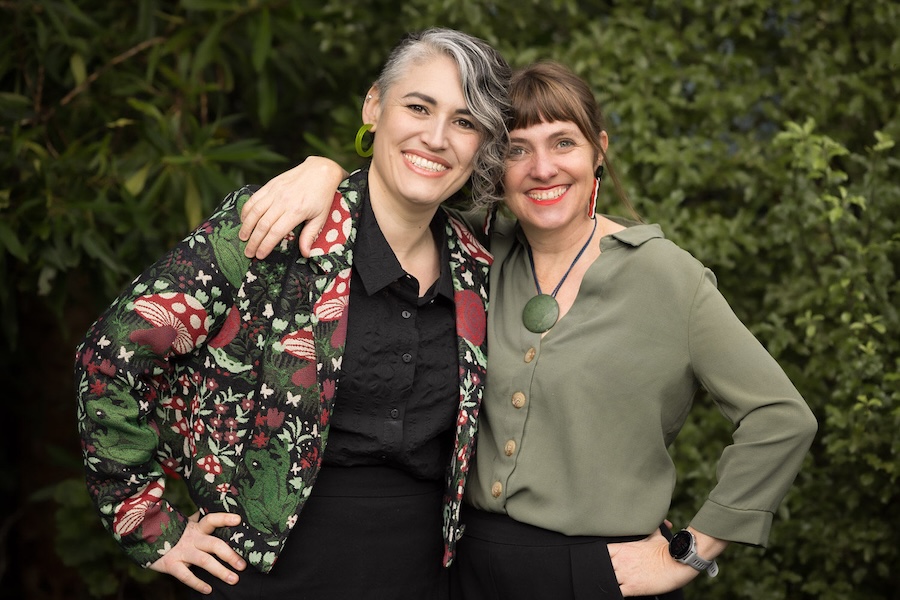
Finalists are in, and with entries up nearly 50 percent on two years ago, The David Awards judges have never had a harder job.

Eric Clark, CEO of Manhattan Associates, believes complexity is becoming a permanent part of the operating environment. Clark discusses why that can create opportunity, what other industries can learn from retail, and how technology and AI can help businesses manage it.
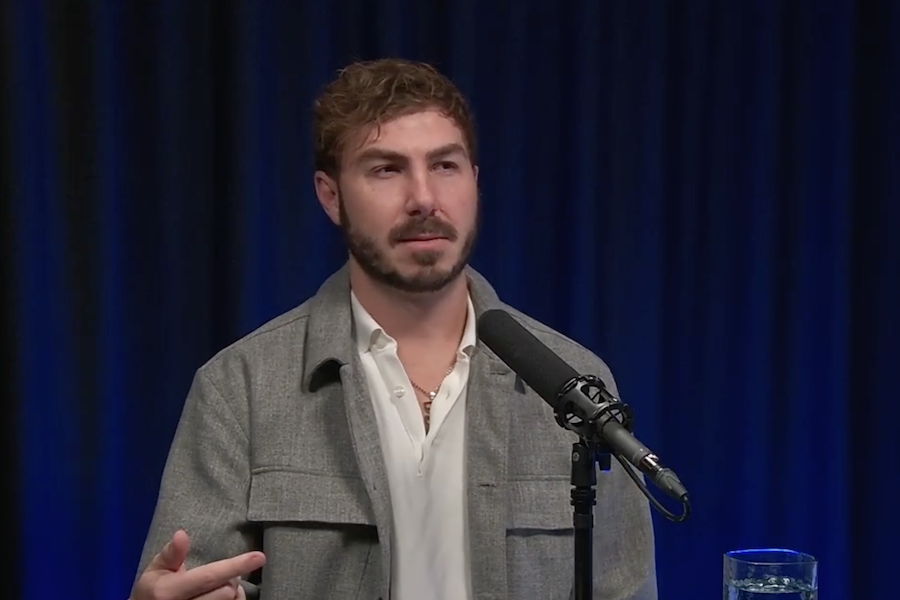
Two years after leaving corporate life, Josh Burgisser built Burgs Digital into a full-stack marketing agency. He talks to David Nothling-Demmer about the attention economy, why video isn’t optional for small businesses showing up online, and convincing his own father to become a client.

Kiwi innovation meets smart marketing. Telescopicgoal is transforming the way football is played and trained around the world, all with a clever, adjustable aluminium goal and a creative, targeted approach to reaching customers.
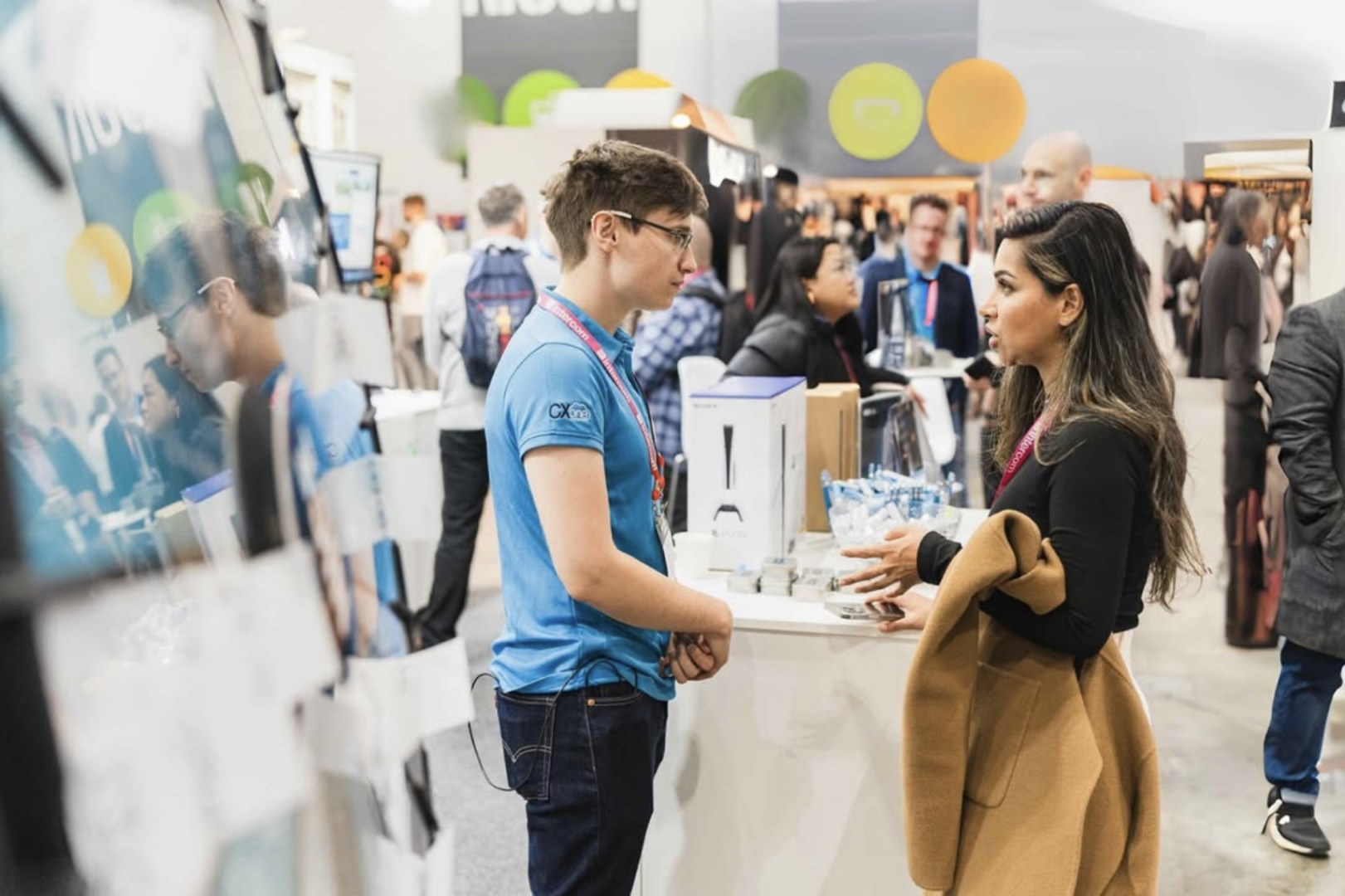
More than 60 exhibitors, 75 speakers, leading franchise brands and 1,600 attendees are expected at Due Drop Events Centre this September.
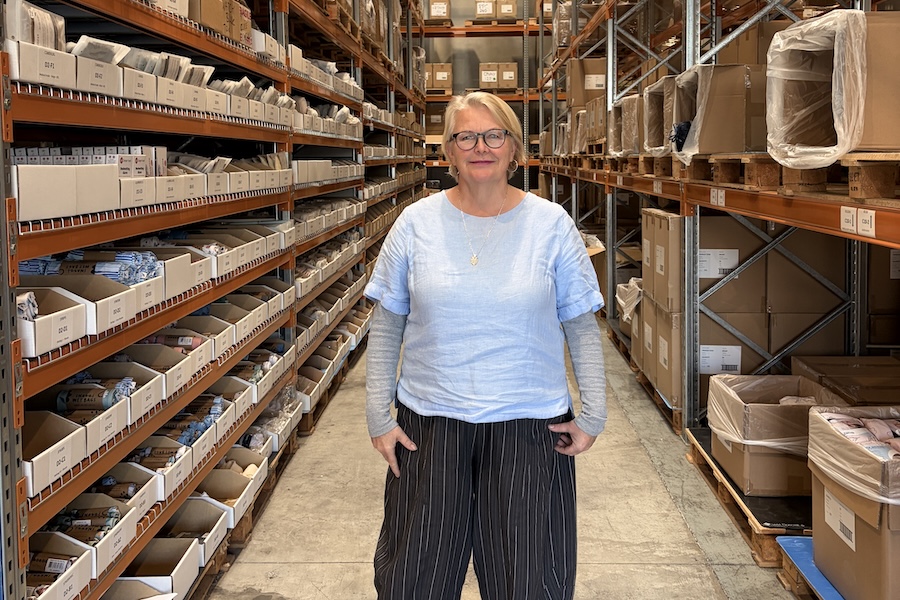
Where are they now? Brolly Sheets Founder Diane Hurford on 20 years of bed-wetting, bandanas and building a business that stuck.

Some of New Zealand’s most influential science, business and policy figures will gather in Auckland next week to grapple with a question that has dogged the country for decades: How does New Zealand turn its ideas into lasting prosperity?

Leading a multi-national company takes guts, hard work and determination but without good governance, structure, and processes there is risk for shareholders – no matter how hard you work.
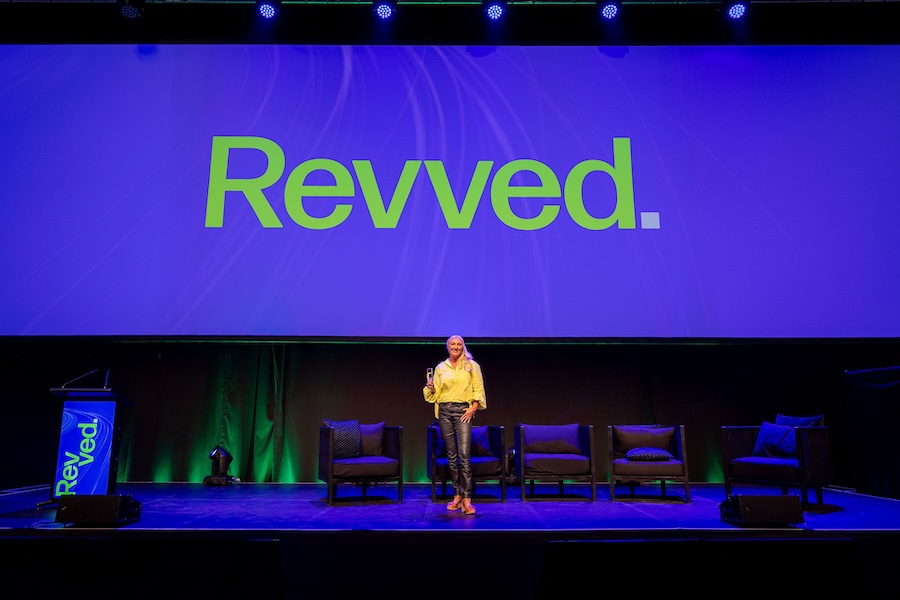
New Zealand’s leaders are shrinking their own ambitions in isolation. Revved Co-founder Rochelle Moffitt wants to put them in a room together instead.

Taupō’s The Cozy Corner isn’t just a café, it’s a community hub where inclusivity, wellness, and sustainability meet. With a menu that caters to every dietary need, a great team culture, and a commitment to values-driven business, owner Camilla Baker has built an eco-friendly café that sets the standard for hospitality with heart.

New Zealand small businesses are facing one of the biggest shifts in customer discovery since the rise of Google Search, as AI-powered tools change how consumers find, compare and choose who to hire.

More than 80 percent of people don’t independently verify AI-generated information. As AI becomes the first place customers go for answers, that trust is creating a new challenge for New Zealand businesses.

We’re told the economy and the environment are locked in a trade-off. Autex’s Jonathan Mountfort says that’s a false choice, and shows how circular thinking is already building a healthier version of both.

New Zealand research into scientist-entrepreneurs has identified an “IP paradox”: Intellectual property is seen as essential to start-up success, yet often experienced as a costly, complex barrier. Here’s what the findings mean for founders, investors and the wider SME community.

AI is having its “peak hype” moment, but beneath the noise there is a very practical question most New Zealand business owners are asking: Will this actually help my business run better, or is it just another shiny tech distraction?

Most of the AI conversation right now is about what the technology will eventually do for everyone. Not much of it covers what you should actually start doing, this week, to make sure your business can use any of it. Let’s change that.
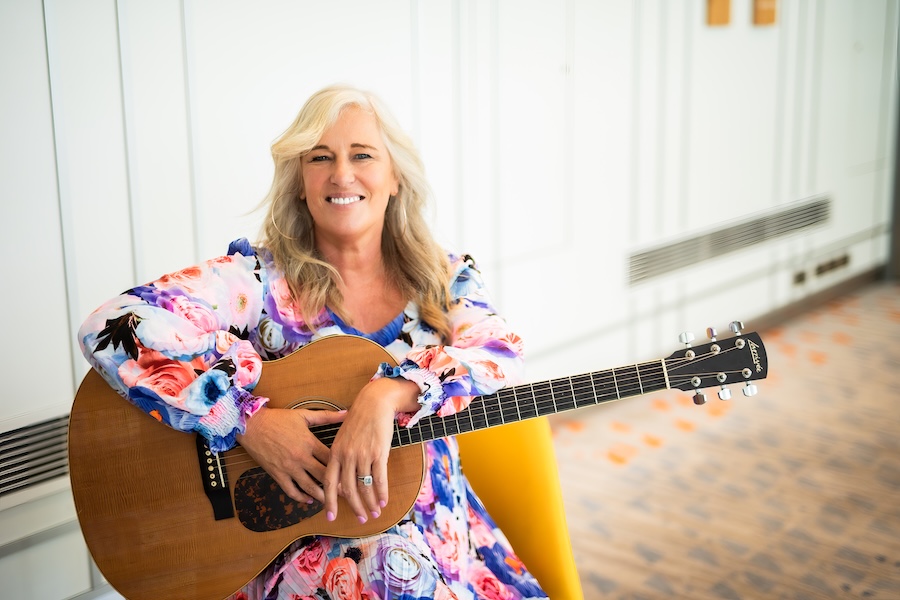
Keynote speaker, educator, author, recording artist and Solo Meo Award winner Julia Grace, has turned her mental health journey into inspiring talks, workshops, and performances across New Zealand and beyond. She’s also made a success of being an entrepreneur in the process.

Setting a big, bold goal feels like strategy. It isn’t. Ryan Sproull explains why picturing success can actually work against you, and what to do instead.

After a punishing economic cycle Kiwi businesses are emerging into something of a stabilisation period. Cautiously optimistic, past the worst, but with operating costs still biting and reinvestment held back. Why the next six months will define the recovery, and what business owners need to be doing in that period.

New data from Employment Hero shows New Zealand’s small and medium business sector continuing to add headcount in May, even as wage growth stalled completely on an annual basis, highlighting a labour market where businesses are growing cautiously rather than competing hard for talent on pay.
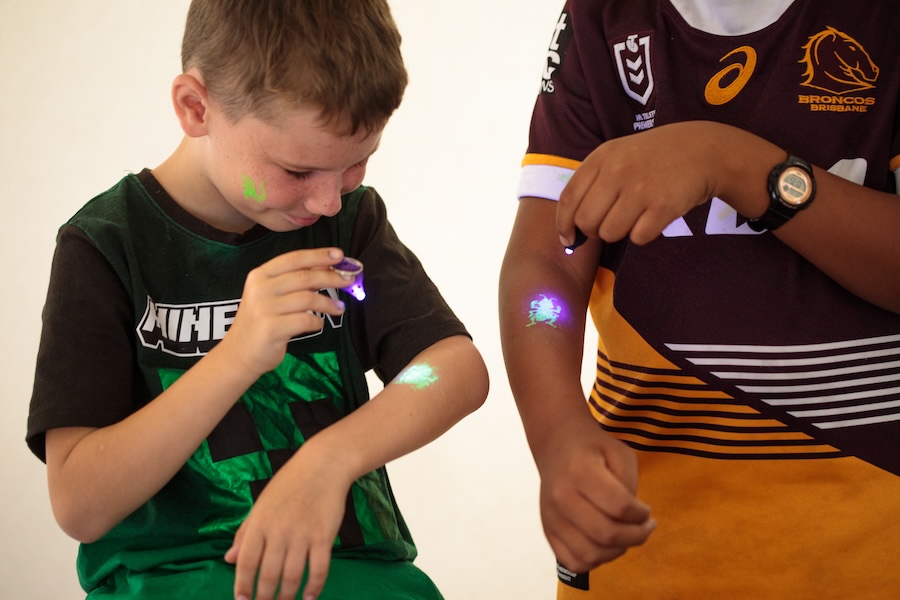
Turning a dreaded parenting challenge into a science-powered solution, ISpy Nits is making head lice detection accurate, stigma-free, and even fun for kids, and in the process earning Kate Ricketts a well-deserved David Award.

After burnout and a corporate career, Nikki Taylor started her own business at 44, and discovered that midlife isn’t a crisis, but a chance for clarity, on what kind of work, and life, actually fits.

New Zealand’s productivity gap with countries like Finland isn’t about effort, it’s about clarity. Elliot Royce argues that as businesses grow, complexity quietly crowds out a shared understanding of what actually creates value, turning productivity into a symptom rather than the real problem.

A pilot programme’s runaway demand has exposed just how many promising New Zealand startups are being turned away by traditional bank lending.

New Zealand’s sustainable innovators remain confident about growth, but a new report shows many are struggling to access the capital and conditions needed to actually scale.

New Zealand’s small business productivity has flatlined, with the country continuing to trail Australia and the UK, even as Deloitte’s latest CFO survey shows finance leaders remain confident about growing their businesses despite economic uncertainty.

Now is the time to start learning about Web3. Richard Conway explains what it means for you and your business. One thing that is hugely important to me as a business owner is to understand and utilise new technology in order to evolve our product offering and maintain a competitive advantage. It is for this reason that I recently started a new business in the Web3 space called Toru Creative, alongside Wendy Thompson, the founder of Socialites, and Omer Hazar (Web3 maven). Since we have launched the business, I have realised how many people have no idea what Web3, NFTs (non-fungible tokens) or DOAs (decentralized autonomous organisations) even are. Therefore, I have put together a brief summary of some of

Looking to boost the results performance of your salespeople? Logan Wedgwood identifies self-management and technology adoption as the key to success. Why is it that some salespeople seemingly have all the natural capability they could ask for, but lack the performance to bring results? Often, the answer is much simpler than assumed. It comes down to personal daily structure, sometimes referred to as ‘self-management’. It’s about how an individual sets themselves up for success every single day. And there’s no excuse for it, really. There are free or cost-effective tools all over the Internet to help with this. As an example, some of the areas one could explore include: A morning routine that sets one up well for the day.

Jo Douglas explains what one significant change to the Privacy Act means to the cross-border exchange of information on employees. As an employer, you will likely be involved in collecting personal information about those who work for you. This process of information gathering commonly starts at the interview stage and will carry on throughout the employment relationship. Information you hold about staff must be protected, and safeguards put in place to make sure that you manage the use and disclosure of that information only as necessary for a legitimate and lawful business purpose. With the common use of cloud-based services for processing information and centralised administrative processes for larger companies, it is possible that information may be transferred beyond

Mat Wylie explains how instilling a culture of customer retention and great experiences both empowers your team and boosts profits. There are few things more powerful to your business than delivering an exceptional experience and keeping your customers coming back. In fact, data from Frederick Reichheld of Bain & Company shows that increasing customer retention rates by just five percent can increase profits by up to 95 percent. That’s a solid foundation to get through leaner times, get an edge over competitors, and invest more back into your business. Having received and analysed more than six million pieces of feedback for our clients at Customer Radar, we know that it’s the customer experience that makes or breaks a business’s ability

A new support service has been launched to help Kiwi business owners get the tools and support they need to thrive. Small Business NZ (SBNZ) is an online platform launched recently that aims to provide community, connection and resources for small and micro businesses across the country. Because, let’s face it, running a business is hard. Often small business owners feel isolated, left trying to figure it all out alone. Despite the difficulties, New Zealand is a proud nation of small and micro business owners. Defined as a business with fewer than 20 employees, there are approximately 530,000 small businesses in Aotearoa, according to Statistics New Zealand and MBIE. This means small businesses make up 97 percent of all companies

If you were to write down the risks your small business currently faces, how many do you have protection for? And are you sure that protection will cover you if the worst were to happen? From reducing costs to working from home and moving operations online, New Zealand businesses have changed a lot since the start of the pandemic. And with more than three quarters of small business owners saying in a Vero industry survey that they plan to keep at least some of the changes, this appears to be the new normal. But despite the high level of changes to business, this isn’t reflected in updated business insurance. Some 20% have decreased their cover while 19% reduced the number

Thursday 8 October 2026 | 5:00pm – 7:00pm
📍 GridAKL, 101, Pakenham Street West, Wynyard Quarter, Auckland
The David Awards 2026 winners are revealed live at GridAKL on 8 October, followed by a panel on building small businesses that punch above their weight. Finalist or not, get your free ticket to this informative and celebratory event.
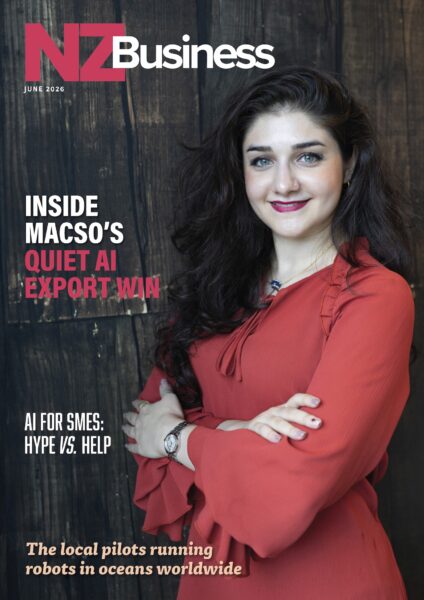
Practical AI insights, Kiwi tech innovators, and the tools helping Kiwi SMEs compete on a global stage. It’s all packed into this special tech issue of NZBusiness.