



New Zealand puts plenty of effort into getting young people into skilled work. Far less attention goes to what turns a skilled worker into an employer, a small business software executive argues ahead of International Men’s Day on 19 November.
“We talk extensively about developing the skills people need to enter the workforce. However, there is an equally important question about who will establish the businesses that employ them in the future,” says Elise Balsillie, head of Australia and New Zealand at Thryv.
Her argument is that technical skill gets a business started, but it is commercial know-how that keeps it going: finding customers, building relationships and understanding what actually drives revenue. Most owners pick that up from someone who has already done it, if they pick it up at all.
The stakes are high in an economy built on small firms. About 600,000 small businesses make up 97 percent of all New Zealand enterprises, and government figures cited by Thryv put the number of people they employ at around 680,000.
Tauranga’s Energy Services, an electrical and heat pump contractor working across the Bay of Plenty, shows what the pathway can look like. Shaun Wood completed his apprenticeship at the company, worked his way up and eventually took over from his father, Ken.
The business has since grown from three staff to more than 30, and the pattern is repeating a generation on. Project manager Steven “Patrick” Collins came through as a senior apprentice and now regularly trains and upskills the younger staff. The company says very low staff turnover has given it a pathway for growth.
Growth also brought the lesson Balsillie points to. With competition rising, word of mouth was no longer enough, so Wood put work into the company’s website, search visibility and social media. Energy Services has since had its two biggest years on record.
“We’ve found the work’s coming to us now so we can concentrate on running the business,” he says.
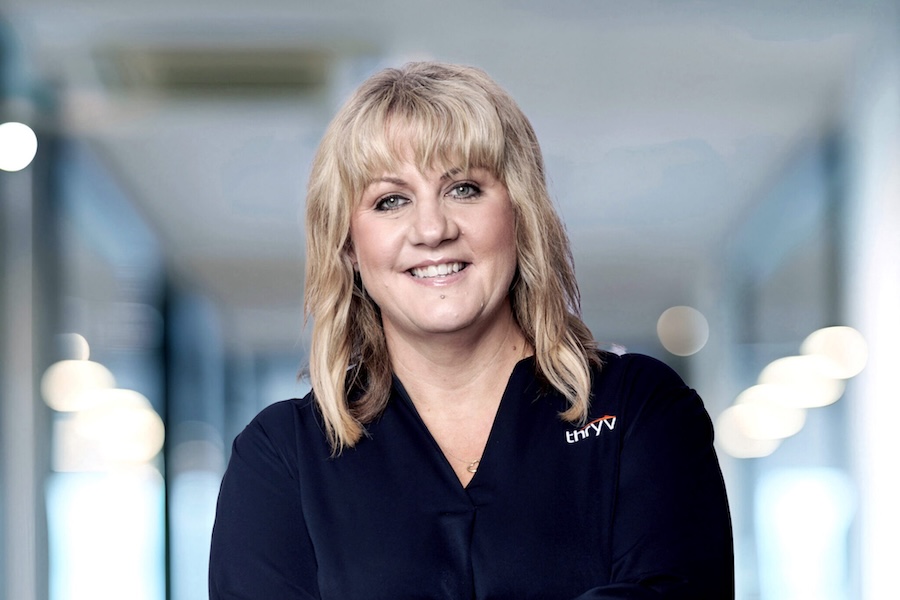
Elise Balsillie is Head of Thryv Australia and New Zealand.
For established owners, Balsillie says the opportunity sits with every hire. “When a business owner takes on an employee, they are giving someone the opportunity to develop their abilities, gain valuable experience and potentially pursue their own entrepreneurial ambitions.”
International Men’s Day this year is themed “The Future Is Everyone”. Balsillie says it is a prompt for established owners to pass on the commercial side of the job as well as the craft. “An apprentice learning a trade today could be employing ten people in a decade.”