


A survey of nearly 300 business owners and leaders across New Zealand has revealed 79 percent are implementing sustainable business practices – but there’s room for improvement.
Michael Worth, Grant Thornton New Zealand’s Sustainability & Impact Lead says that while efforts to become more sustainable are commendable, now is the time to for businesses to up the ante as the impacts of climate change continue to diminish the resources they use to deliver products and services.
“More than three quarters of the businesses we surveyed are taking action which is outstanding, however many are starting with low hanging fruit like reduced energy consumption (57%) and travel (49%).
“That’s understandable when the ways in which companies can tackle sustainability continue to advance way beyond reducing waste and sorting your recycling, and the cost of more sophisticated sustainability practices becomes a barrier – particularly when 64% of our respondents are not optimistic about the outlook for New Zealand’s economy over the next 12 months.
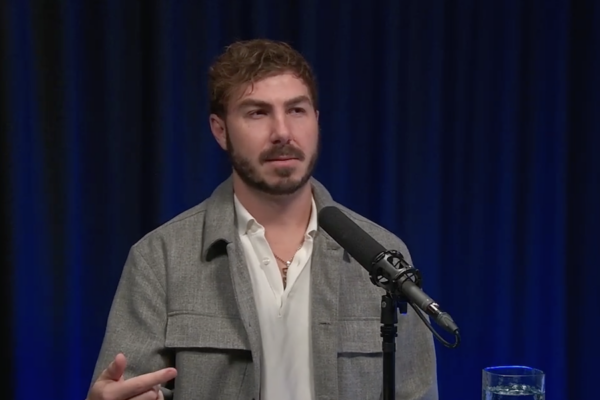
“However, the money saved through energy and travel reduction can be invested into next-level sustainability actions like reengineering your business to include the use of recycled resources in your products, implementing a product-as-a-service model, or even switching to rail and coastal shipping logistics,” says Worth (pictured below).
Funding is also available to supplement these savings and several products are now aimed at small businesses.
Worth says, “You no longer need to be turning over tens of millions to get funding; many of the major banks are offering sustainability-linked loans for projects like installing solar panels, buying EVs or planting native trees.
“And if you have a bigger project like swapping a fossil fuel boiler for an electric one, you may be able to access Government or local council funding”.
Business owners also need to step up on sustainability to remain competitive.
“In an increasingly cutthroat economic environment, businesses with strong sustainability credentials win contracts and customers. Sustainability is no longer an optional extra or a warm fuzzy for picky consumers. It’s a business imperative,” says Worth.
“For example, businesses providing services to Government and other parts of the public sector will already be thinking hard about sustainability.
“A few years ago, this category had a small weighting most RFPs, but now that weighting has become a pretty big chunk.
“Suppliers know they simply can’t win tenders without strong sustainability credentials; they need to be able to demonstrate how they’re positioning their business for long term sustainability.
“You can’t get away with ‘We bought some forestry offsets last week when we saw the RFP come through’, or you’ll soon lose out on business to another company that’s prepared to make the effort,” says Worth.
Read the full article here.