Sustainability

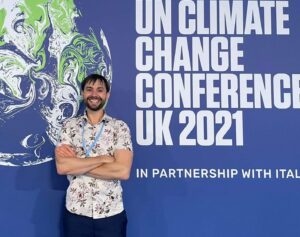
Dave Rouse at COP26

Was COP26 a COP-OUT?

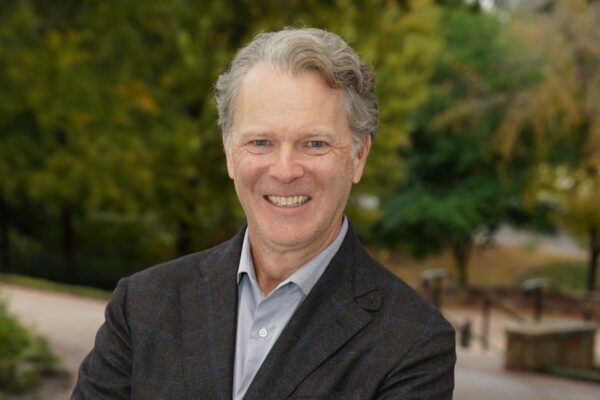
Dave Rouse attended COP26 and came away both inspired and disappointed. The tears of disappointment in the eyes of president Alok Sharma during his final speech, summed up the emotional rollercoaster that has been COP26. The challenge is upon us to solve climate change – our next generation is counting on us to act, especially now that we know our leaders can’t solve this alone. The reason many now call it “COP-OUT 26” is that the agreement COP is all about (Paris Agreement and now Glasgow Pact) is an agreement based on the lowest common denominator. Nobody wants to lose members – so when India says “we actually don’t want to commit to phasing out coal” the rest of the world

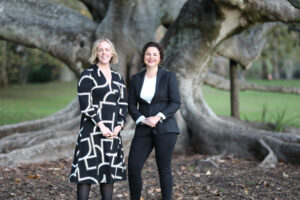
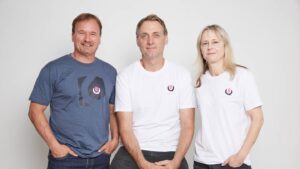
Sarah Harper & Aurelie De Cremiers

Businesses encouraged to prioritise ethics

A new ‘field guide’ to ethical leadership, with practical decision-making tools for leaders and teams, has been released, featuring well-known New Zealanders and leading global businesses.

Melting earth

Education, support needed for climate-concerned SMEs

A new survey by MYOB, has revealed a significant proportion of local businesses are concerned about the impact of climate change. While the majority are acting to minimise their carbon outputs, support and education is needed to help more SMEs do the same. The latest MYOB SME Snapshot found that overall, more than eight-in-10 (82 percent) of SMEs are concerned about the impact of climate change, with 43 percent very or extremely concerned. In contrast, 18 percent of SMEs polled said they are not concerned about climate change. Building on this concern, two thirds of SMEs said they believe New Zealand businesses have a responsibility and therefore should play a larger role in helping to mitigate climate change, while nearly 19 percent

Sealed Air Image_23 Nov

Building resilient food chains for a sustainable future

Alan Adams explores how supply chains and food packaging solutions can be optimized to dramatically reduce food wastage to the benefit of the New Zealand economy and the global climate.   Climate change action was at the top of the COP26 summit in Glasgow as leaders from some of the world’s biggest economies met to accelerate action towards the goals of the Paris Agreement. On home soil, New Zealand has pledged to halve its net greenhouse gas emissions by 2030. Reducing food waste can play a key role in helping the country to meet its pledge as about 9% of New Zealand’s biogenic methane emissions and 4% of total greenhouse gas emissions are from food and organic waste(link is external). Currently,

Kirsten Patterson, CE Institute of Directors of New Zealand

Brand under fire: saving face when your reputation’s on the line

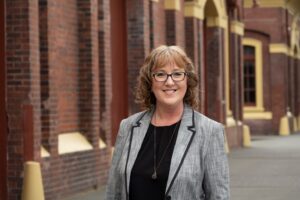
Building a strong brand reputation comes from good communication. This can mean the difference between customers and stakeholders forgiving a company for their mistakes, says Kirsten Patterson. When a business comes under attack for anything from sexual harassment in the workplace to racial discrimination, underpaying staff, or overcharging customers through false advertising, it can be earth shattering for directors whose instinct might be to run for cover in the hope of protecting themselves from falling media debris when stories start hitting news headlines and Twitter feeds. And, dealing with a crisis at a time when the world is under pressure from a global pandemic can compound the problem. Kirsten Patterson (pictured), CEO of the Institute of Directors (IoD), a not-for-profit organisation that provides

Quantiful

QU software a key link between efficiency and sustainability

QU forecasting technology software and support can spur the process of waste reduction, promote efficient practices, and empower people with data, enabling them to act with confidence on their sustainability promises. There is growing concern at the degradation of our natural resources and the risks and uncertainties this presents to future generations of New Zealanders. Initiatives and partnerships are needed to make a difference in combating climate change and building a more sustainable future. Supply chain risks and opportunities need to be monitored and managed, as an essential element of the ongoing effort to protect NZ’s natural capital and resources. Business leaders, aware that sustainability transformation is underway globally, and knowing they need to think smarter about how they are using their

Stay ahead with NZBusiness

Get practical insights, expert advice, and the latest from New Zealand’s SME community — delivered straight to your inbox in our fortnightly newsletter. Plus, access our latest digital issues anytime.