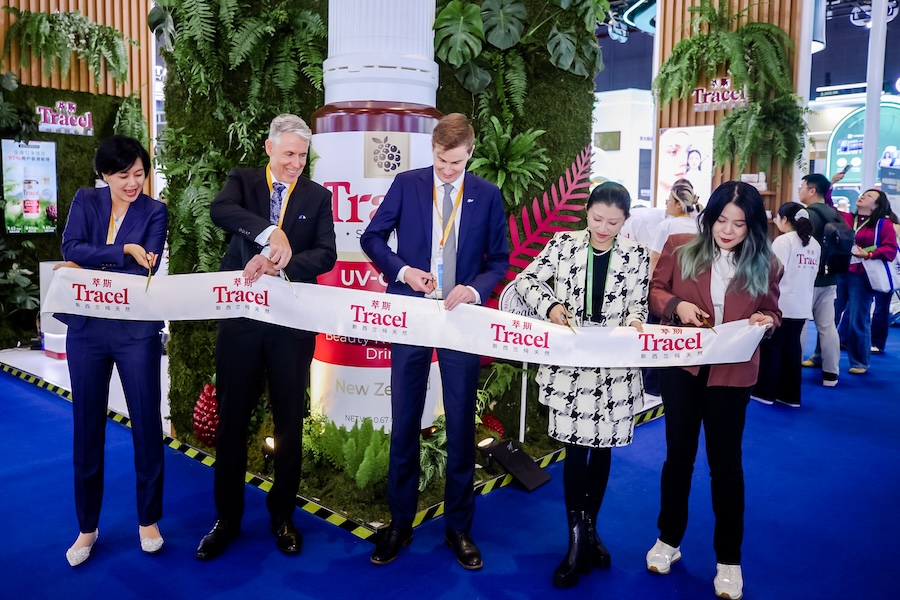
Tracel showcases New Zealand’s natural health expertise at CIIE
New Zealand natural health brand Tracel is taking its wellness mission global, showcasing innovation and transparency at CIIE.


New Zealand natural health brand Tracel is taking its wellness mission global, showcasing innovation and transparency at CIIE.

As global trade uncertainty rattles traditional alliances Paul Beare explores why more New Zealand businesses are setting up shop in the UK.

Jason Cooney addresses the challenges and strategies for New Zealand companies looking to win Government contracts in the UK and Europe. New Zealand companies are increasingly looking to the UK and Europe to expand their businesses and secure private sector and government contracts. However, they face many challenges, particularly regarding localisation, and must employ innovative as well as tried-and-tested strategies to overcome them. The entity structure conundrum One of the foremost challenges for Kiwi companies vying for government contracts in the UK and Europe revolves around entity structure. Many government tenders stipulate the necessity for a local entity to bid, creating a hurdle for international players. New Zealand companies navigate this challenge by: a. Opening a local office: Setting up
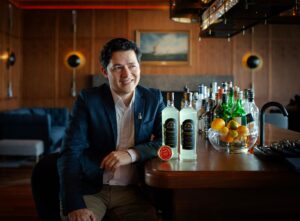
Chef Luis Cabrera’s business journey has been nothing short of a culinary odyssey, leading to the creation of a product with export potential. You may already be familiar with Chef Luis Cabrera. The former owner of the acclaimed Besos Latinos Restaurant and Ceviche Bar in Auckland, was born in Jalisco, Mexico, the birthplace of tequila. Luis embarked on a culinary adventure that took him from the enchanting canals of Venice, where he honed his skills in the art of cooking, to top restaurants and hotels in Mexico City, Boston, Dublin, Milan, Venice, and Sydney. However, it was in New Zealand, more than a decade ago, that Luis decided to make his home. Throughout his extensive culinary career, Luis dedicated more

A new startup launched by the founder of Ethique, New Zealand’s largest regenerative beauty product export business, is set to cut the global use of single-use plastic drink bottles by tens of millions every year. Brianne West stepped down as Ethique CEO earlier this year, a decade after starting the $100 million business in her kitchen as a 24-year-old biochemistry student. West’s new social enterprise aims to take on the $1.44 trillion beverage market which produces over 583 billion single-use plastic bottles annually, with less than 10 percent of these recycled.[1][2] The new venture will produce concentrated effervescent drink mixers in the shape of a circular tablet which on contact with liquids such as water dissolve to release flavouring. Each
For the fifth consecutive year, Incite has surveyed more than 2,500 F&B importer/distributor contacts across Southeast and North Asia for their insights on the state of the sector. The top distributors across this region are presented with new opportunities multiple times weekly, but less than 25 percent of brands are successful in getting their attention. In this special virtual event on Wednesday November 22nd major distributors across Singapore, Malaysia, Thailand, the Philippines, Vietnam, Indonesia, Hong Kong, Taiwan and South Korea will share their insights on: Whether they are currently open to reviewing new distribution opportunities. In-demand and trending product categories. The most important factors when assessing new distribution opportunities in these markets. The most effective marketing activities for grocery brands. The biggest

Hawkes Bay babyfood manufacturer Norish is using equity crowdfunding to help it take its healthy baby food to offshore markets. Hawkes Bay clinical nutritionist and mother of four Gina Urlich is on a mission to feed Kiwi babies nutritious food, saying too much of it is working against, not for their health. She has developed a range of quick, easy, nutritious baby foods, in puree sachets, under the brand name Norish that are currently available in 35 stores around New Zealand. The foods are freeze-dried, to capture nutrition and taste. “New research says 67% of baby and toddler foods in New Zealand and Australian supermarkets fail to meet seven nutrition recommendations set by the World Health Organization’s (WHO) European office,”
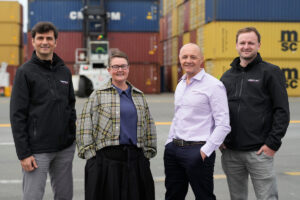
The official launch of the Viewpoint Supply Chain is underway, bringing a new level of integrated logistics across a significant portion of the North Island. “Eighteen months ago, Napier Port began testing customer demand for a North Island-focused supply chain service that offered a personalised, tailored approach to warehousing and logistics,” says Napier Port CEO Todd Dawson. “Off the back of recent years’ supply chain disruptions, importers, exporters and freight forwarders had been telling us for a long time that their pain points were around efficiency, wasted time and cost, and lack of flexibility and responsiveness when moving cargo between distribution centres and ports. “We set out to change that by matching the visibility Napier Port has over shipping logistics,

Wednesday 11 November 2026 | 7:00am – 9:30am
📍 New Zealand International Convention Centre, 101 Hobson Street, Auckland
One week after the election, Ready to Rise returns for ‘After the Result’ to help Kiwi SME owners plan ahead for their next bold move, and hard-won growth. Get your tickets for this must-attend business breakfast.
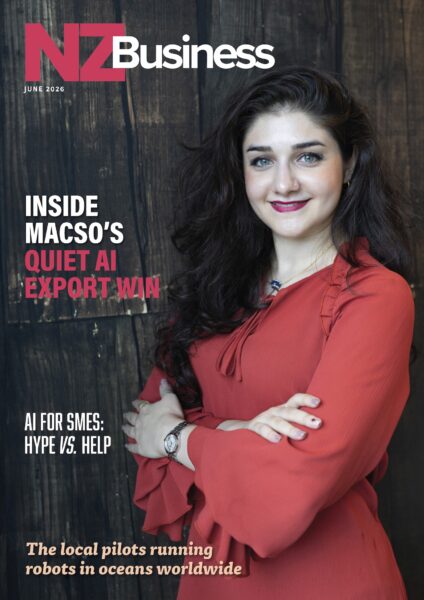
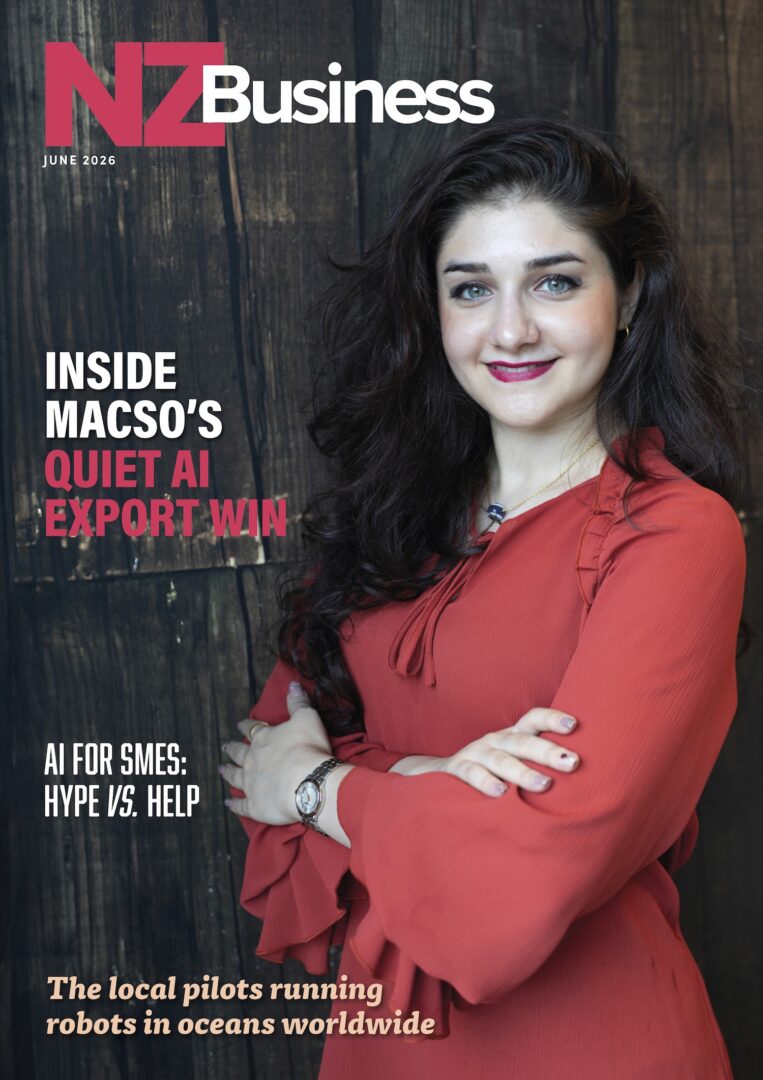
Practical AI insights, Kiwi tech innovators, and the tools helping Kiwi SMEs compete on a global stage. It’s all packed into this special tech issue of NZBusiness.