

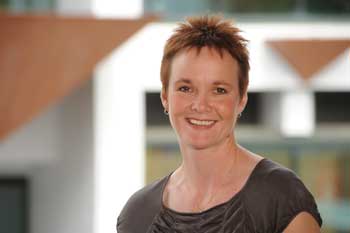

| I was a bit in the dark about LinkedIn. As with anything new it’s easy to be a little sceptical. Is it really as good for business as people make out? Should business owners invest the time and effort in establishing and managing a site, when they’re already hard-pressed to get everything else done in their business? A few minutes with Linda Coles should wipe away any doubts. Coles, who operates a website advisory and social media training company under the name of Blue Banana [email protected], admits she’s on a crusade to educate Kiwi business owners that social media (she prefers to call it ‘online networking’) can be a powerful tool for developing business. You just have to go about it the right way. Her personal goal is to educate 10,000 New Zealand businesses on the merits of social media by 2015. So what exactly is LinkedIn? Coles describes it as the largest business-to-business networking site in the world. It has been around since 2003, is free to join, and at last count had more than 55 million members with 170,000 in New Zealand. “It’s essentially a mini-website all about you,” says Coles. “For business owners it’s about education and networking – learning from others, and others learning from you. It’s where you can have your questions answered, it’s where solid business relationships are formed, and, perhaps most important of all, it’s where leads and sales are generated – through solid word of mouth referrals. “Unlike traditional face-to-face networking, LinkedIn allows you to speak to a lot of people over a very short period of time. People you wouldn’t normally be in touch with.” Setting up your LinkedIn profile is quite straight-forward, says Coles, just follow the steps and allow yourself plenty of time. “Stick to first-person, not third-person – you’re describing who you are, what you do, and, most importantly, your point of difference in what you do.” You can add various applications too – such as your blog site, Amazon (to describe books you’re reading), slides and videos (to show products you represent). “You’ll also need to refresh your profile every few months and change your ‘status update’ every two or three days. The status update highlights what you’re involved with right at the moment and pops up on peoples’ LinkedIn home pages.” Coles likens it to a rolling newsletter. Once you’re totally happy with your profile it’s time to start connecting. Start with people you know – export your Outlook database to your site (using the export prompt), and LinkedIn will conveniently tell you which contacts already have a LinkedIn page. You’ll also need to source recommendations for your profile page – people you’ve done business with who’ll be happy to pen some glowing words about you. Coles calls them “the silent salespeople” and their value is “virtually priceless”. You should aim for at least 20 good ones. “They will sell your company better than you can, and are more believable.” The final step is to join appropriate groups – you’ll find a Group Directory on the LinkedIn site. Be sure to include general business categories – not just those specific to your industry. Then click the ‘start discussion’ button and you’re away. The main criteria when choosing which groups to join, suggests Coles, is whether they can be of use to you or your business. Or will their network be of use to you? “All businesses should have a LinkedIn profile,” says Coles. “Even small retailers, but service businesses such as consultants, marketers and financiers have the opportunity to really add value to the groups by giving information and support, and therefore being seen as an expert.” She says having a LinkedIn site is about making yourself ‘top of mind’ with prospects – constantly building rapport. But it needn’t consume your life – in the first 90 days she recommends spending 30 minutes a day either taking part in discussions or initiating discussions, or commenting on other peoples’ status updates. If you’re using the old excuse of no time, Coles response is that you need to create a new habit. “Just like you find time to regularly open email, you need to manage your LinkedIn site.” Promote your site at every opportunity she says. “Don’t hide it; paste it with your email signature for example.” Proof it works In addition to her own networking experience with LinkedIn, Coles has plenty of evidence from others that the site has definite benefits for business. Crispin Garden-Webster, an organisational psychologist and development consultant, uses the site for “robust and real time” professional dialogue within his local and international community of practice. “In real practical terms these conversations have introduced to me new ways of looking at the consulting issues I face day to day. None of us are as smart as all of us and I could not have made these connections without the reach and richness of content that social media like LinkedIn facilitates.” Galia BaHava-Monteith, co-founder of Professionelle.co.nz, an online resource for professional women, started on LinkedIn as a private professional, and as the site’s functionality increased realised the potential it had to supplement their website offer. By running a Professionelle LinkedIn group they effectively have a free message board for news and discussions as well as a member profile tool. |
“Our website offers a wealth of resources, content and material for professional working women,” says BaHava-Monteith. “LinkedIn offers members a way to link their profiles to our group and so browse each others’ profiles and personally connect if they wish to.
|