

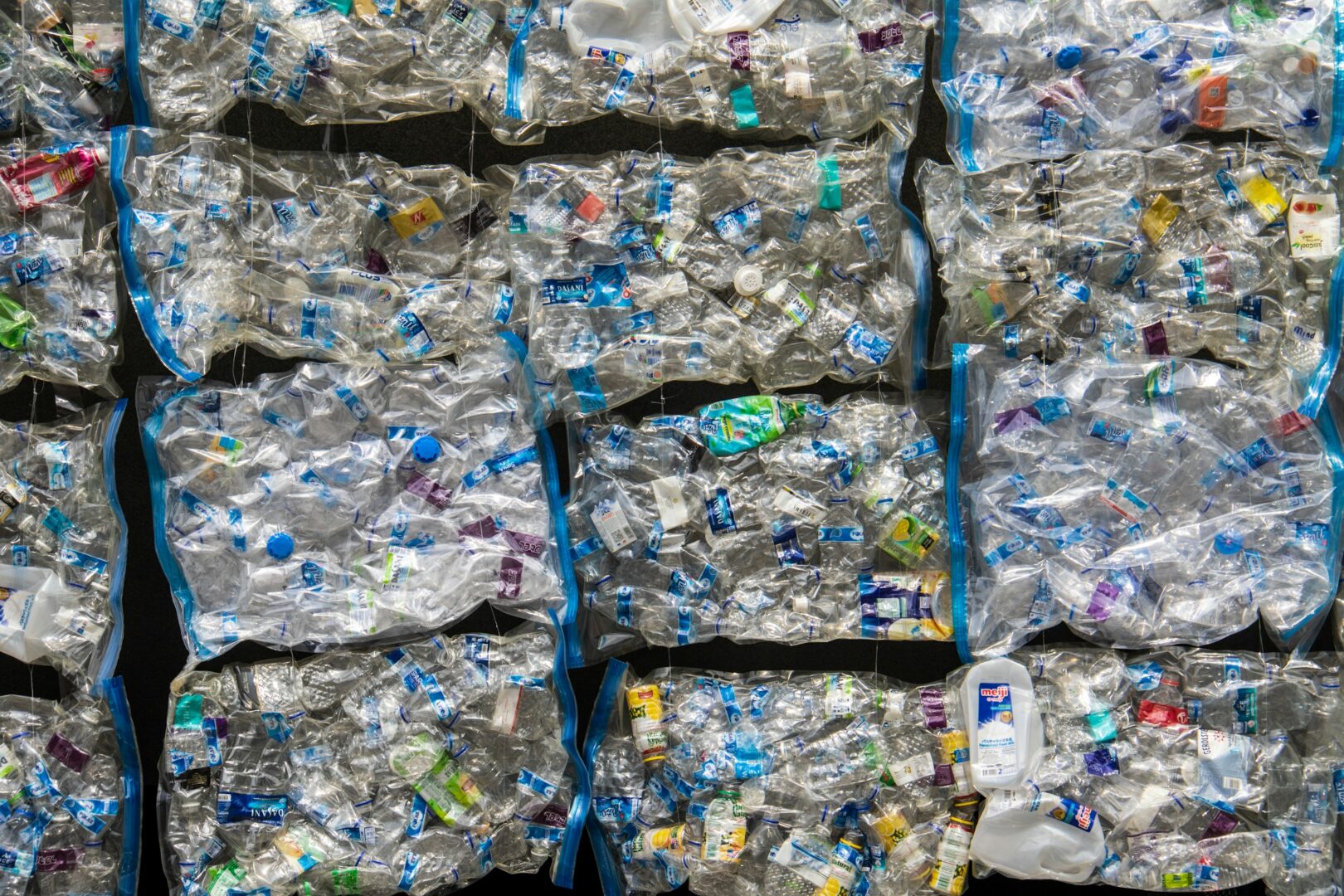

New Zealand’s primary food sector is full of tensions. On one hand, businesses face the challenge of moving away from hard-to-recycle and single-use plastics, a shift increasingly expected by environmentally conscious consumers.
On the other hand, they are operating in a tightening regulatory landscape, with significant compliance costs and expensive investment in the systems needed to meet growing demand for sustainable products.
As a result, New Zealand companies must balance the economic pressures of rising operating costs and price-sensitive consumers against growing social and cultural demands to adopt eco-friendly packaging. They must do so while coordinating complex supply chains and meeting non-negotiable food safety standards.
Each material brings its own challenges. Plastics cause long-lasting waste and microplastic contamination, and complex laminates and banned PVC are hard to recycle. Paper and cardboard carry risks from PFAS, the so-called forever chemicals, and are excluded from kerbside food scrap collections because of soil leaching and health concerns. Glass is heavy, driving up transport emissions and fuel costs.
Most businesses here lack effective strategies to manage these tensions, and New Zealand lags behind other countries, including Australia, Brazil, France and Hong Kong. Despite the country’s ‘clean, green’ brand, 57% of packaging here is not recyclable, a reality made worse by poor waste-management strategies.
Given that food production is New Zealand’s most important industry, companies face particular challenges in reducing and repurposing the plastic, glass, paper and cardboard packaging used in agriculture, horticulture and aquaculture.
How, then, can businesses address packaging tensions ethically and effectively? Our new research offers four recommendations.
1. Find the balance
Businesses should start by questioning how sustainable their current packaging really is, whether plastic, glass, paper or cardboard, by weighing some key trade-offs: environmental versus social impact, and economic versus social impact.
For example, making paper and cardboard takes a lot of energy, which increases carbon emissions. But it also protects fruit during transport and can be recycled afterwards.
2. Embrace the tensions
It is impossible to get rid of existing packaging materials altogether, so businesses need to embrace the tensions between them and consider how to repurpose different materials to meet the different needs of their customers.
Some businesses use several packaging materials at once. For example, they use plastic to package individual cuts of meat to maintain freshness and prevent freezer burn, and cardboard boxes for bulk or larger orders. They may also use vacuum-sealed pouches or trays within the box.
This approach helps businesses work towards their social and environmental goals while still taking practical steps to assure the quality of their products.
3. Change the behaviour
Businesses need to rethink how they handle packaging tensions by removing and reducing materials.
In 2021, for example, a business in the fishing industry removed all plastic wrapping from its canned tuna ranges, cutting 20,000 kilograms of plastic packaging from New Zealand waste streams. It also eliminated polystyrene boxes from its supply chain.
Through this approach, businesses can still use plastics where they are needed to meet their social goal of keeping products fresh.
4. Collaborate to innovate
Most importantly, businesses need to collaborate. Partnerships with key customers, government agencies, academics, researchers and other firms help ensure new approaches to packaging address economic, environmental and social performance together.