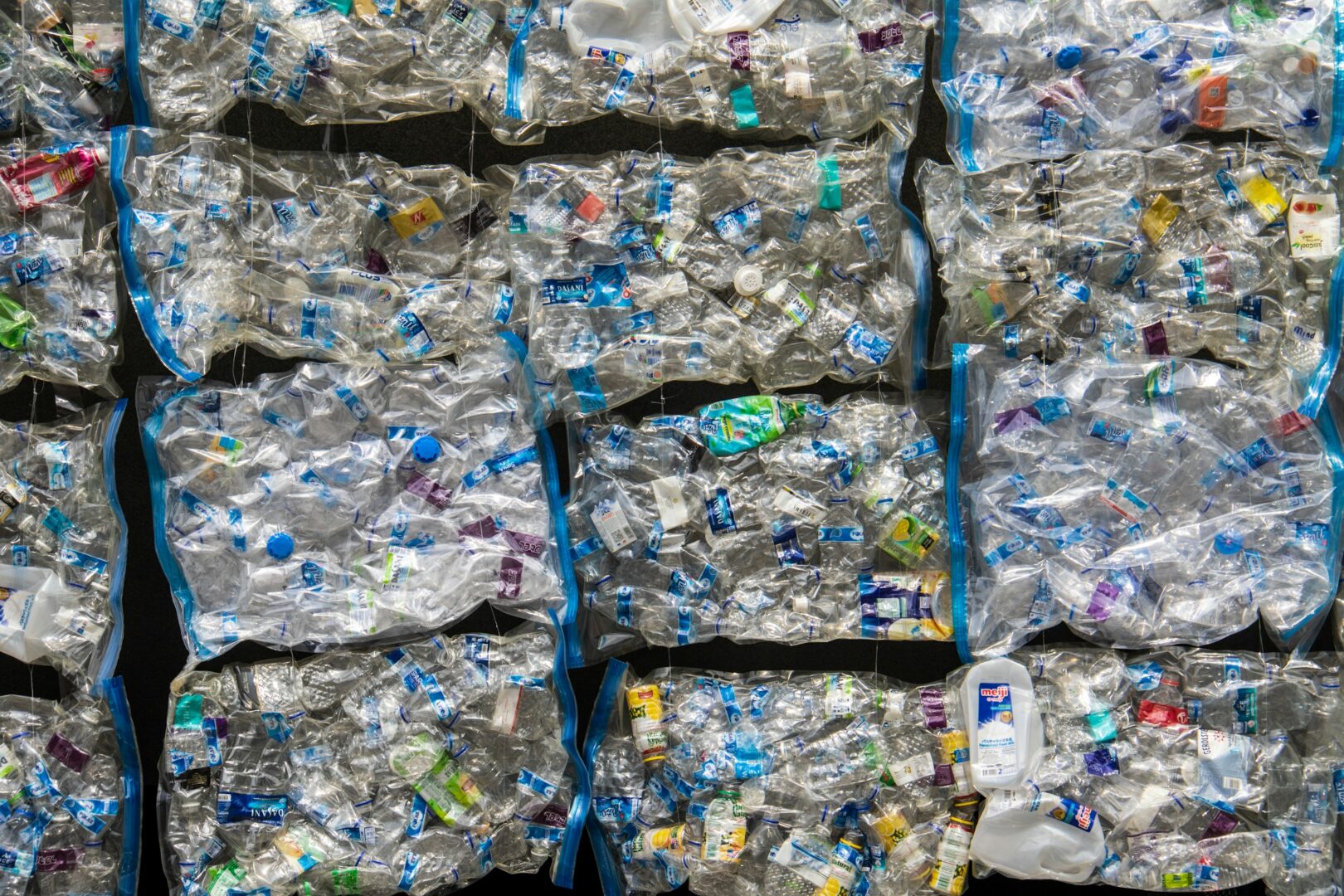
How can NZ food businesses navigate packaging tensions?
Consumers want less plastic, regulators want more compliance, and food still has to arrive safe and fresh. AUT’s Dr Michelle Chen offers four ways through.


Consumers want less plastic, regulators want more compliance, and food still has to arrive safe and fresh. AUT’s Dr Michelle Chen offers four ways through.

We’re told the economy and the environment are locked in a trade-off. Autex’s Jonathan Mountfort says that’s a false choice, and shows how circular thinking is already building a healthier version of both.
QU forecasting technology software and support can spur the process of waste reduction, promote efficient practices, and empower people with data, enabling them to act with confidence on their sustainability promises. There is growing concern at the degradation of our natural resources and the risks and uncertainties this presents to future generations of New Zealanders. Initiatives and partnerships are needed to make a difference in combating climate change and building a more sustainable future. Supply chain risks and opportunities need to be monitored and managed, as an essential element of the ongoing effort to protect NZ’s natural capital and resources. Business leaders, aware that sustainability transformation is underway globally, and knowing they need to think smarter about how they are using their

Sustainable and ethical business champion MOTIF has released a powerful research report on how to address New Zealand’s systemic housing crisis. How We Live – Creating Housing That Puts People and the Planet First was commissioned by the PIF Foundation, and represents a co-created response to concern for Aotearoa’s housing ecosystem after the COVID-19 crisis. The report was developed over the past 12 months in response to the unprecedented levels of concern about the state of our housing, says James Bushell, co-founder of MOTIF and the report’s co-author. “We’ve found that Aotearoa New Zealand’s housing crisis is less about buildings and more about the way we think about wealth, community, ourselves, our neighbours, the economy, the education system, and much more.

Many of New Zealand’s pioneering artificial intelligence experts will provide the latest news and outline new trends at the Aotearoa AI summit in Auckland on March 17. One of the key speakers is a founder of AI company Soul Machines, Greg Cross, who lives in New Zealand but creates businesses that compete on the international stage. Soul Machines is at the cutting edge of AI research and its unique Digital Brain, based on the latest neuroscience and developmental psychology research. Another speaker is Isuru Fernando who helps bring the best of Google Cloud to New Zealand. Before Google, he was at IBM where he established and grew the IBM Watson business. He is an advisor to the World Economic Forum

Stephen Walker explains why New Zealand businesses can no longer ignore packaging concerns. New Zealand is arguably a world leader when it comes to the environment. It has set an ambitious net-zero target for almost all greenhouse gas emissions by 2050 and has recently joined the ranks of countries who have declared a climate emergency (something our friends across the Tasman have yet to do). It’s no surprise then that environmental concerns are now affecting everyday retail, with Kiwis more concerned about plastic packaging than ever before. According to a recent Toluna survey, the growing concern for sustainability and eco-friendly packaging has resulted in a shift in consumer behaviour, with environmental concerns now driving many Kiwis’ purchasing decisions. Greener spending According

Businesses of all sizes are considering the impact their purchasing can have on the world around them. Is yours? Sourcing products and services to meet business needs might seem straightforward. But these days there’s more to it than just getting a good deal. Even buying standard office supplies involves potential risks and trade-offs. Price, quality, service and – yes – sustainability. Think office furniture containing rainforest trees, or coffee from plantations drenched in pesticides. Today most business people are aware of the environmental, social and economic challenges we face. And they are wondering what they can do to make a positive contribution. One of the main opportunities for this is through our purchasing power. Businesses can make purchasing choices that

In Part Two of a two-part series on New Zealand’s skyrocketing house prices, Ashley Balls offers explanations and potential strategies for addressing the issue. The rapid increase in New Zealand’s house prices has become such a problem that it distorts local debt markets and has become a classic debt-driven, speculative bubble. This is unusual, happening at a time when the overall economy is shrinking – as a result of Covid – and when illiquid investment prices would typically decline. Whilst New Zealand has fared far better than most in managing the Covid scourge, the economy for 2021 and 2022 is likely to be smaller than it was in 2019 – yet commentators are, perversely, still talking up further price rises.

Wednesday 11 November 2026 | 7:00am – 9:30am
📍 New Zealand International Convention Centre, 101 Hobson Street, Auckland
One week after the election, Ready to Rise returns for ‘After the Result’ to help Kiwi SME owners plan ahead for their next bold move, and hard-won growth. Get your tickets for this must-attend business breakfast.
The money’s out there, but getting it has rarely felt harder. Our October/November issue looks at who’s lending, what investors want and what rising rates mean for your next move. It also celebrates The David Awards 2026 winners, who backed themselves anyway.