
Foundation before walls
A business rarely fails because the walls were badly built. It fails below ground, where nobody looks.


A business rarely fails because the walls were badly built. It fails below ground, where nobody looks.

New Zealand’s largest e-waste recycler wins the 2degrees Supreme Business Excellence Award and Excellence in Sustainability at the 2degrees Auckland Business Awards Best of the Best.

Business confidence is up and hiring plans are firming. But price-conscious customers and rising borrowing costs mean the recovery won’t feel even.

The dollar is sitting near 55 US cents, and ASB doesn’t expect a rebound any time soon. That’s a windfall for some businesses and a long-running margin problem for others. But one export leader warns against counting on it.
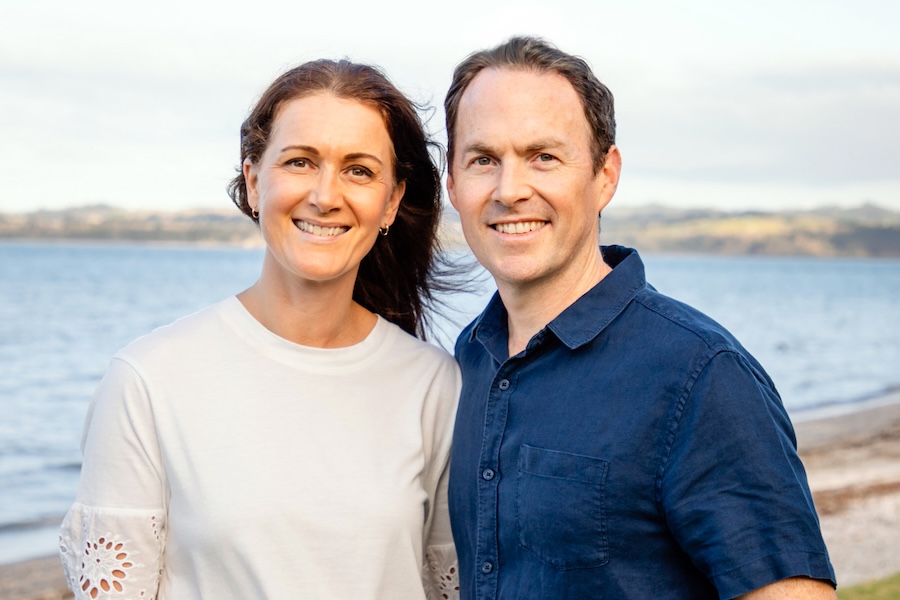
Earlier in his career, Nigel Wilson spent his time convincing the world to trust New Zealand dairy. Now he and his wife Jo are testing whether the same playbook works for a premium moisturiser, without the Fonterra budget.

Kate Gatfield-Jeffries spent two years selling only online. What she learned about her customers has since taken Moodi into 500 supermarkets and three countries, and still shapes every product it makes.

A wellness brand that started with protein powder now leads the country’s growth rankings, and the rest of the top ten shows where demand is heading.

An outdoor tap a toddler can’t leave running sounds like a weekend project. Three years, five tools, a crockpot and $150,000 later, HapiTap Founder Shelley Ebner knows better.
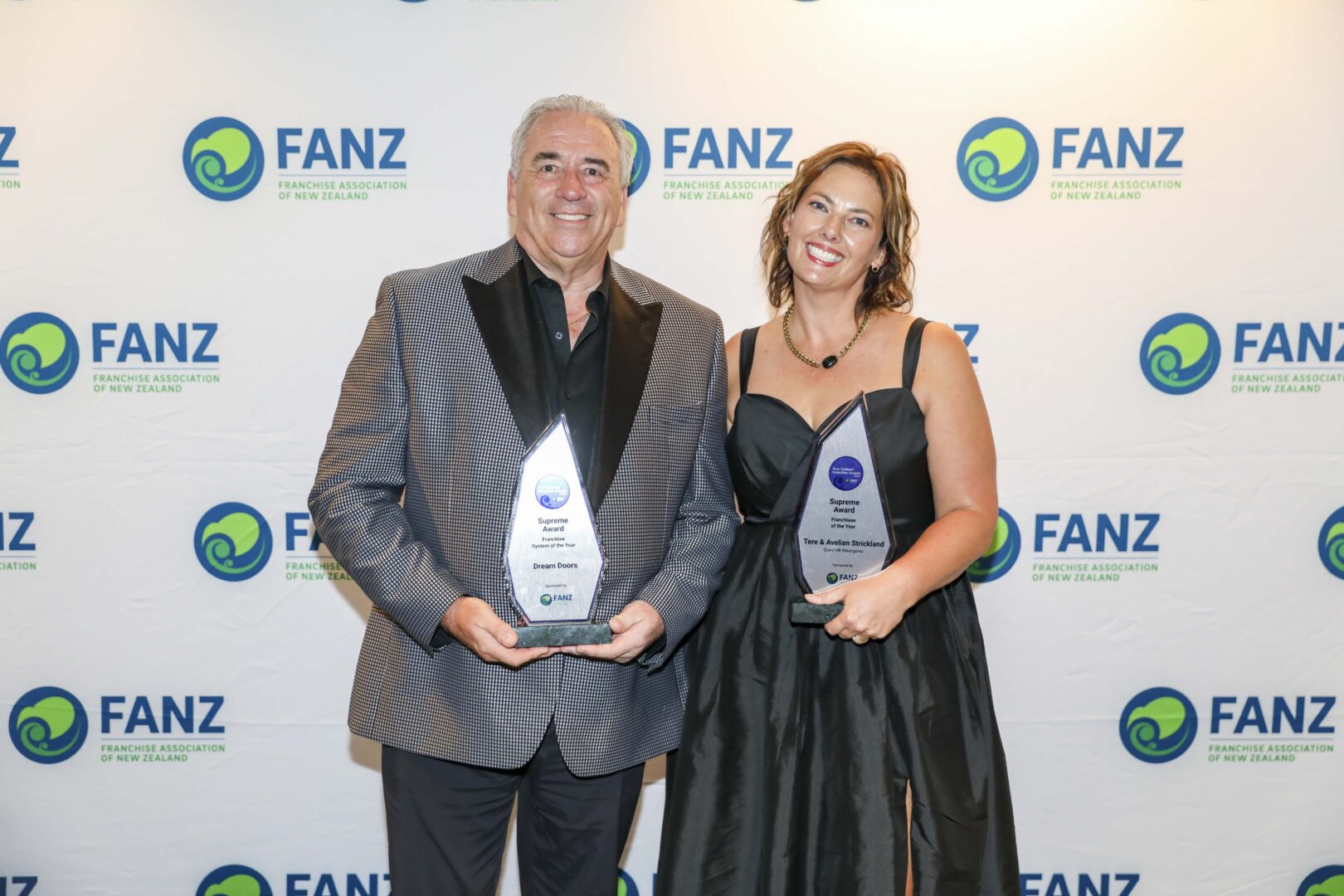
A 40-year-old kitchen renovator betting on AI and a three-year-old apartment hotel running close to full have topped this year’s New Zealand Franchise Awards. For owners feeling the squeeze, the winners’ list doubles as a look at what is working right now.
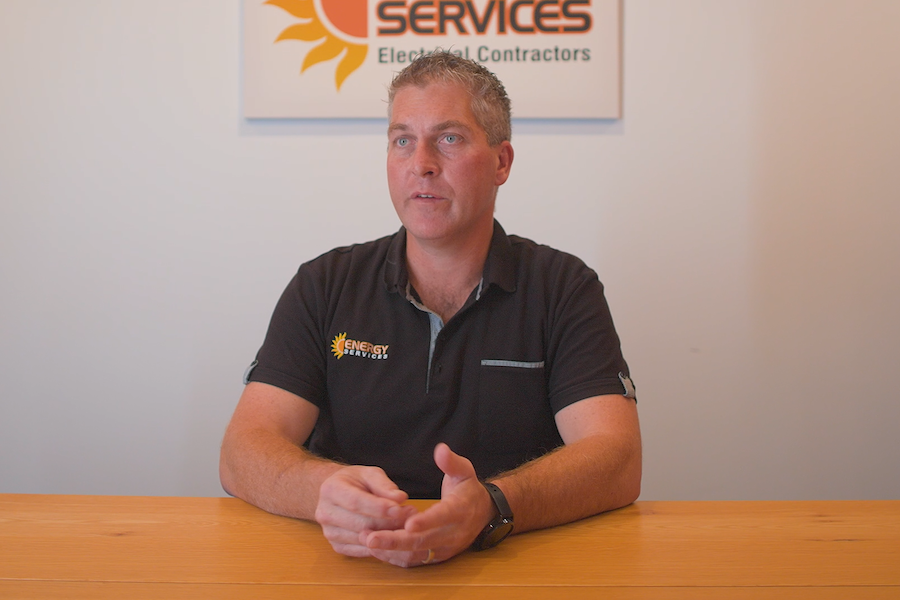
Ahead of International Men’s Day on 19 November, there is a call for a clearer pathway from learning a trade to owning a business, and for experienced owners to help build it.
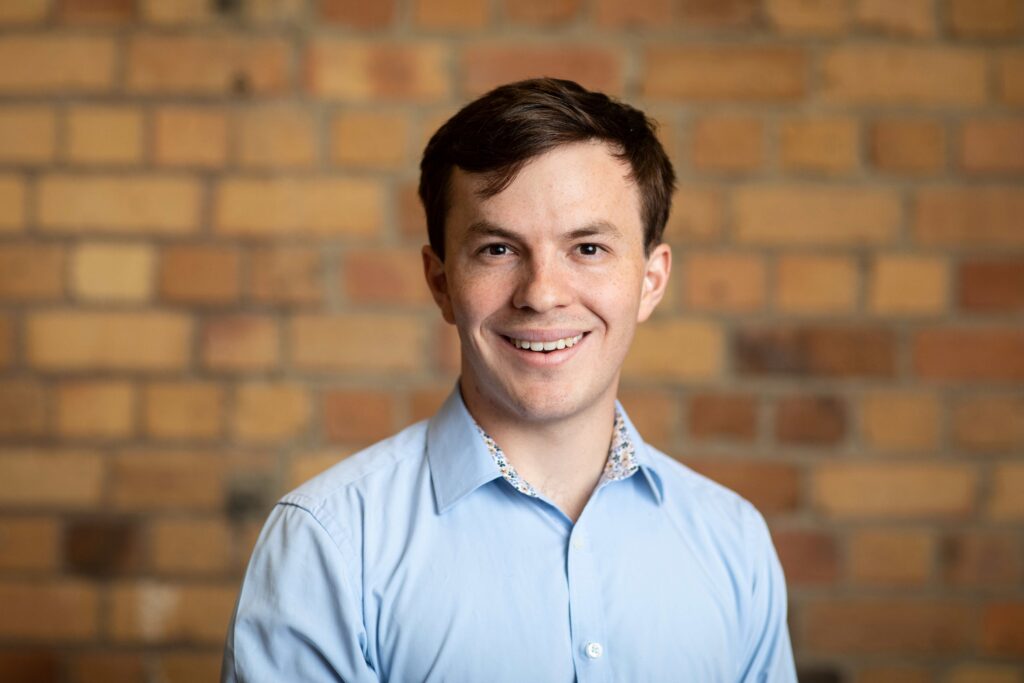
The Crimson Education Co-founder took the overall title at Shed 10 in Auckland, three years after winning the Young Entrepreneur award, and used his speech to remember a friend and credit the Kiwis who built the company with him.
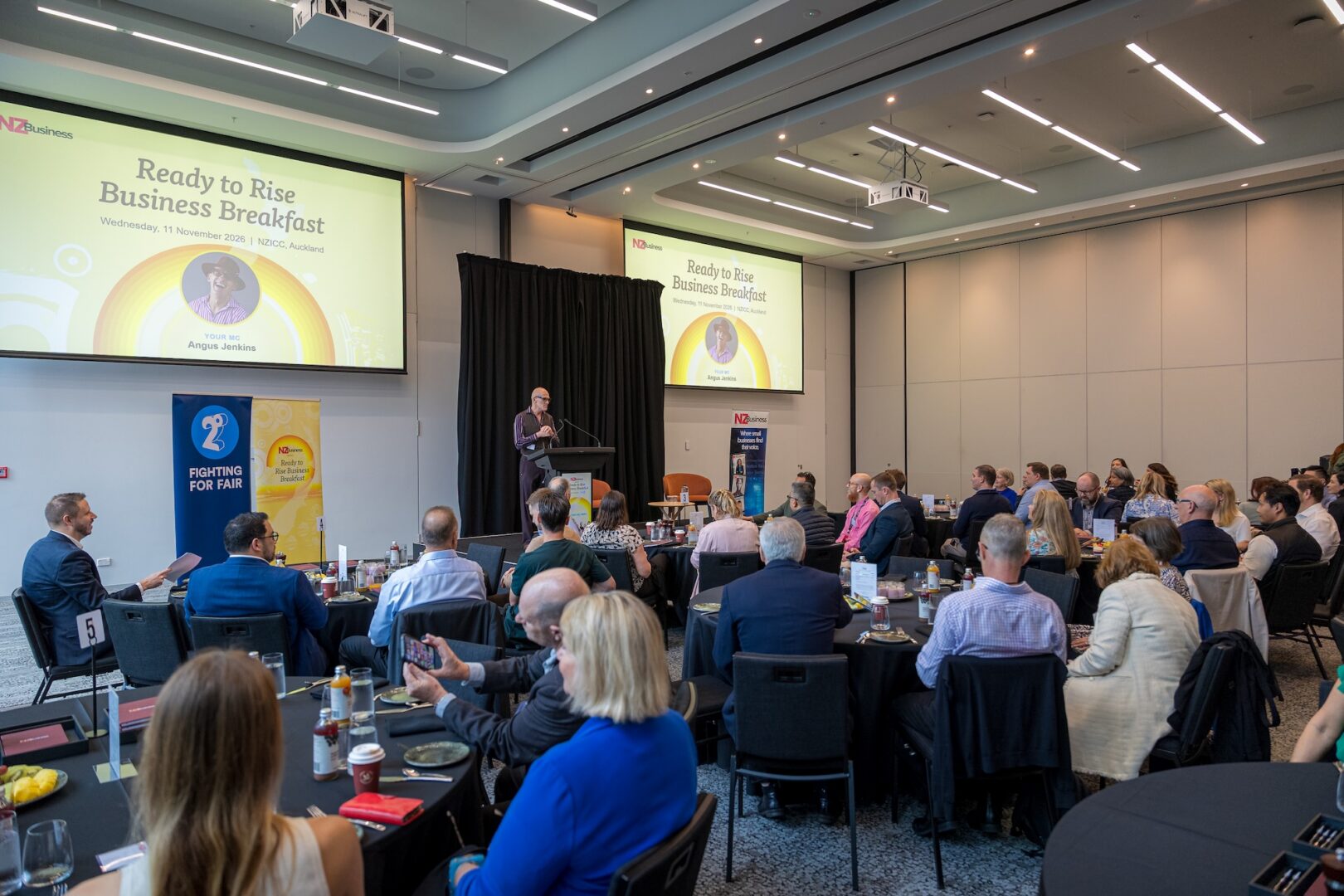
Two founders who took Kiwi brands global, and a panel of sharp minds, on how to keep moving when the ground keeps shifting. Here’s what stuck from Ready to Rise.

Core retail spending through the Paymark network fell 1.0 percent in October compared with a year earlier, with only groceries and petrol ahead of 2025. Ten of 17 regions went backwards.

BusinessNZ wants a stable government with a clear economic programme once special votes are counted. Pre-election research suggests the country’s smallest businesses will take some convincing that policy works for them.

Consumers want less plastic, regulators want more compliance, and food still has to arrive safe and fresh. AUT’s Dr Michelle Chen offers four ways through.

The scam most likely to cost your business this summer won’t look like a scam. It will look like a supplier you’ve paid for years asking you to update their bank details.

Evan Goldberg’s advice is the right place to start. For sales-led Kiwi businesses, the next step is proving what AI earns.

More small businesses are putting AI to work. Far fewer know what it tells their customers, and the experts don’t agree on where to start.

Ministry of Awesome wants 5,000 high-growth start-ups in New Zealand. Its new Christchurch hub is where it starts building them.

I went to Las Vegas for SuiteWorld and AI World expecting big bets on AI. Behind the bright lights, the smartest ones turned out to be the least flashy.
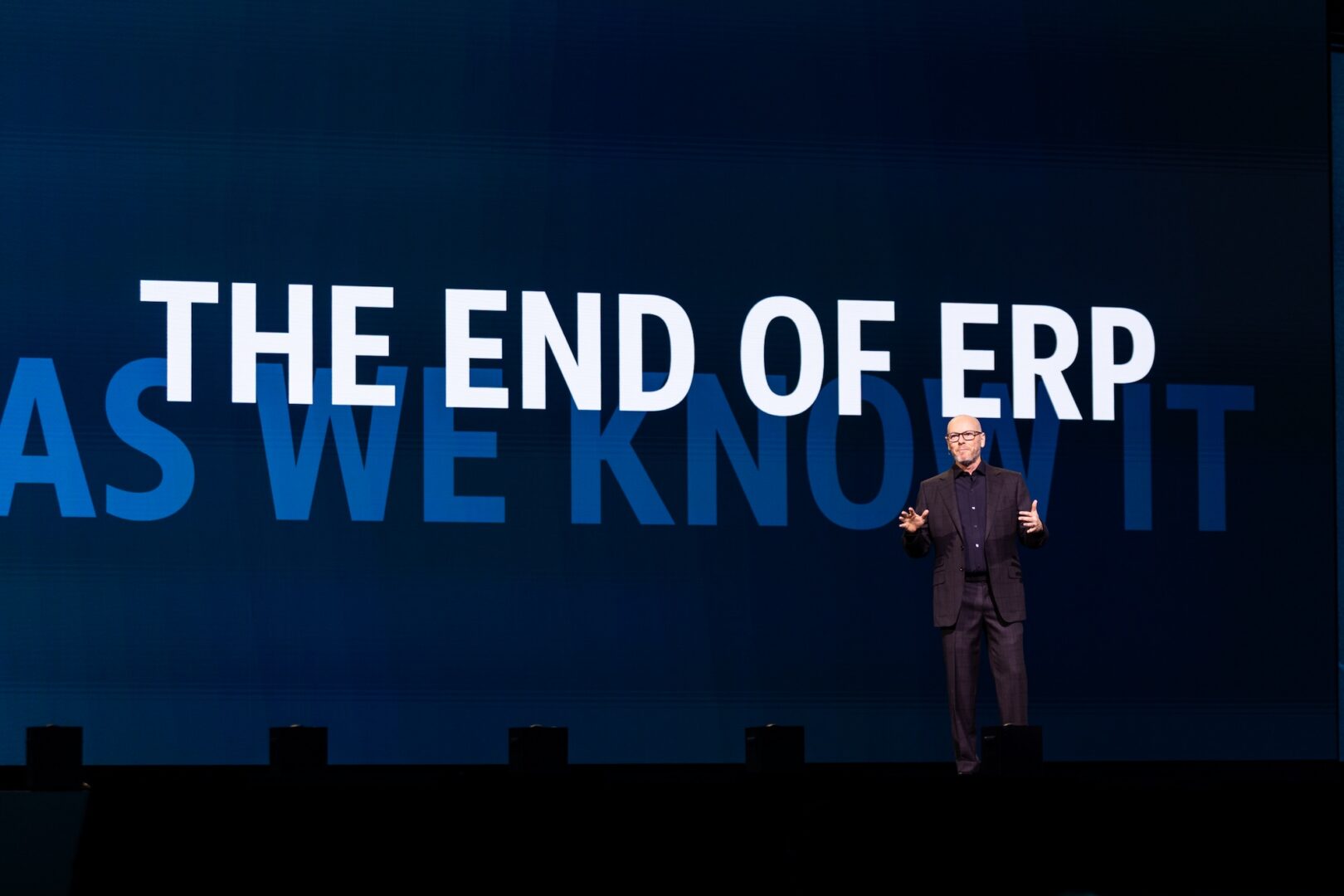
A year after its Las Vegas debut, NetSuite’s biggest update in almost three decades is reaching Kiwi businesses. The more interesting question is who it might reach next.

Equity-free funding, global mentors and a US$10,000 prize are on the table – but the deadline is closing fast.

Prime Minister Christopher Luxon has argued that artificial intelligence presents New Zealand with more opportunities than threats. However, coming into the election, business leaders aren’t on the same page.

With India’s market growing fast, a two-day Auckland summit next month asks what it takes for Kiwi businesses to get a foothold.

Every party now has a pitch for small business. So why do so many of the people who work for themselves feel like they’re talking to an empty room?

Looking for new suppliers? Sri Lanka Expo 2027 is bringing 750+ exporters and 2,000 international buyers together in Colombo this January.

Spare capacity sitting idle? It could be paying for your next marketing campaign while your cash stays where you need it.

The uncertainty isn’t going anywhere. ScotPac’s Lindsay Fisher says the businesses that grow are the ones that stop waiting for it to.

The small business sector appears to be sending one resounding message to whichever political parties form the next government. Stop with the flip-flopping. It’s stability and consistency that is important for business.
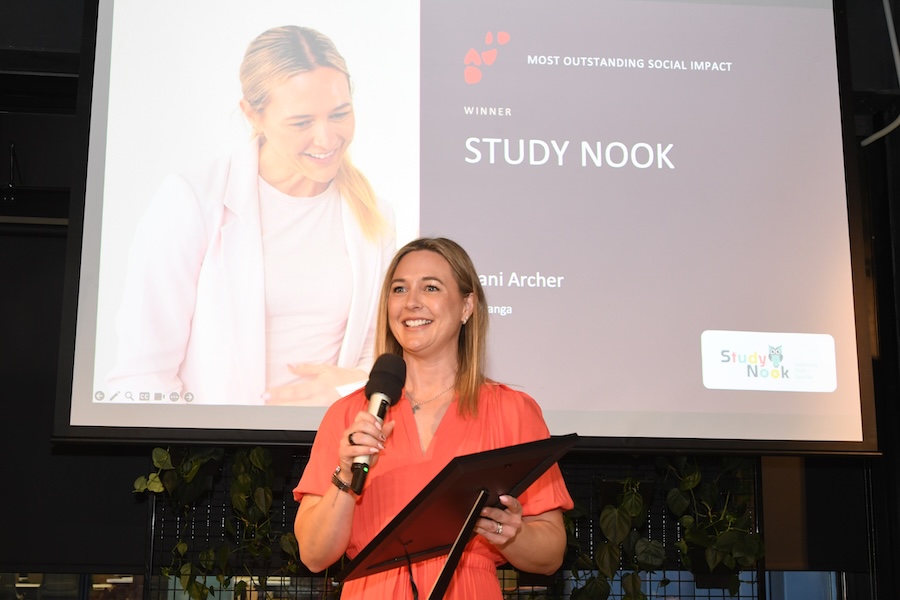
In under two years, Dani Archer went from no clients to eight schools. Now the Tauranga sole trader has taken out the top prize at The David Awards 2026.

Richard Little is an inventor making traction in the treatment of chronic pain and other neurological conditions without the use of pharmaceuticals. Here he shares his lessons and advice for health tech entrepreneurs. Entrepreneurship is not a career path known for stable and steady progression. From crying in the Koru Lounge to pioneering the largest clinical trial of its kind, Richard Little’s career has seen massive breakthroughs and steep learning curves. He walks in two worlds every day – the world of neuroscience, engineering, prototypes, and then the world of an entrepreneur hustling to secure financial backing. He has a unique perspective as a pragmatic inventor who has decades of experience in business. Richard sat down with NZBusiness to share

Bill Bennett reviews six of the newer technologies impacting on the post-pandemic business world, and answers the question: how relevant are they to your business? Digital tools didn’t have all the answers, but when the Covid pandemic first arrived technology adoption leapt forward five years in a matter of months. Overnight, businesses that had never even tried video conferencing suddenly depended on it. Retailers who had previously been slow to move online, opened web-based stores in a matter of weeks. New ways of working, trading and conducting business have settled in. Your customers and clients now have changed needs and a fresh set of expectations. The underlying technology you need to run a business is the same as it was

Restoring our waterways and landscapes must be a business imperative and it’s time to get involved, writes Andy Kenworthy. Knowing when to invest is a key skill in business. People, equipment and facilities can all get run down. Taking timely action avoids reduced performance or even breakdowns. Unfortunately, the fabric of Aotearoa New Zealand has been getting run down for some time now. It’s time to act. The transformation of these islands into this nation has come at great cost. Three quarters of the indigenous forest has been cut down. More than 90 percent of the wetlands in this country have been drained and destroyed. Today, around 4,000 species are at risk and more than three quarters of our freshwater

Succession is arguably the most satisfying process for extracting monetary value from years of hard work in your business, but the key is to do it right.

Kiwi business TradeWindow has ambitions to digitalise the world’s supply chains with its efficiency-boosting blockchain technology. At a recent media breakfast held at TradeWindow’s Takapuna head office it was appropriate to have a backdrop of container ships steaming through the Rangitoto Channel, as founder and CEO AJ Smith (pictured below) spoke about his company’s digital technology and forward plans. AJ was joined by trade commentator Stephen Jacobi and TradeWindow client Leigh-Anne Furby of ANZCO Foods for a presentation on the role digital trade now plays in how supply chains adapt to the current international trade environment. In just four years TradeWindow has made major progress on the building and adoption of its signature platform Cube and software acquisition Prodoc –

EasyBuild is a Hutt Valley business helping transform New Zealand’s residential building industry. NZBusiness sat down with CEO Scott Matthews to determine their competitive advantage. NZB: Why does it make sense to buy a modular house? Scott: Most of us dream of home ownership, in fact most people would argue that it’s a human right. We have all been raised in an environment where you commonly design your own home, and every home is different. The building industry advertise this all the time, but then customers wonder why the house is often poorly insulated, expensive and requires lots of heating. This is very different to many parts of the world where people by a house off plan and it is

Wednesday 11 November 2026 | 7:00am – 9:30am
📍 New Zealand International Convention Centre, 101 Hobson Street, Auckland
One week after the election, Ready to Rise returns for ‘After the Result’ to help Kiwi SME owners plan ahead for their next bold move, and hard-won growth. Get your tickets for this must-attend business breakfast.

The money’s out there, but getting it has rarely felt harder. Our October/November issue looks at who’s lending, what investors want and what rising rates mean for your next move. It also celebrates The David Awards 2026 winners, who backed themselves anyway.